Worth Being Seen with Stephanie Bordas of Brooklyn Boudoir
A woman does not have to arrive at Stephanie Bordas’s studio feeling confident. She can be nervous, second-guessing her decision, or carrying a mental list of everything she wishes looked different. Stephanie expects those feelings. What she does not expect is for her client to resolve them before stepping in front of the camera.
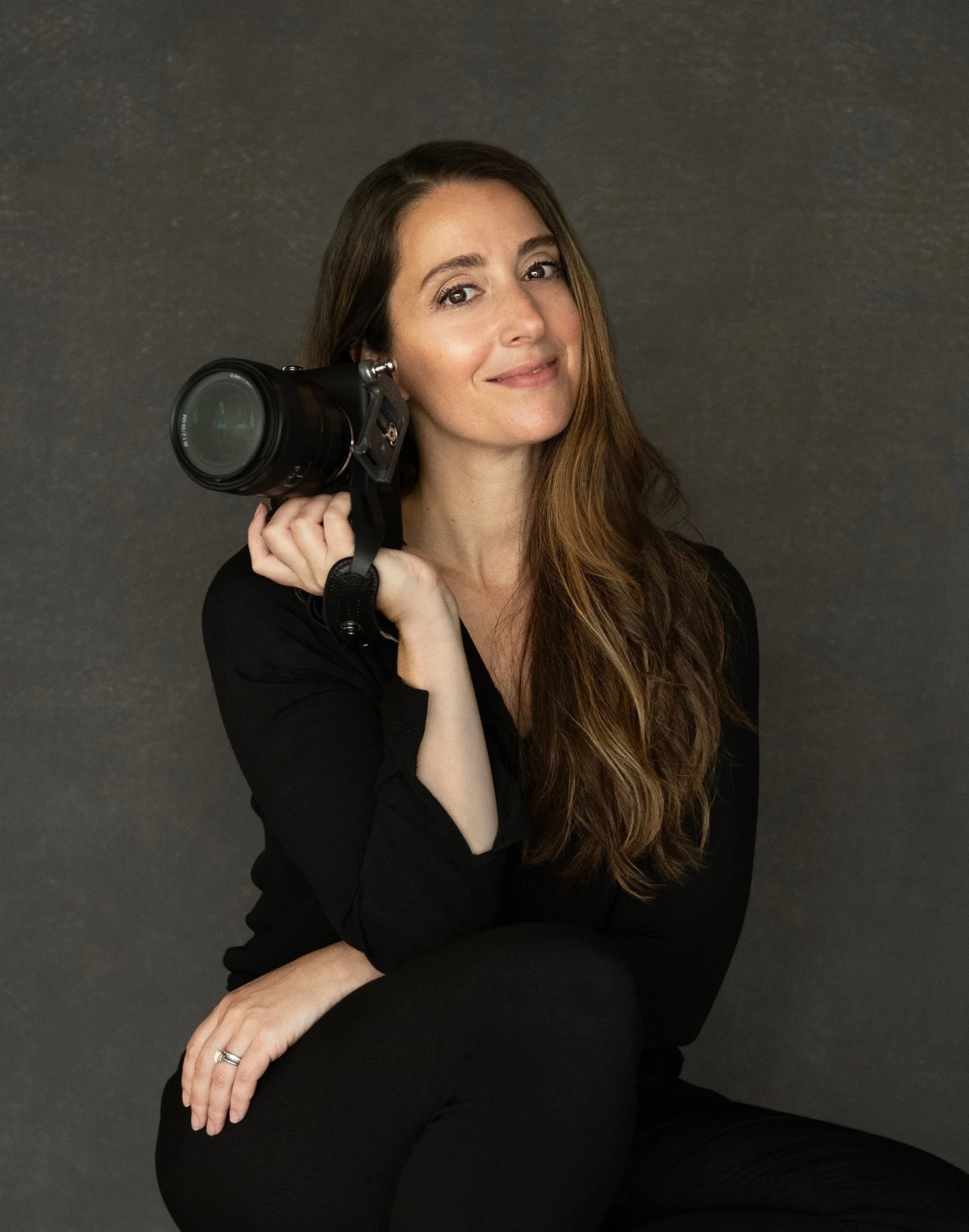
“It's not your job to not be nervous. Your job is just to show up,” she tells clients. “It's MY job to help you feel comfortable and get you to the place where you feel like your best self.”
That understanding sits at the center of Brooklyn Boudoir. For Stephanie, a thoughtful session begins with getting to know the woman who booked it: her taste, her boundaries, her reasons for coming, and the way she wants to see herself. The photographs grow from that relationship, with room for nerves, individual preferences, and the possibility of discovering something unexpected.
Finding Her Own Way Into Boudoir
Stephanie always wanted to be a photographer, but she initially struggled to imagine a career that suited her interests. Weddings and babies seemed to be the available paths, and neither appealed to her. Photography remained a hobby while she took classes, practiced with friends, and photographed herself.
“Looking back, all of that work had a very boudoir lean to it,” she says. “I just didn't have the word ‘boudoir’ in my vocabulary yet.”
A friend eventually introduced her to the genre by sharing her own experience of a boudoir session. Intrigued, Stephanie booked the same photographer without researching further. The booking came through Groupon, a detail she offers with a sense of humor about the era.
The experience was professional, but the aesthetic did not feel like her. She describes it as more old-fashioned and fantasy-oriented than what she would have chosen, and the process lacked the personal connection she wanted. She recognizes that the photographer had an established business model and that she herself had arrived without exploring whether it was a good fit.
Still, the session gave her a direction.
“But I walked out thinking, this is a genre I can get behind,” she recalls. “Working with women and helping them feel beautiful in their own skin? Yes.”
She could see an opportunity to create the kind of experience she had wanted herself.
“A little more personal, a little cooler, a little more modern, a little more New York,” she says. “That's how Brooklyn Boudoir came to life.”
Making Room for Nerves
Having been the client herself, Stephanie understands how unfamiliar a boudoir session can feel. Many women have little experience being professionally photographed, particularly in lingerie. Some arrive after a difficult morning. Others begin questioning the entire idea as their appointment approaches.
Her response is to make room for that uncertainty while taking responsibility for guiding the experience.
Clients often share concerns about their appearance: a blemish, bloating, or not having made it to the gym as often as they intended. Stephanie gives them an opportunity to explain what feels uncomfortable because she wants them to know she is listening. Then she helps move their attention toward the session itself.
“I want every woman to know that exactly as she is right now, she is worthy of being photographed, zits and all.”
She also sets one clear expectation once photographing begins: no negative self-talk on set. That does not mean she assumes insecurity has disappeared. She remains attentive to what a client has shared and celebrates the things the woman already likes about herself.
Sometimes, she deliberately works to create a photograph of the very feature a client feels uneasy about. Her hope is modest and specific: an image might give that woman another way to look at something she has spent years criticizing.
“I don't think a photoshoot with me is going to solve a long standing insecurity overnight,” she explains. But a photograph a client loves may help her approach that part of herself with greater kindness.
Stephanie often sees the atmosphere shift as a session progresses. With direction, trust, and a break from criticizing themselves, clients begin to settle into the experience.
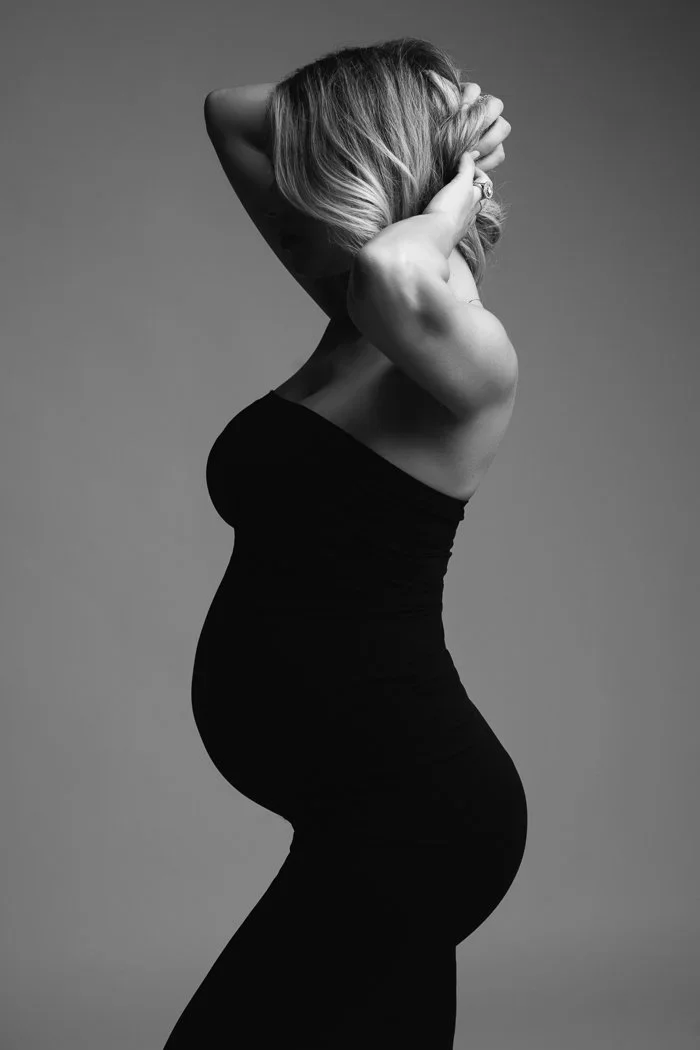
“Setting your worries aside while knowing they're being cared for is the best thing a photographer can offer.”
Getting to Know the Woman Before the Session
The personal attention Stephanie missed in her first boudoir experience now shapes her own preparation. Before a client arrives, she sends a questionnaire and a small homework assignment. The questions invite women to describe themselves, imagine their ideal session, and share both what they love and what makes them feel insecure.
Writing gives clients space to answer questions they might find harder to discuss aloud.
She also asks for a mood board. Words such as “classy” can suggest entirely different photographs to different people, so visual references help her understand each woman’s preferences. An optional Zoom conversation offers clients the opportunity to meet her before the appointment; Stephanie emphasizes that it is neither required nor a sales call.
By the day of the session, she has reviewed the client’s reasons for booking, visual references, insecurities, and preferences, including music and food. They sit down together to discuss wardrobe and revisit the mood board. Conversation continues through the 60 to 90 minutes of hair and makeup while Stephanie develops the shot list and builds familiarity.
“I really believe every portrait is about the relationship between the photographer and the subject, much more than the subject alone.”
For her, that relationship helps explain why two photographers can photograph the same woman in the same setting with identical camera settings and produce very different results. The connection influences what the subject feels able to express.
Listening also means observing. A client may not say she needs a break or feels uncomfortable, but her body language can offer that information. Some women benefit from movement and a faster pace. Others need Stephanie to slow her speech and the session itself.
Her approach changes with the person in front of her.
Boundaries Before the Camera
Stephanie believes conversations about boundaries belong early in the process, before a woman is standing in lingerie or preparing for a fine art nude.
“Nobody wants to be surprised in the middle of a shoot.”
That preparation includes discussing what a client is comfortable showing, as well as touch and proximity. If Stephanie may need to step closer or adjust something, she explains that beforehand. Both photographer and client need to understand the boundaries within which they will work.
Creative collaboration also happens during planning. Stephanie wants clients involved in defining the session, then able to relax while she directs it. She develops an order, knows what they are working toward, and takes responsibility for the practical decisions.
There is still room for an idea that emerges in the moment. If a client wants to try something, they can explore it. But Stephanie does not want a woman to feel responsible for inventing the session while also being photographed.
“Know what she wants before she arrives, and make the plan,” she says. “That way she gets to just be the client.”
The preparation gives women space to enjoy hair and makeup, receive guidance, and settle into the experience with someone who already understands what they hope to create.
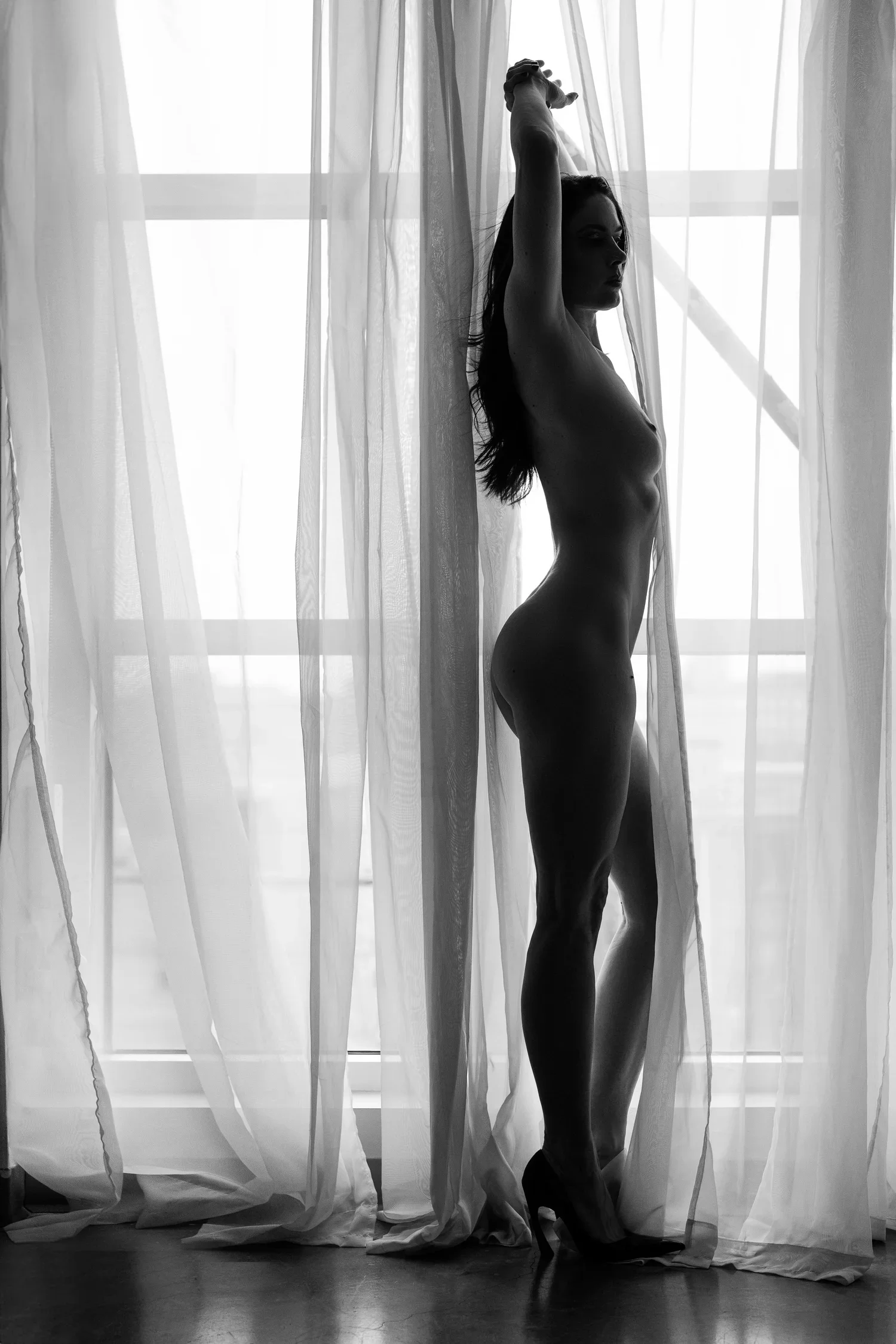
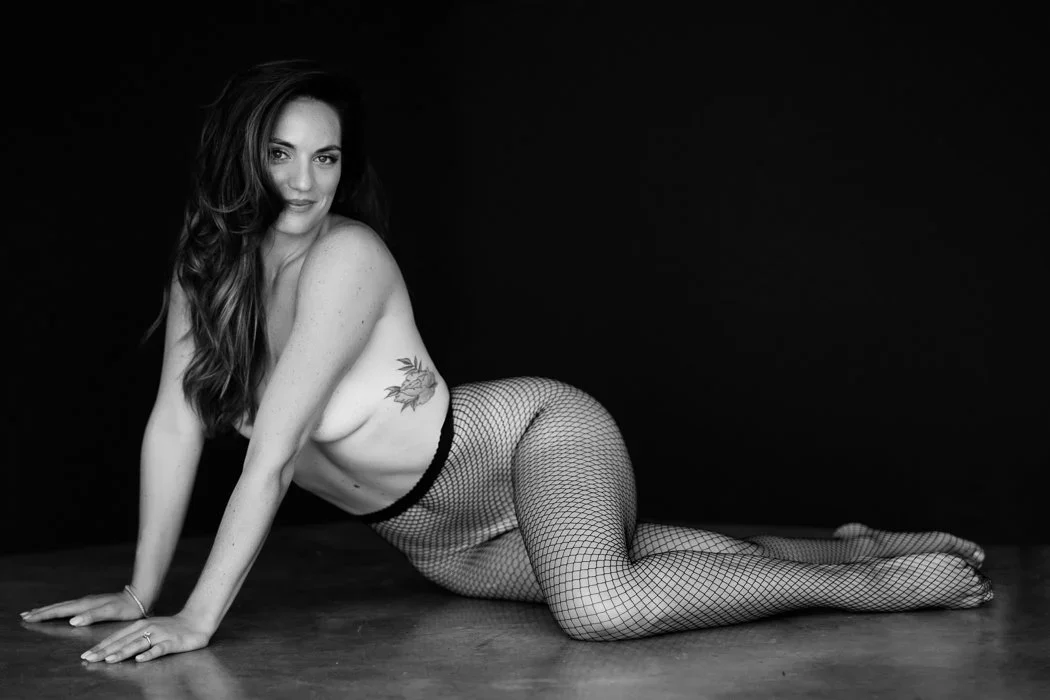
What Empowerment Requires
Stephanie is candid about a word frequently attached to boudoir: empowerment.
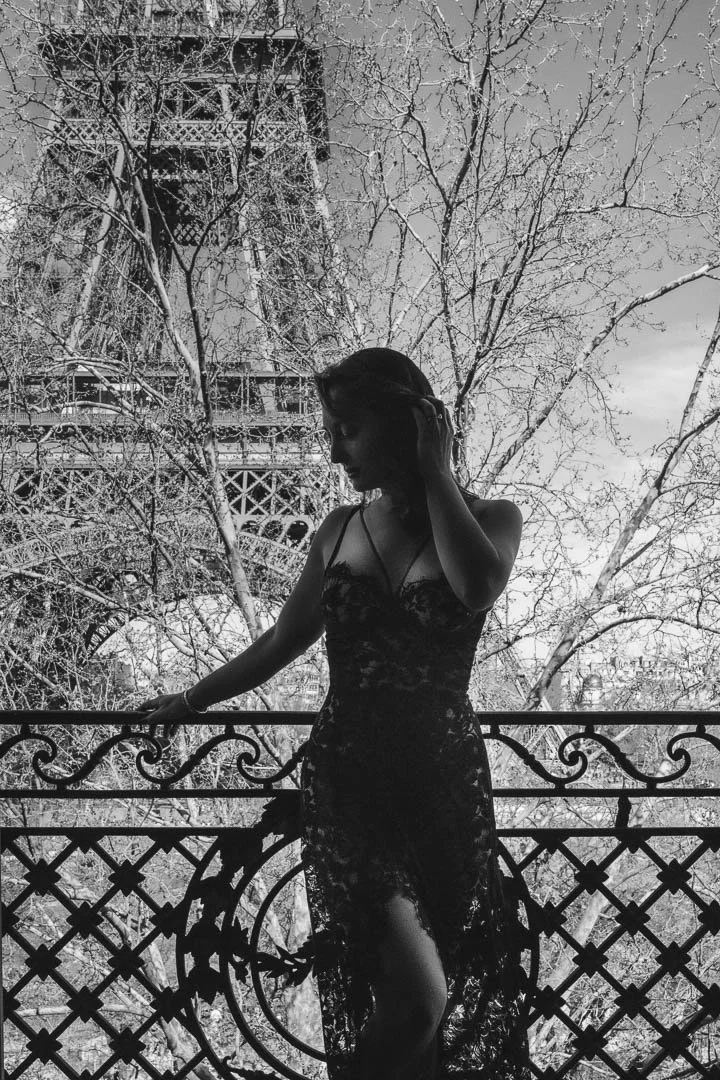
“Being photographed in your underwear is not automatically empowering.”
A session may feel empowering, she explains, but that depends on the experience. A woman who feels pushed into someone else’s vision, performs a version of herself to please another person, or does something she does not want to do may leave without that feeling.
“She has to feel seen. That's the key.”
Stephanie also believes photographers should be honest about their intentions. Creating attractive photographs is a valid goal, and every session does not have to carry a promise of personal transformation. But when a photographer does want to help a woman feel more powerful, listening becomes essential.
That requires understanding her idea of beauty and allowing her preferences to influence the work while maintaining the photographer’s style.
“If a woman is photographed in a way where she doesn't recognize herself, she is not going to feel empowered.”
For Stephanie, the woman’s ability to recognize herself in the finished images matters deeply.
The Sessions That Stayed With Her
As her business developed, Stephanie began to understand the range of reasons women sought her out. Some wanted an enjoyable experience. Others were navigating divorce, struggling to feel like themselves, or preparing for a significant change to their bodies.
One session made the importance of that work particularly clear: photographing a 28-year-old woman who was about to undergo a double mastectomy.
“She had a really good attitude about it, but I walked away understanding how much it matters to memorialize your body as it is in this moment, whatever thoughts and insecurities you have about it.”
The experience prompted Stephanie to reflect on how easily people criticize their bodies until circumstances change their relationship with them. Photographing that client brought a deeper awareness of the value of preserving a body at a particular moment in someone’s life.
Another memorable session began with a very different wish. A woman traveled from out of town hoping to be photographed in a sheer, sparkling jumpsuit inspired by Britney Spears’s “Toxic” video. Stephanie worked to locate the outfit. After hair and makeup, the client cried upon seeing herself, telling Stephanie she had never seen herself look so beautiful.
Then the jumpsuit did not quite fit.
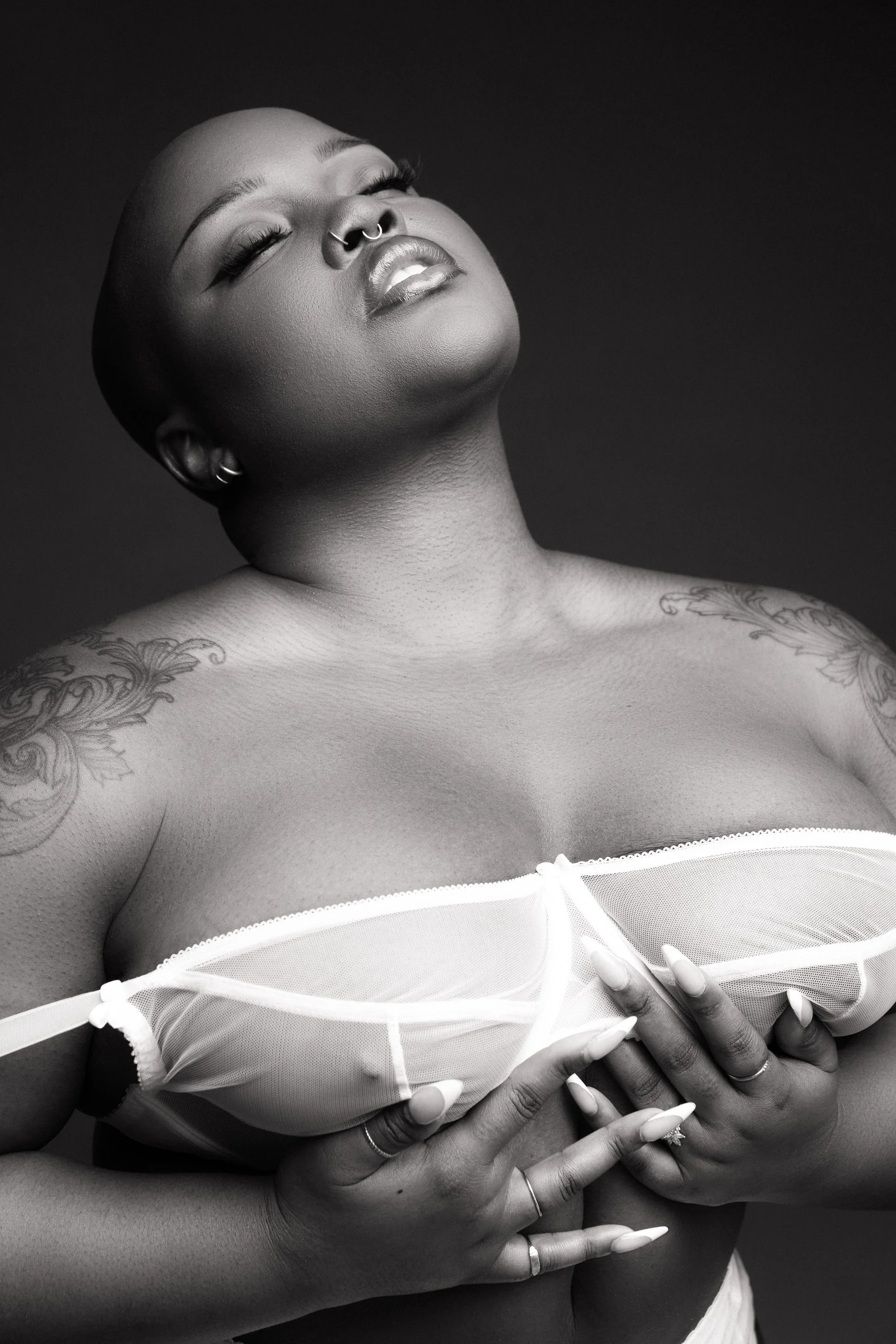
The woman emerged from the changing area disappointed, but Stephanie encouraged her and found a way to photograph the look without revealing the open zipper in the back. The session could still become what the client had imagined.
“She clearly felt like the best version of herself, at a moment when she really needed it,” Stephanie says. “Moments like that are what make this job worth it.”
Building a Business She Believes In
Stephanie’s attention to the client experience extends into how she runs her business. She encourages photographers to question the idea that there is one correct way to operate.
“When you run your own business, you have to focus on what's right for you and filter out the noise of what everyone else is doing.”
For her, that includes protecting creative satisfaction and choosing practices she can stand behind. Constant comparison and following trends can leave photographers less satisfied with their work while making the resulting images feel increasingly similar.
Her approach to image presentation reflects that independence. Rather than showing unfinished photographs and editing only those a client purchases, Stephanie completes every image she presents. Clients return for an in-person reveal a few weeks after the session.
She considers color grading, creative cropping, and black-and-white conversion part of creating the finished artwork. She wants a client to respond to the photograph as it will actually look, without having to imagine its potential.
The process means investing time and money in images that may never be purchased. Stephanie recognizes that tradeoff, but the care feels right to her. She believes it contributes to the service that brings women back.
Seeing Yourself With Kinder Eyes
For photographers hoping to offer a more supportive experience, Stephanie’s first recommendation is to step in front of the camera themselves. Self-portraiture or a session with another photographer can provide a useful understanding of what clients experience.
She also encourages them to slow down, listen, and remember that ideas of beauty and sensuality vary.
“See your client as the individual she is.”
For women considering a session, her message returns to the question of readiness. She hears from women who believe they must lose weight, gain weight, or change something before they deserve to be photographed. At 47, Stephanie has come to recognize how easily that anticipated moment moves further away.
“The goalpost keeps moving, so it's always just a little out of reach.”
She thinks of the familiar experience of looking at an older photograph and wishing she had appreciated herself more at the time. A session offers an opportunity to preserve the person who exists today, before another set of expectations takes her place.
“You deserve to be seen as you are today. And in five years, and five years after that. You are always worth being seen.”
That is the invitation Stephanie extends through Brooklyn Boudoir: arrive with the nerves, preferences, uncertainties, and hopes that are already yours. Let someone get to know you. Give yourself the opportunity to be photographed at this moment in your life.
“It’s a gift to your loved ones, and most importantly, a gift to yourself.”
Connect with Stephanie
Photography: www.brooklynboudoir.com
Education: www.stephaniebordas.com
Instagram: @brooklynboudoir