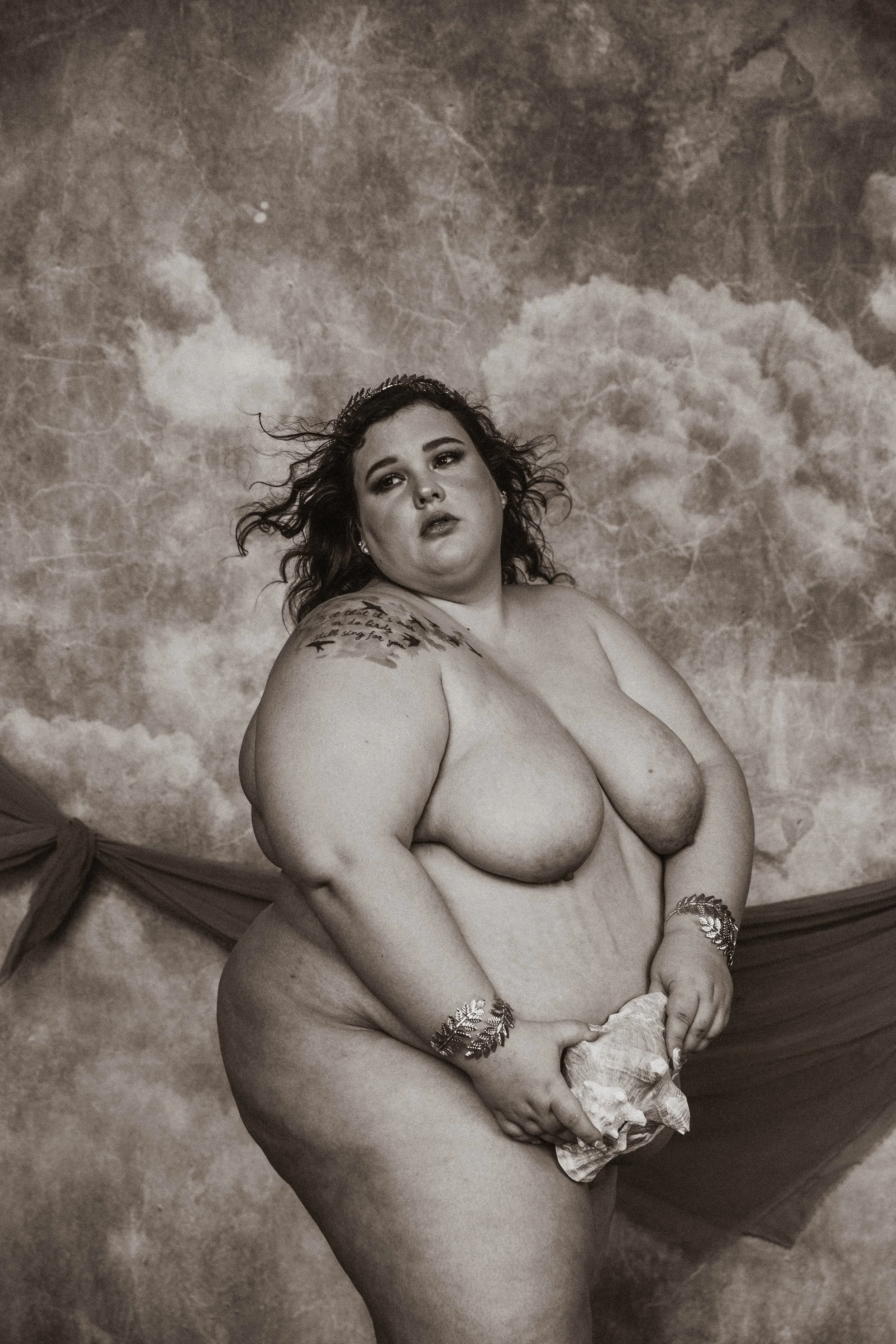
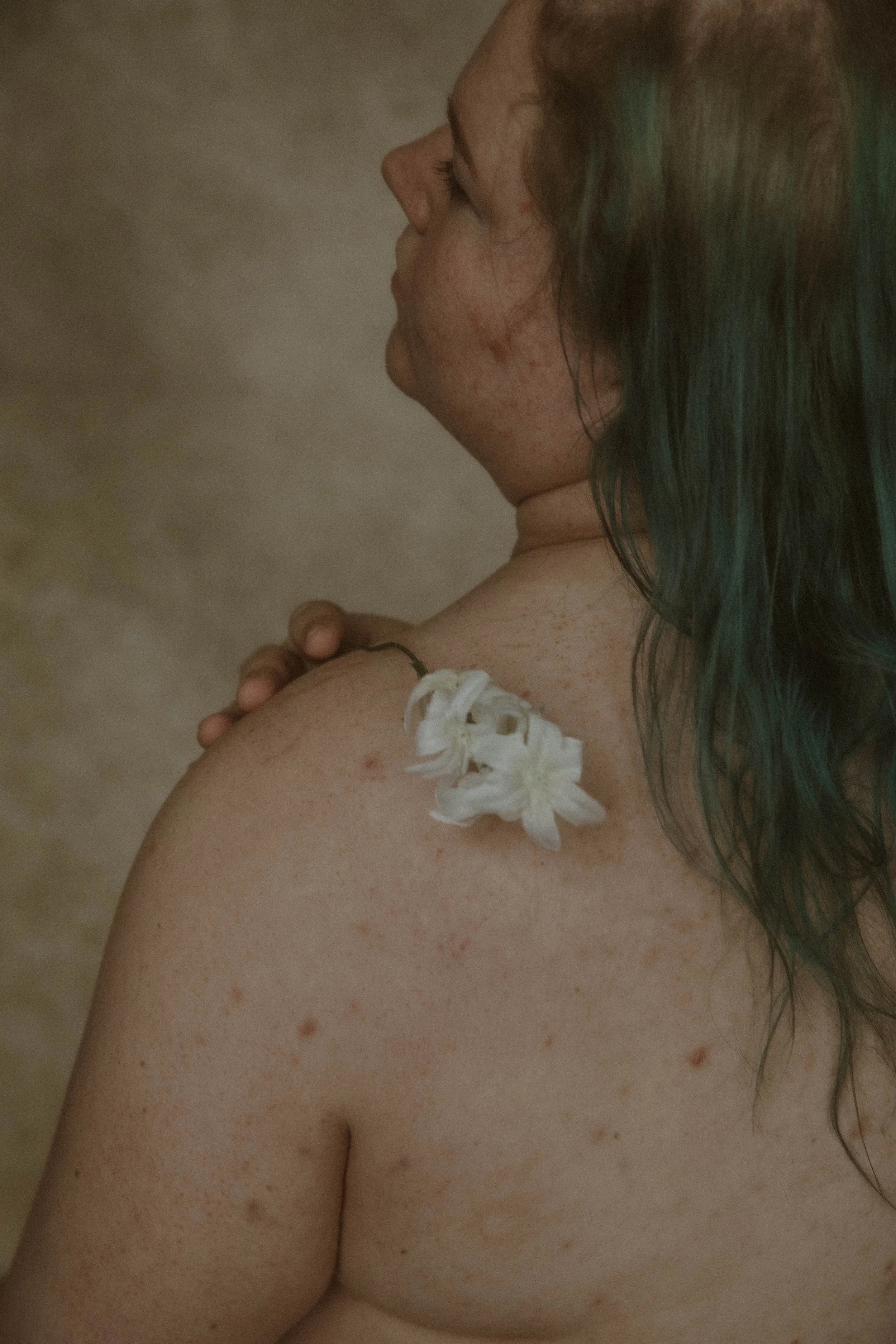
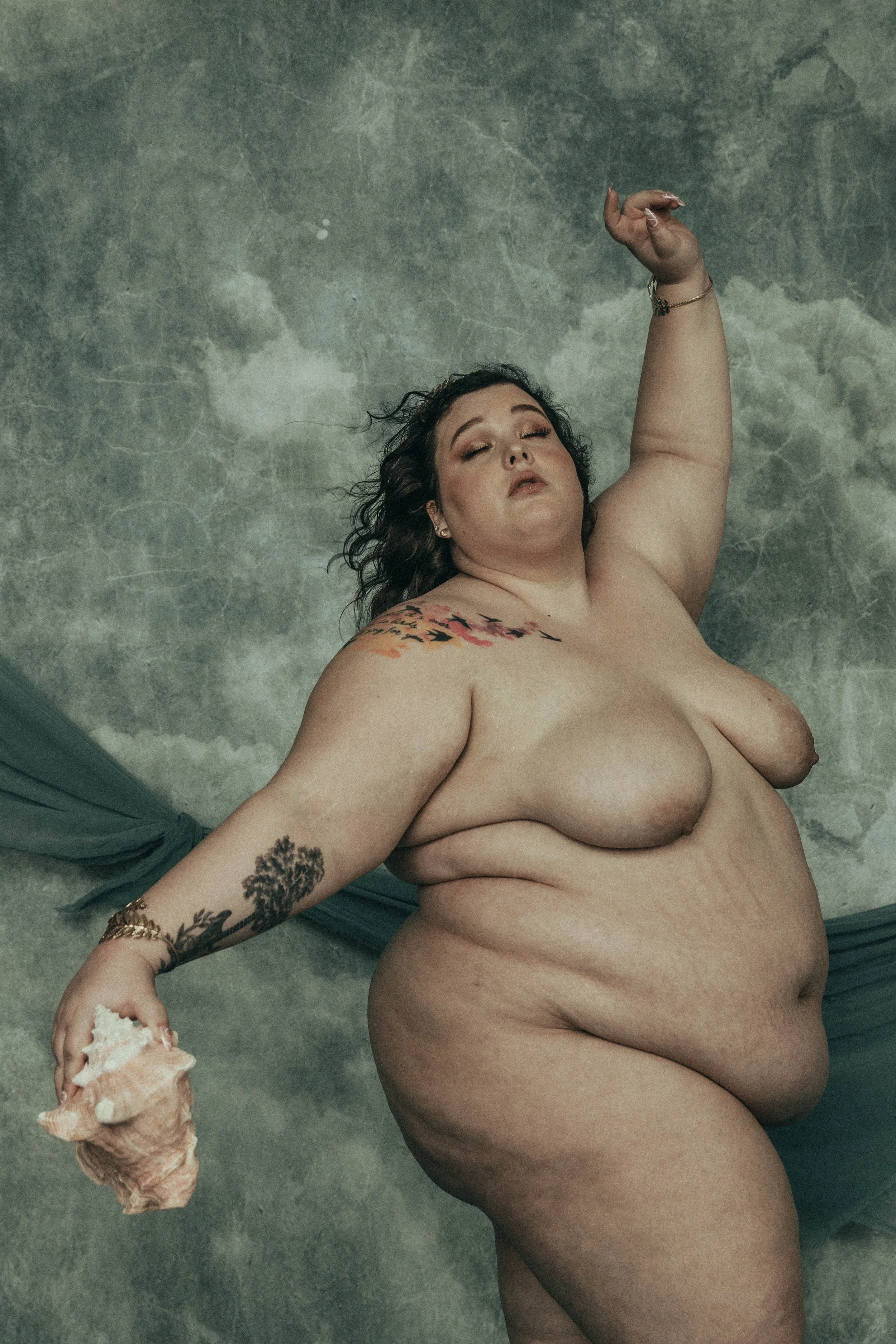
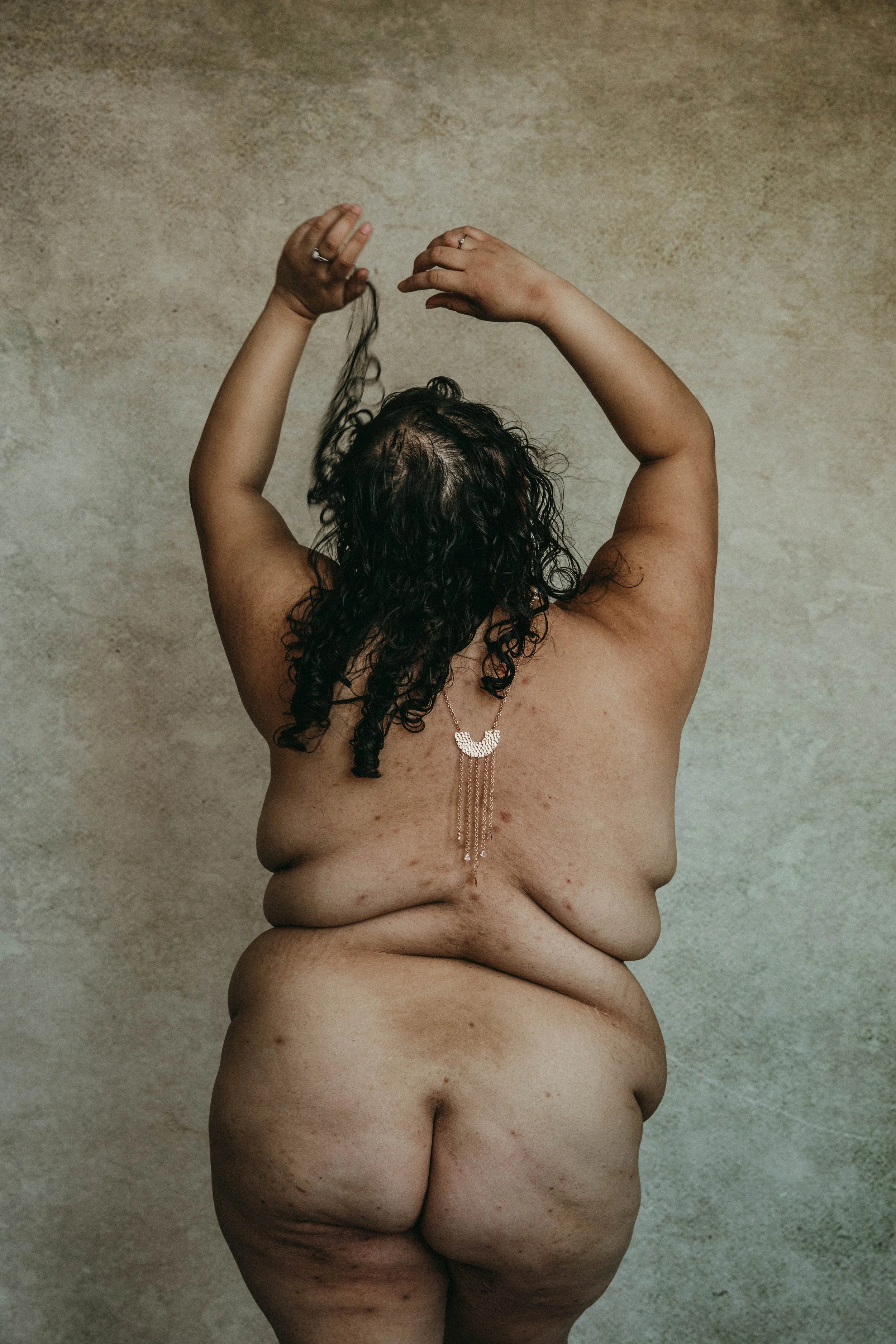
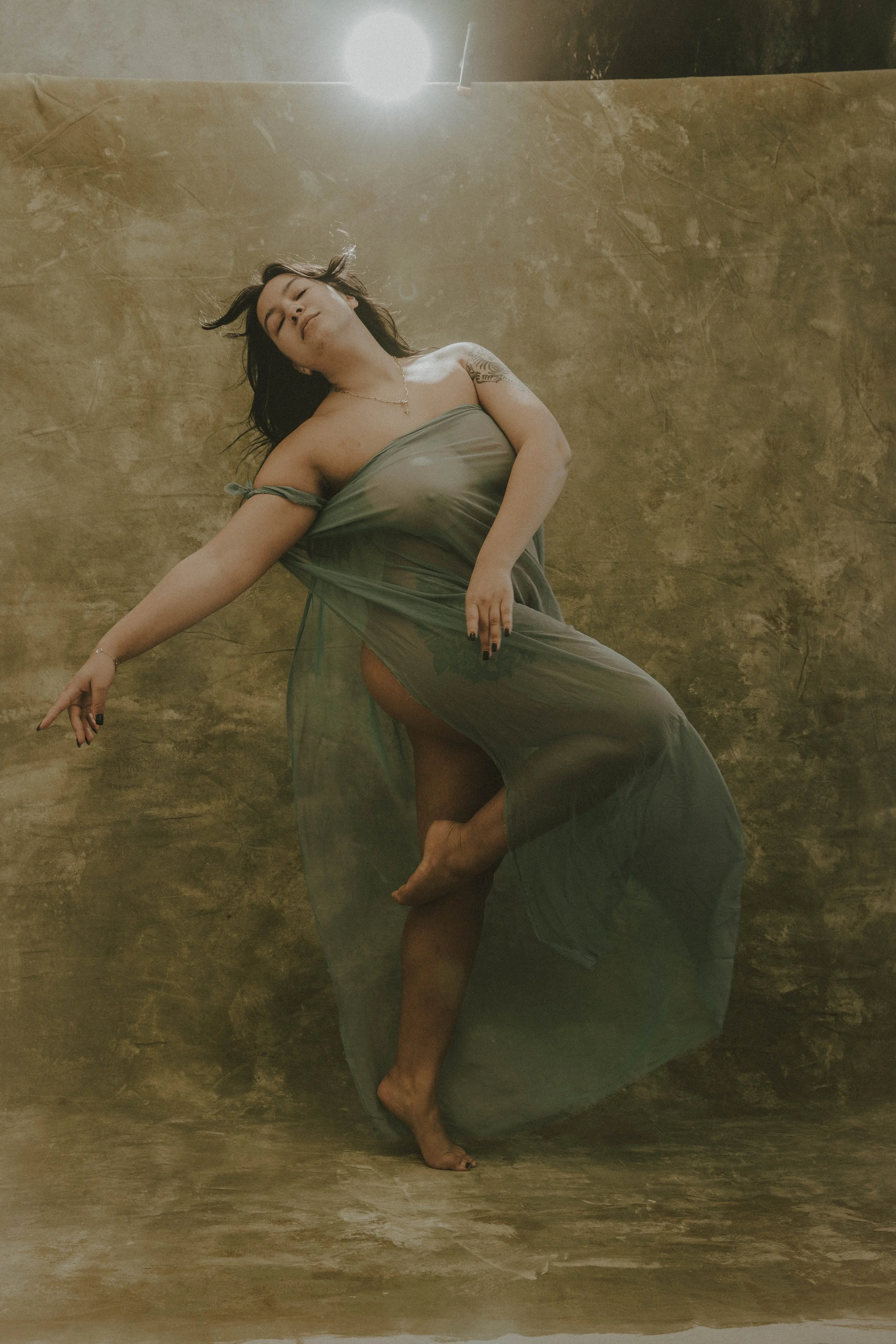
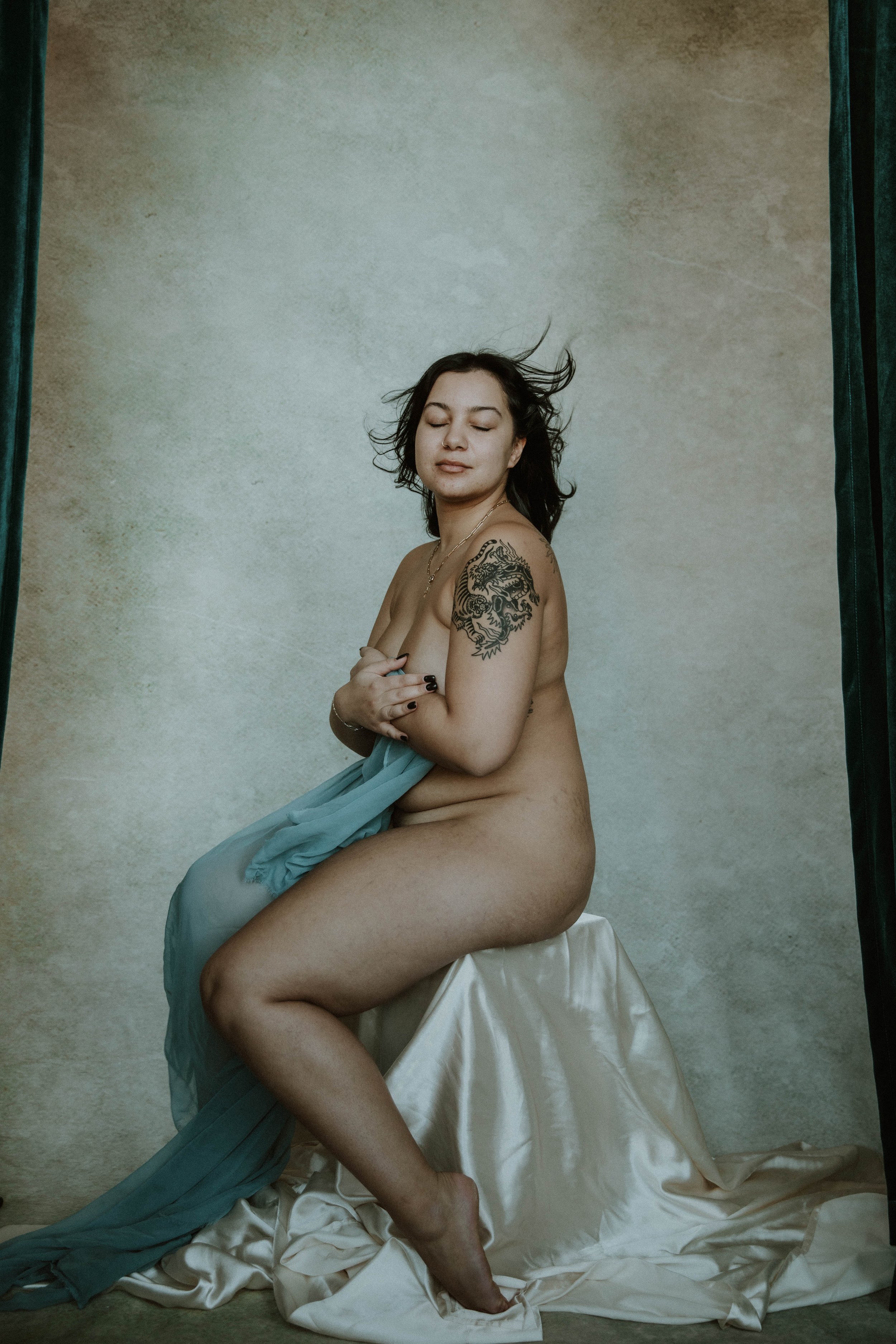
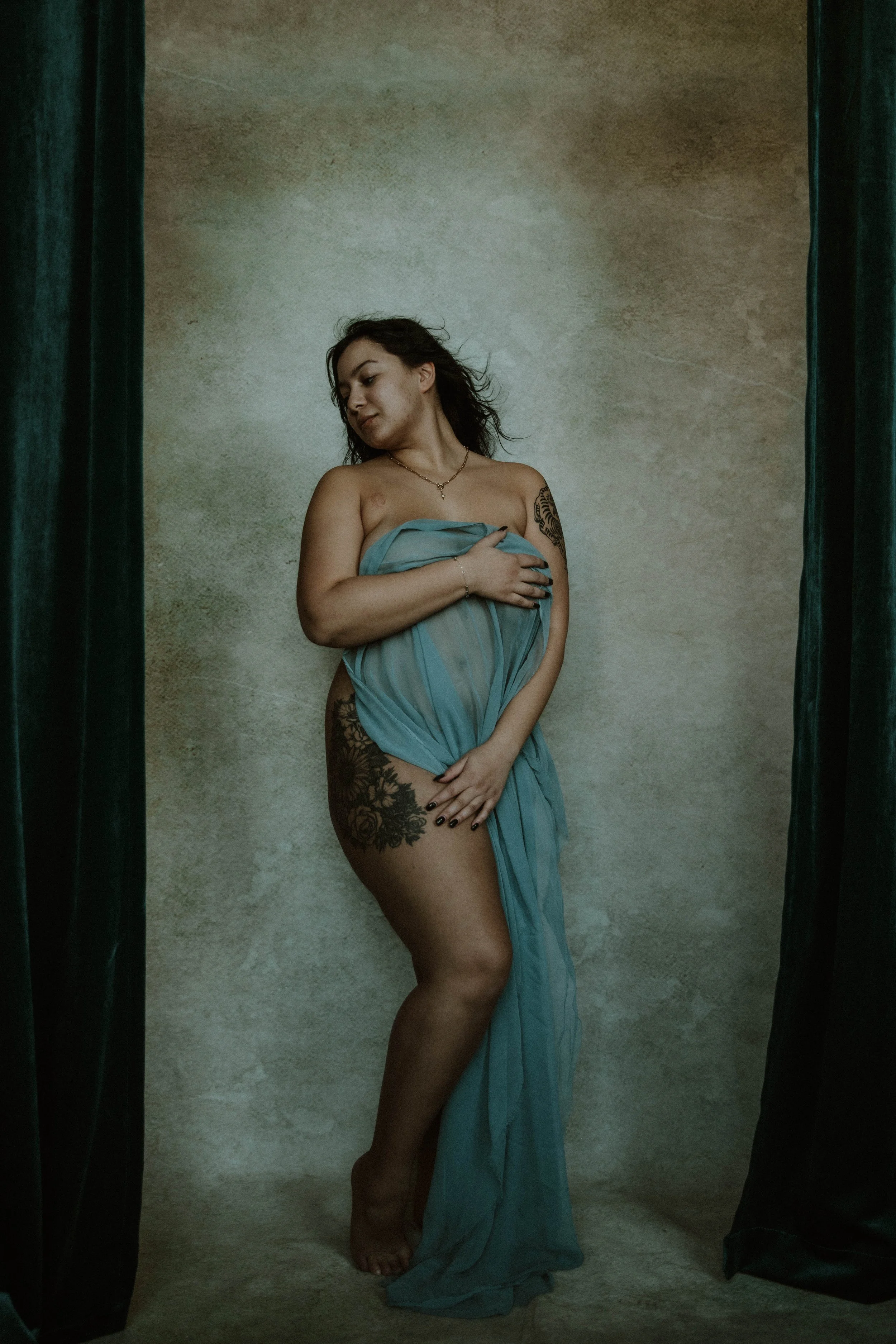
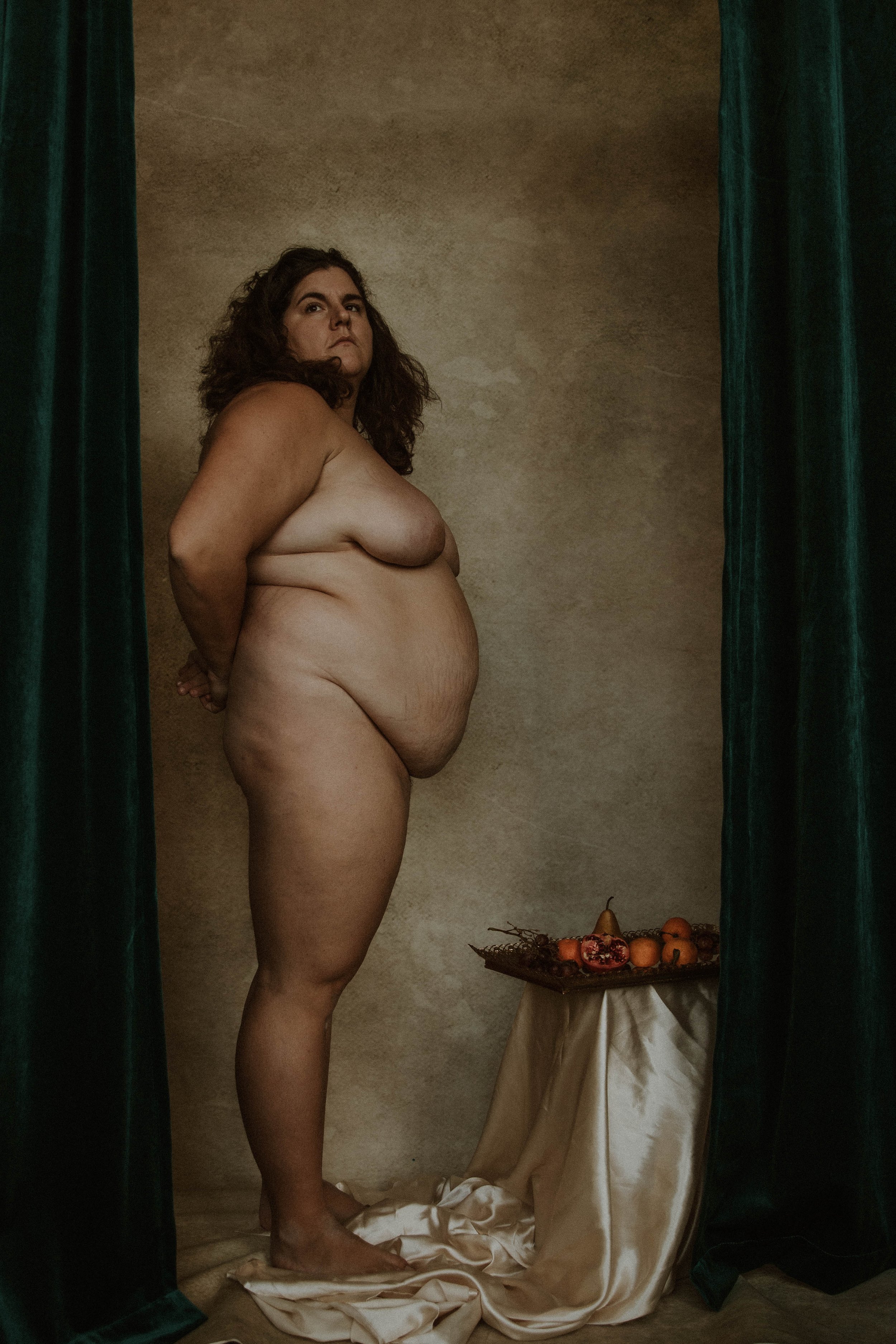
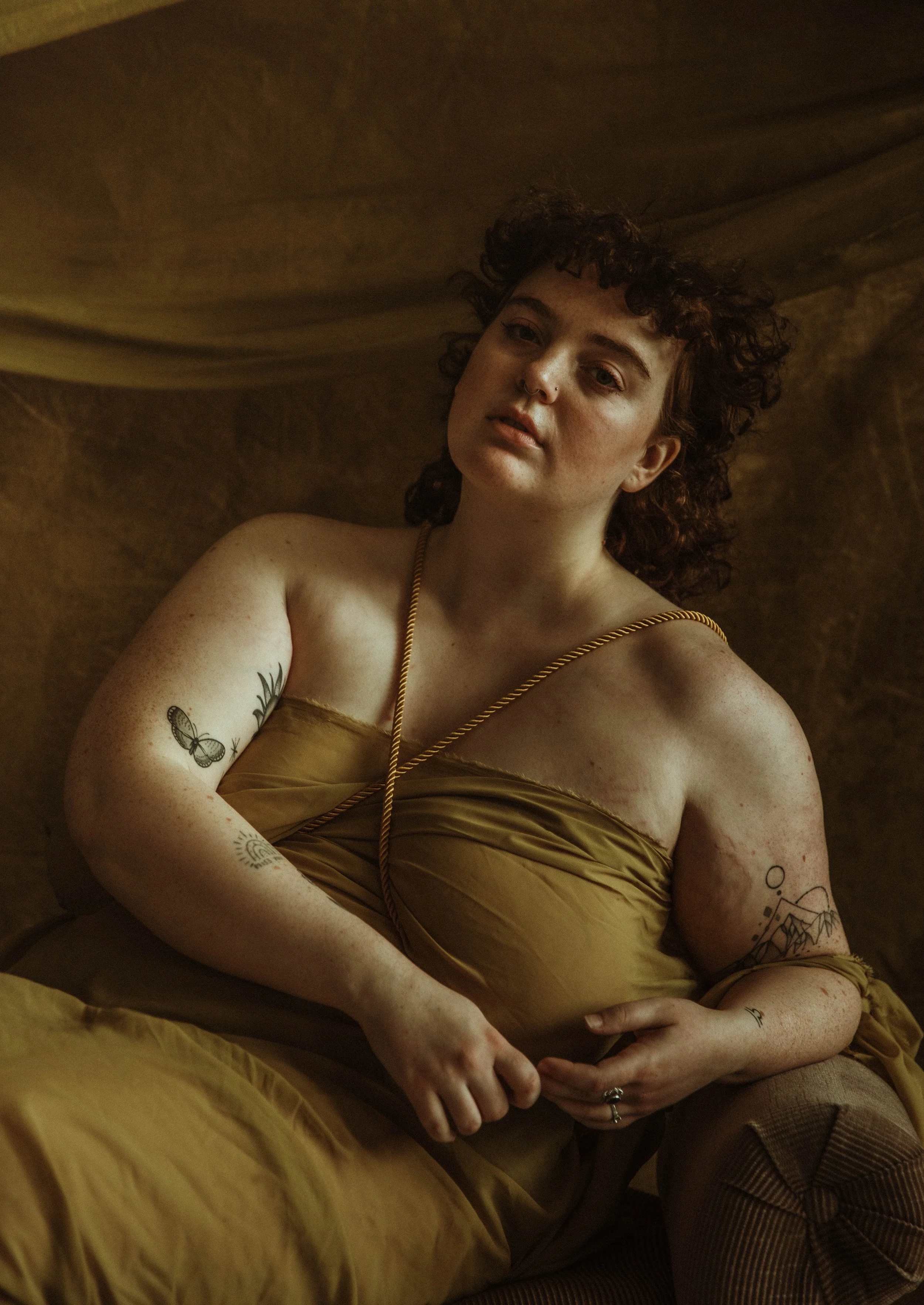
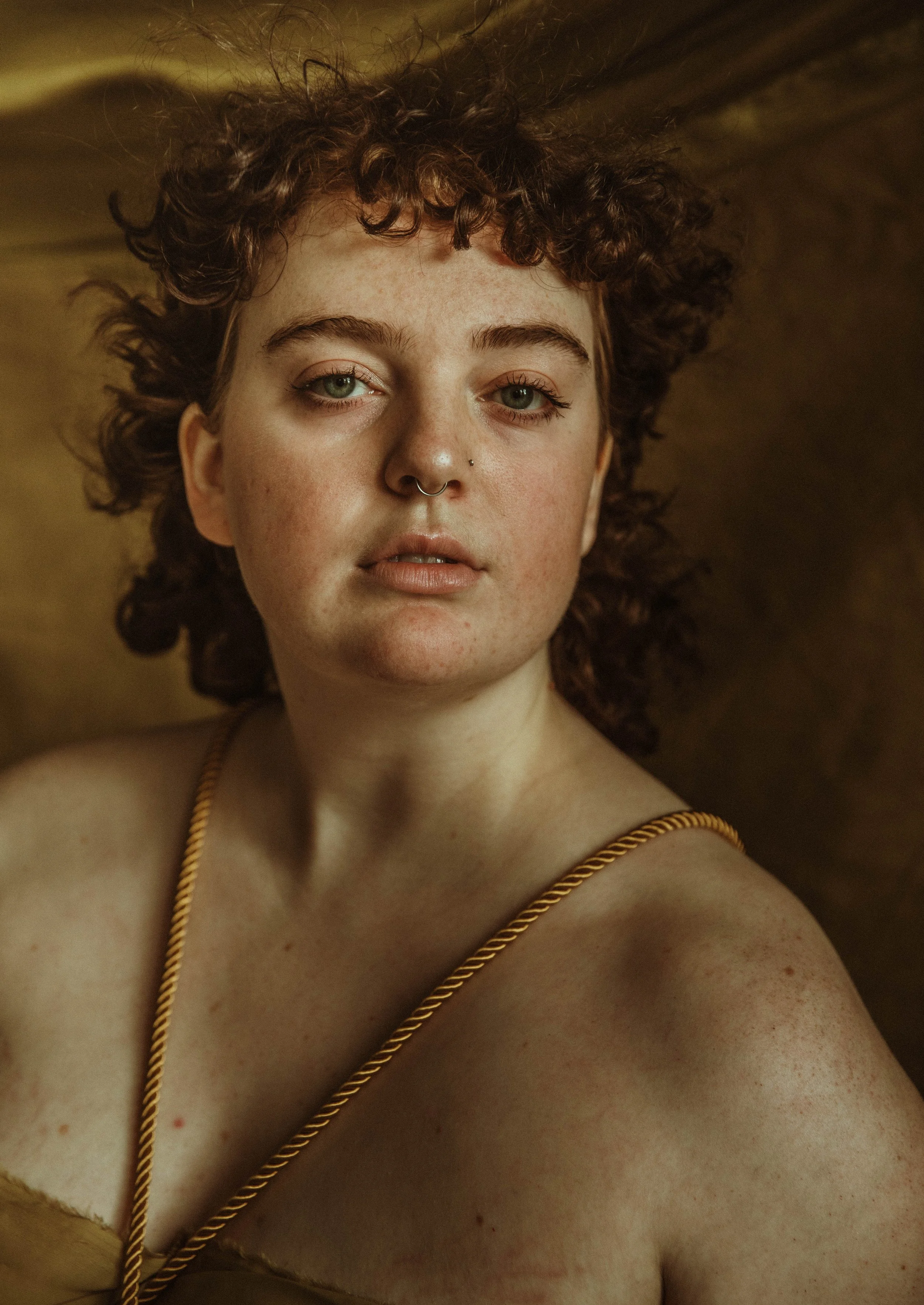
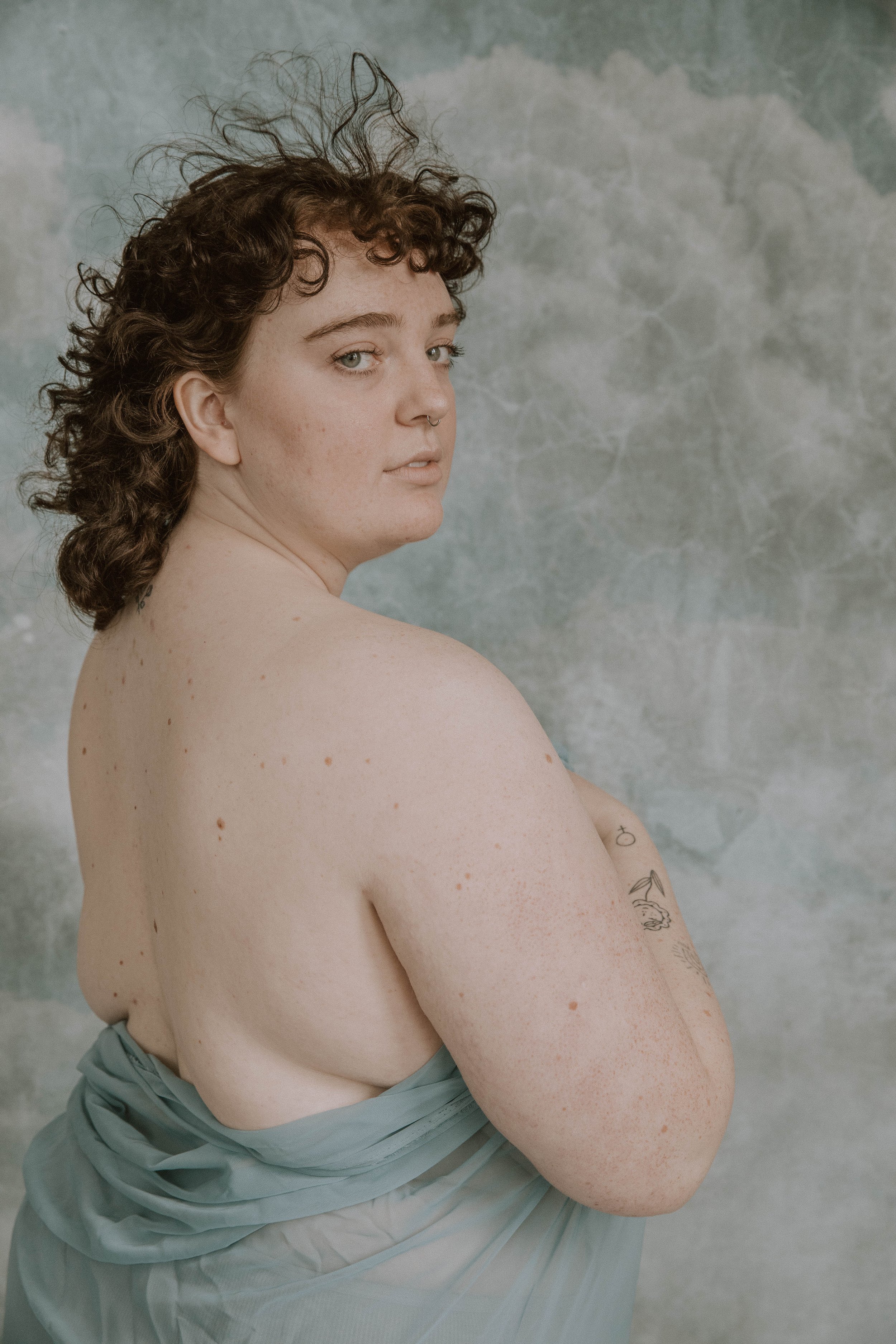
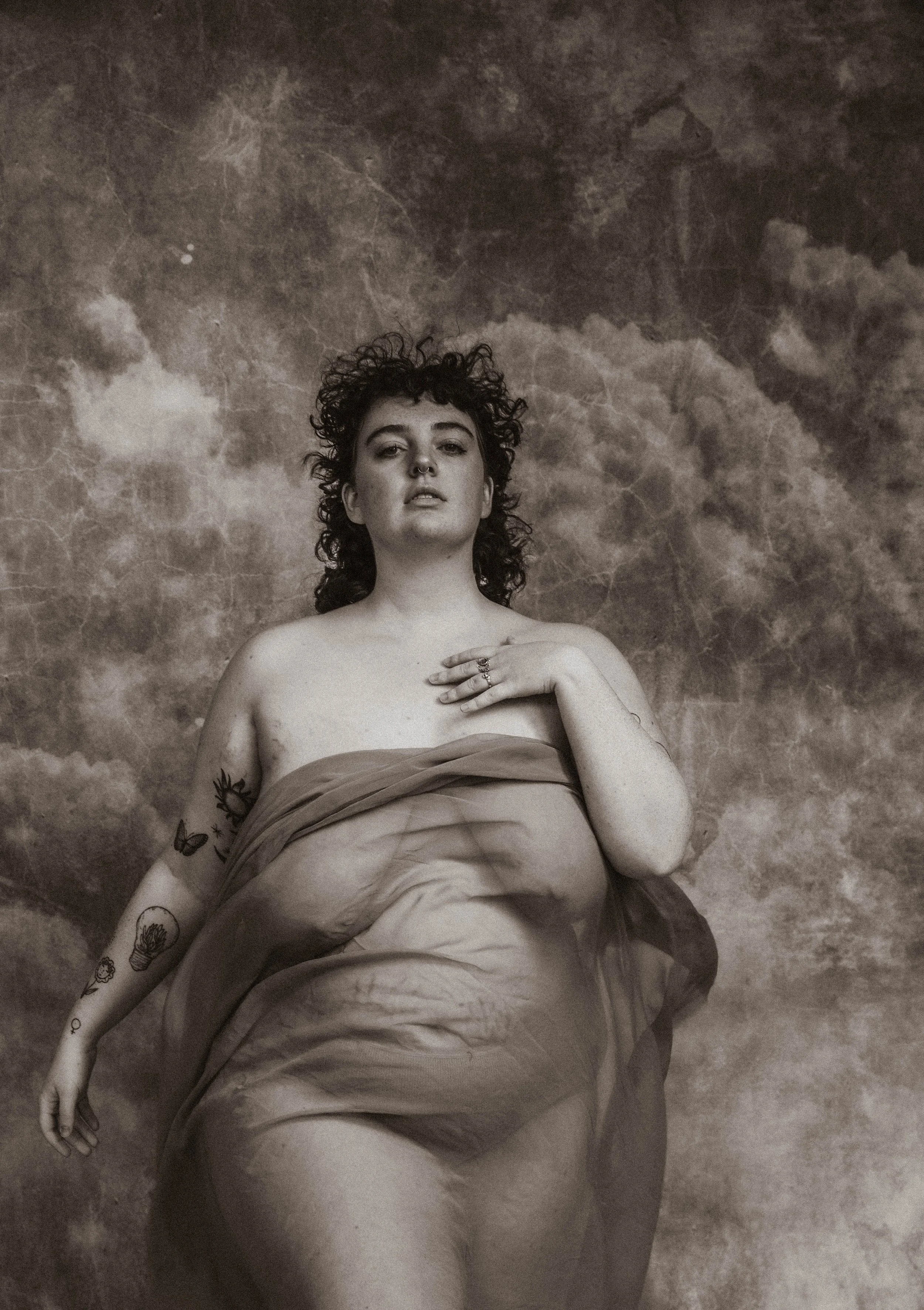
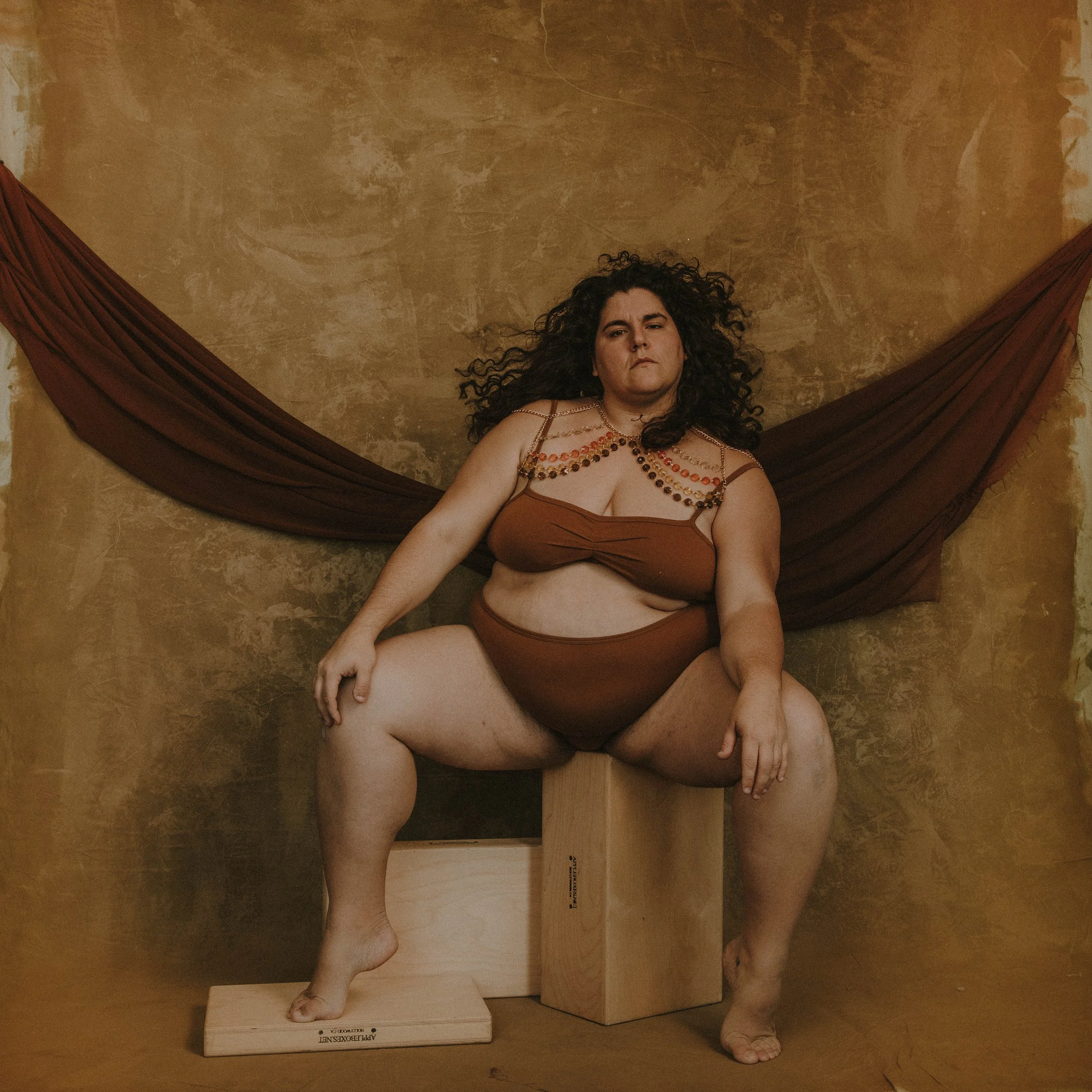
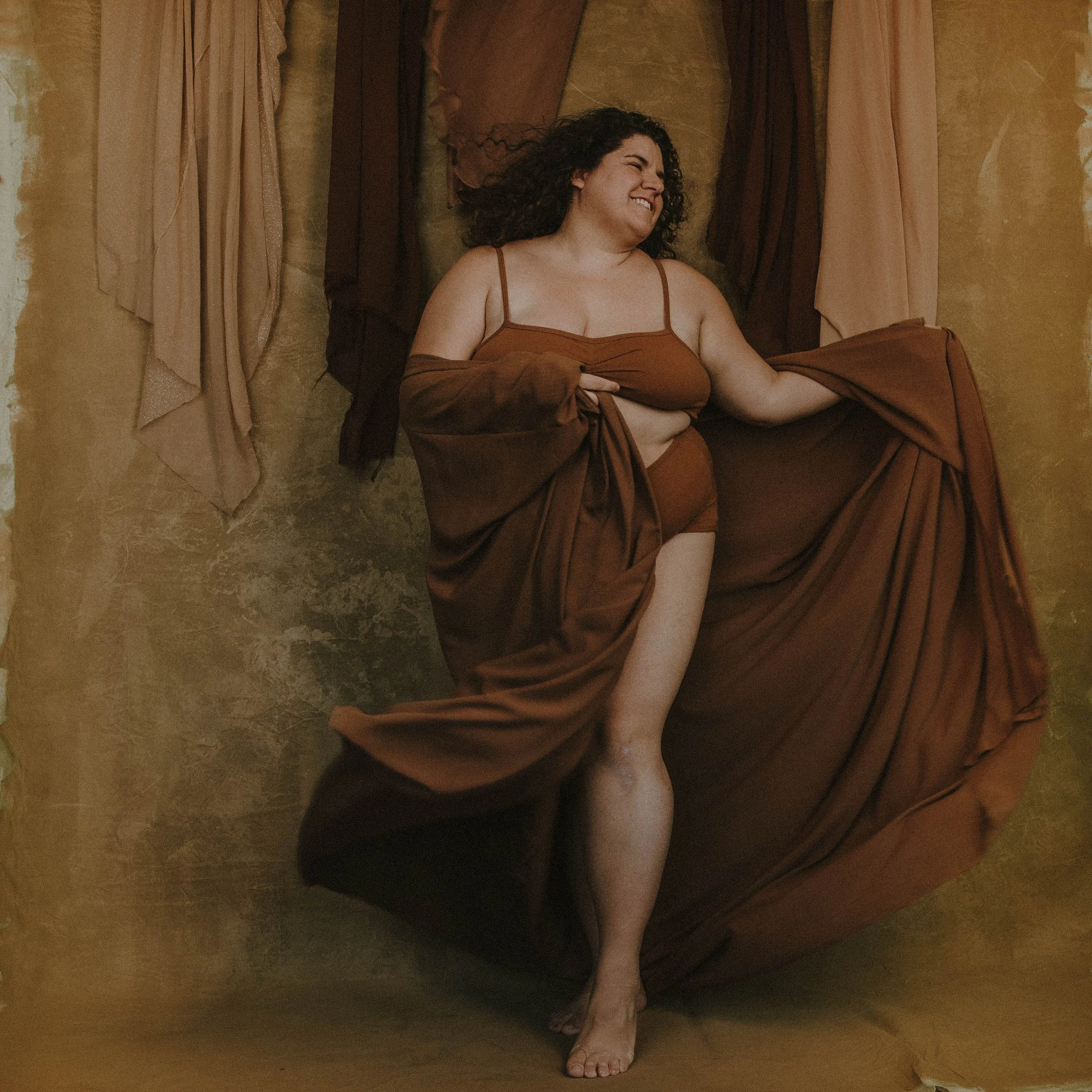
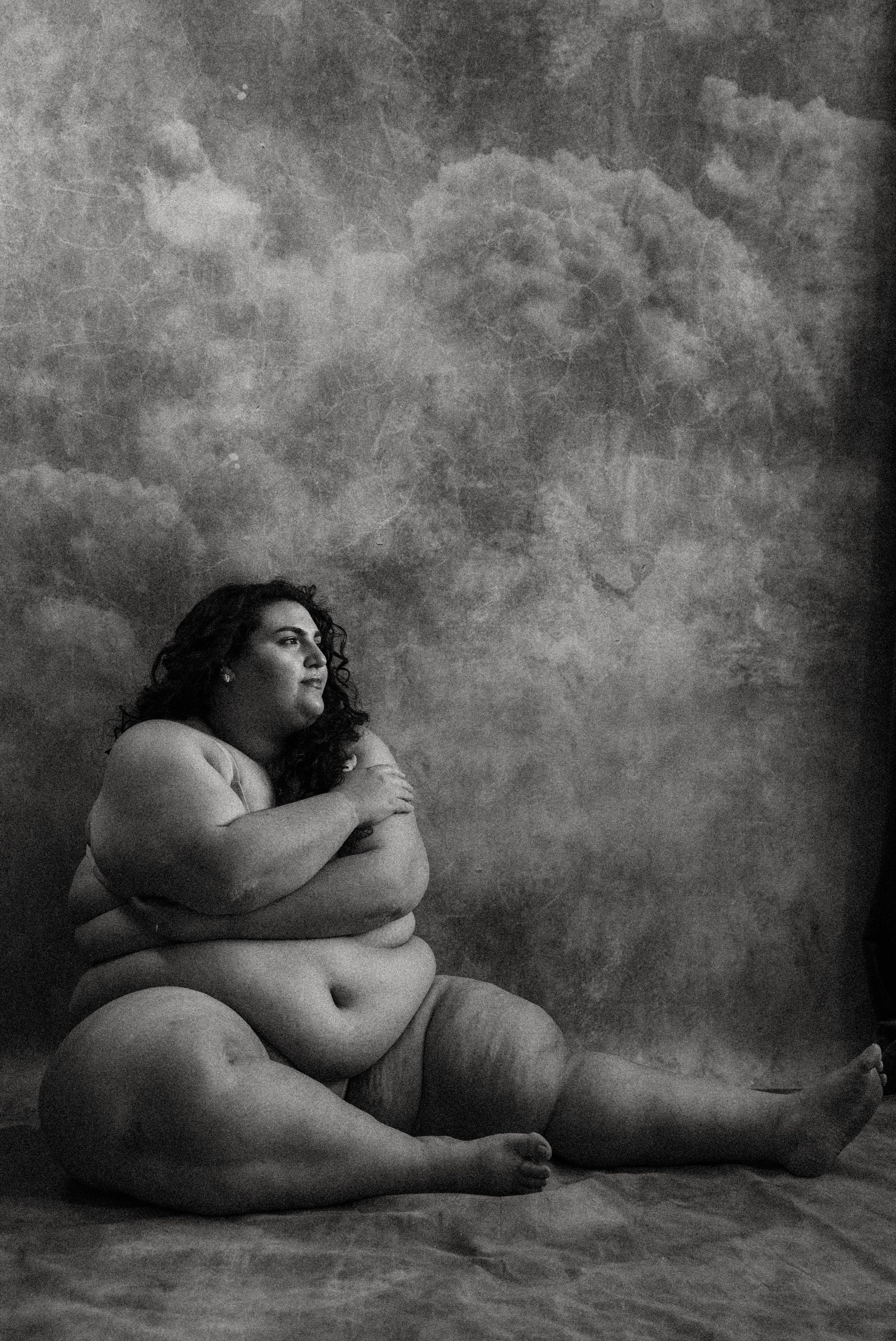
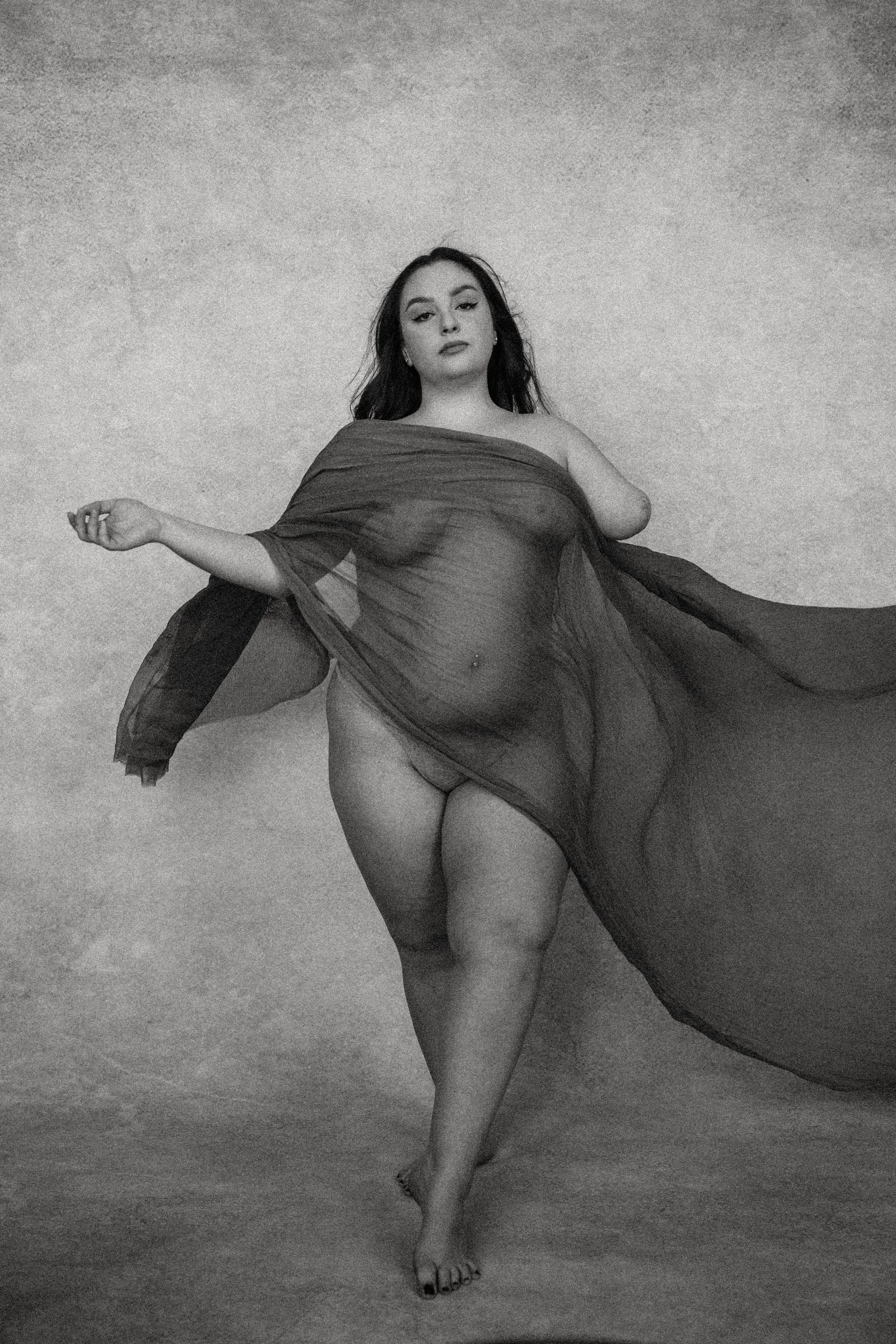
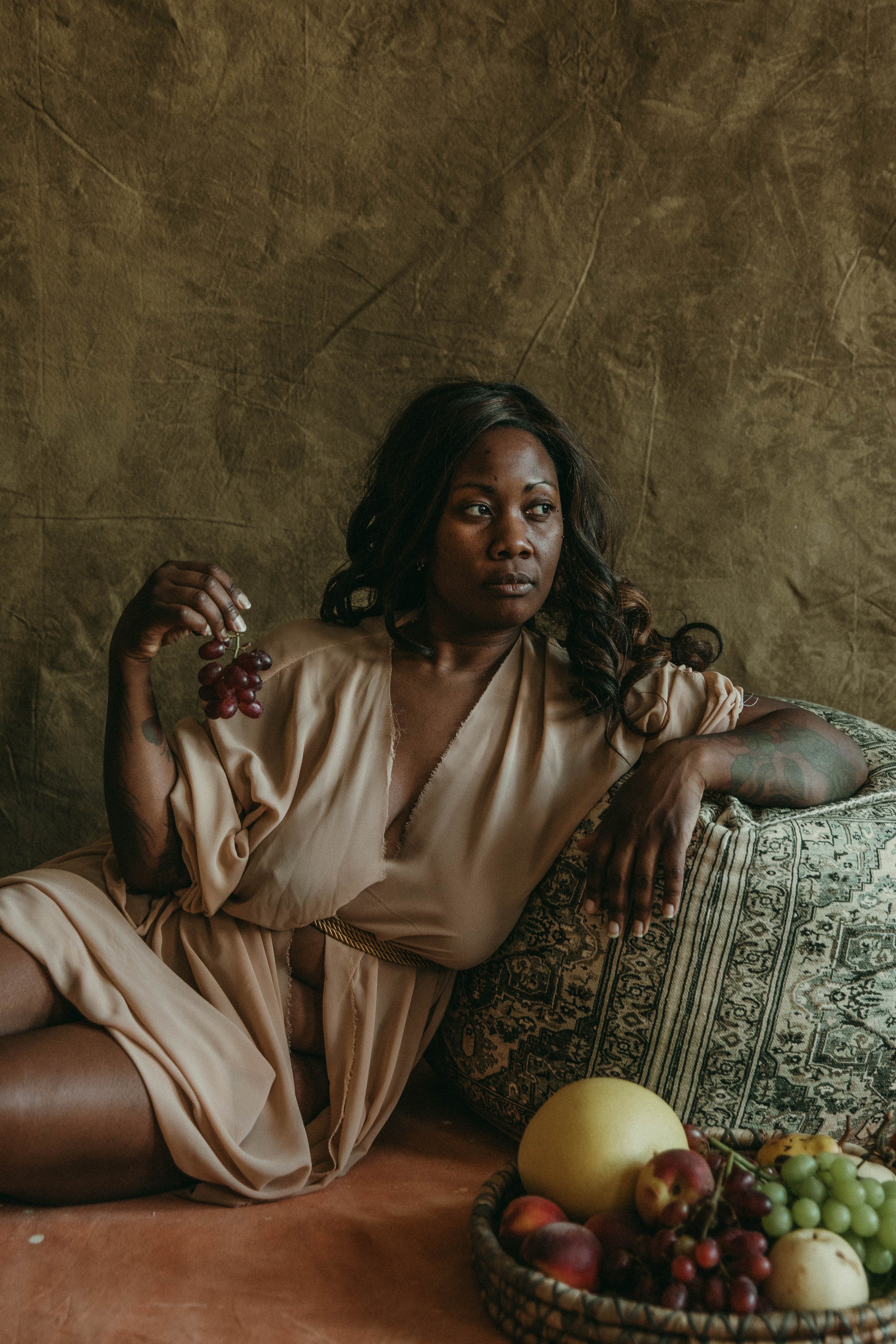
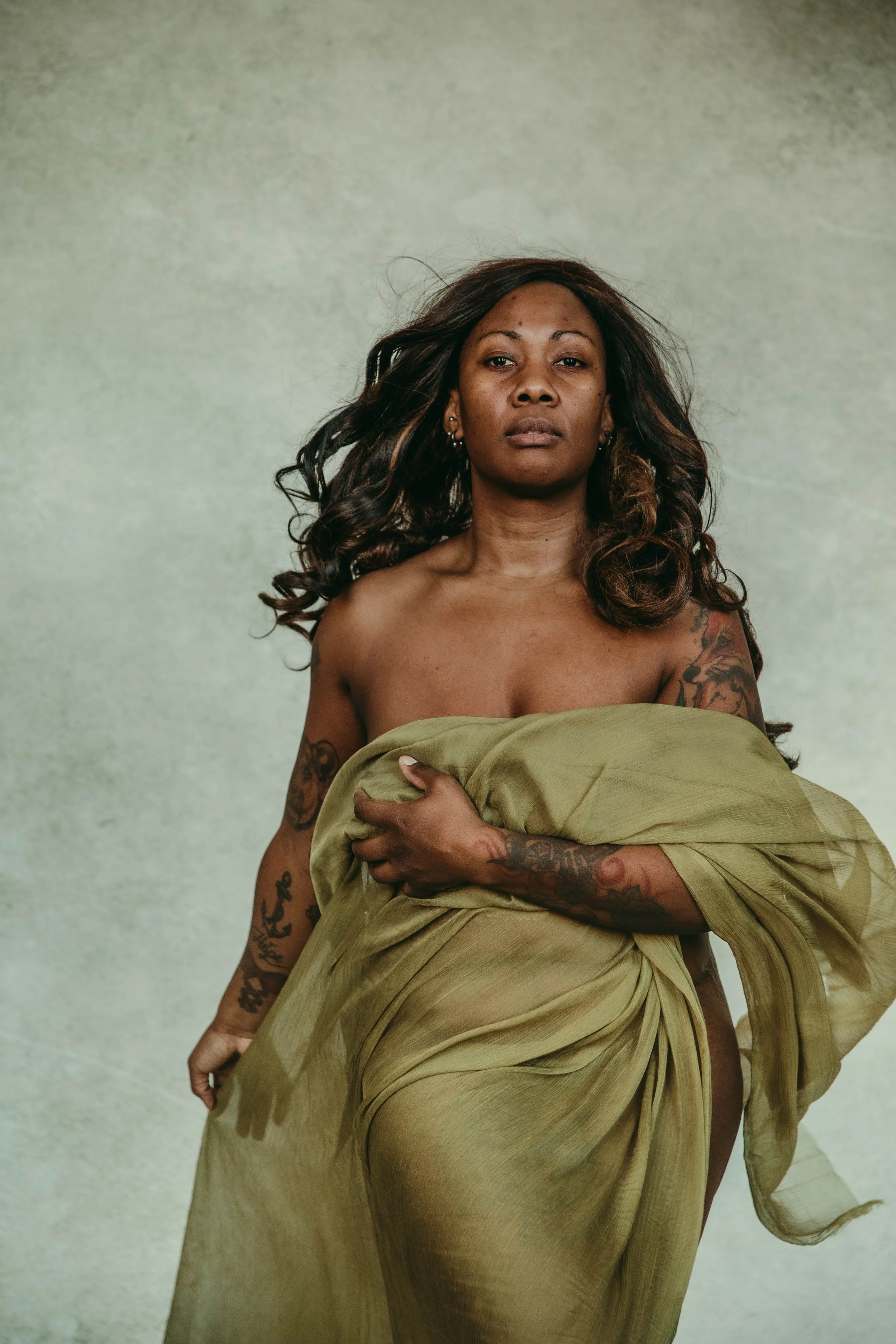
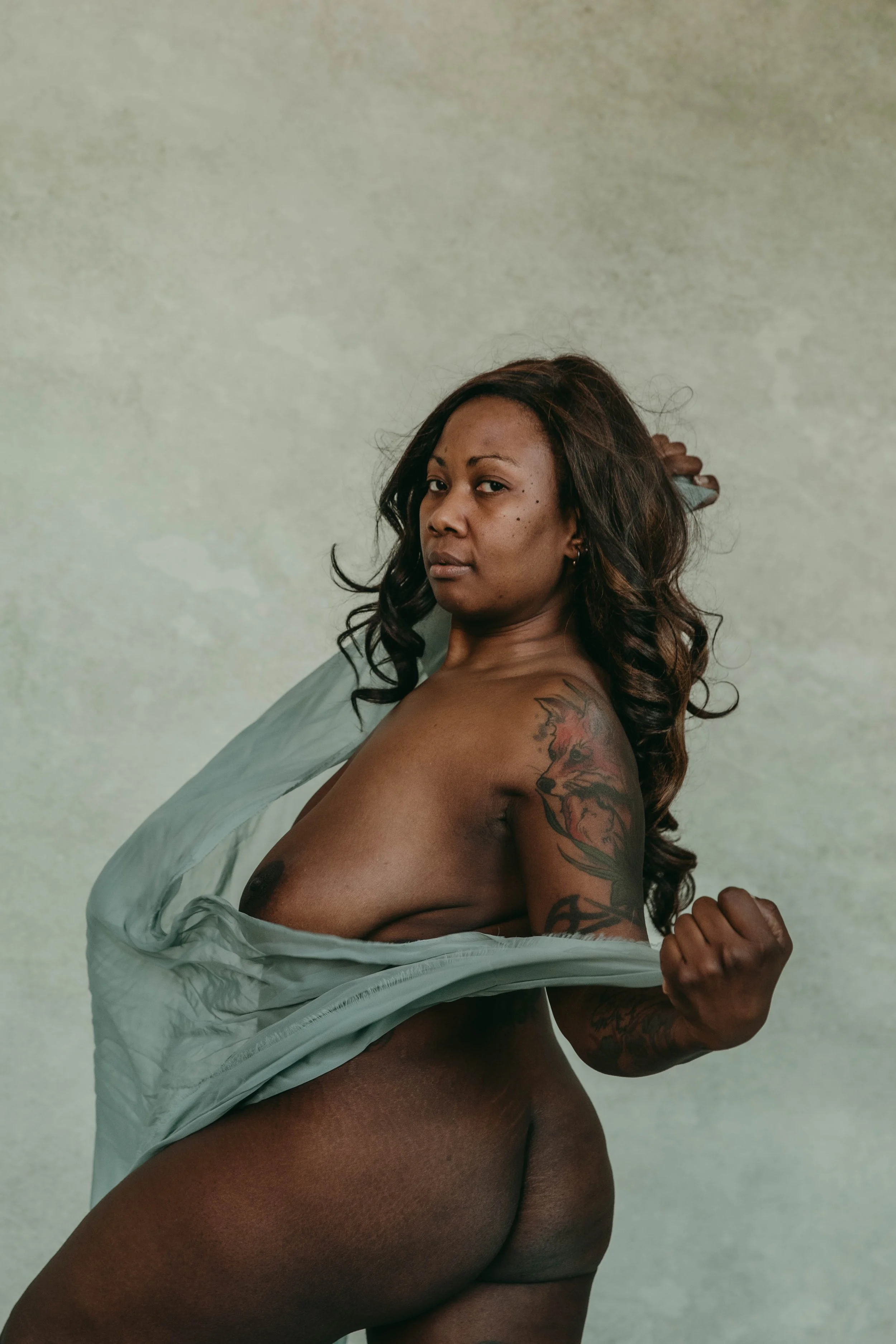
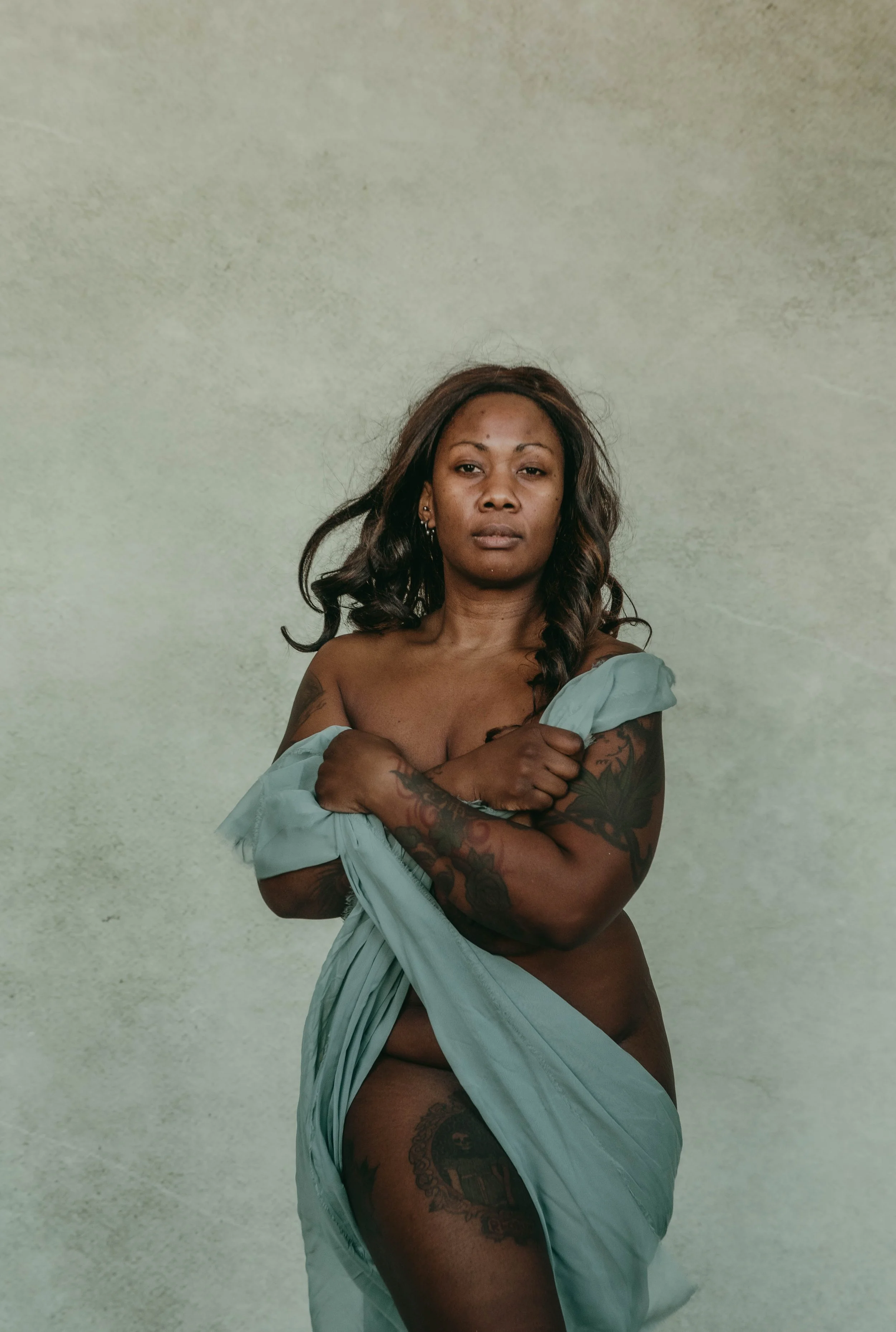
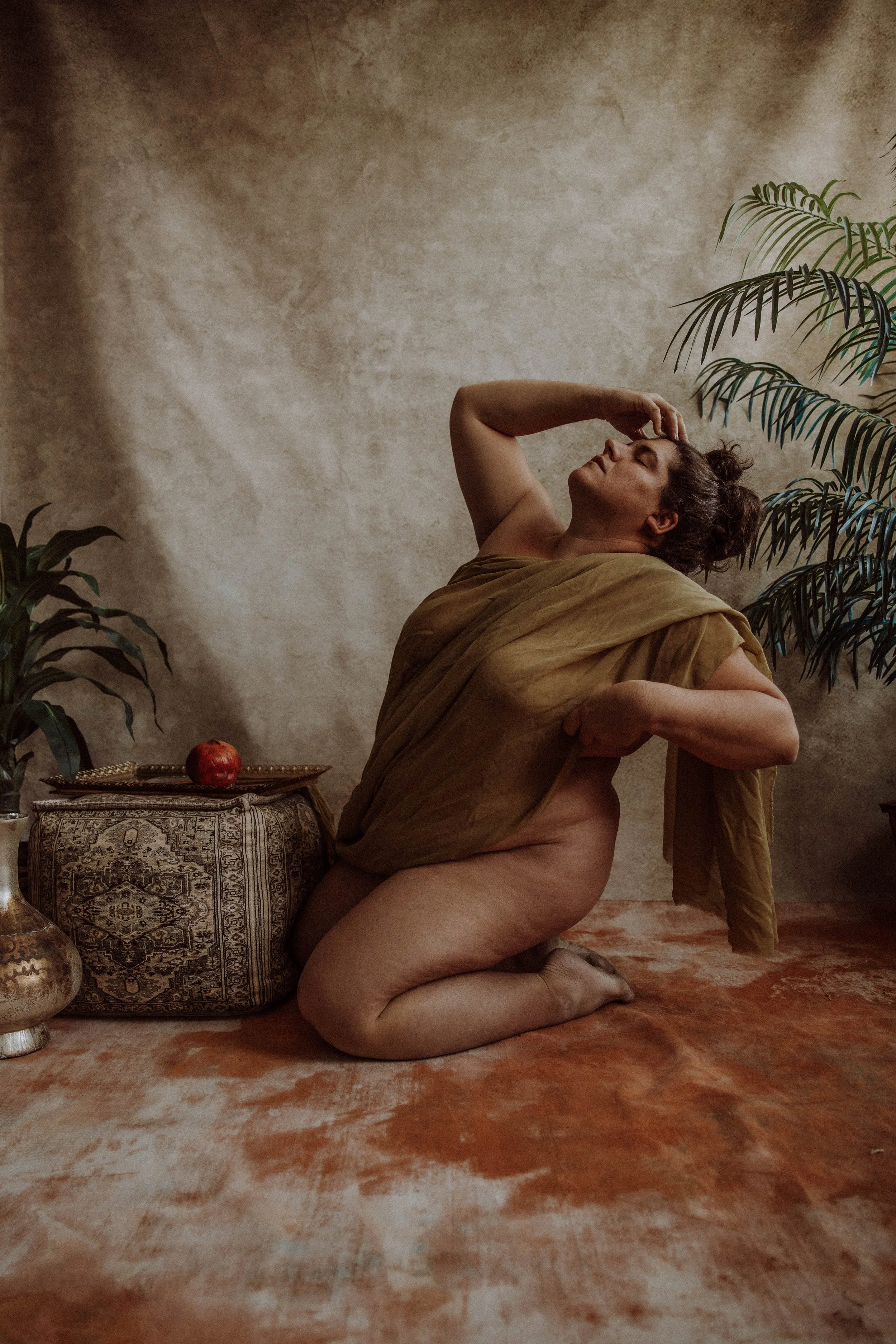
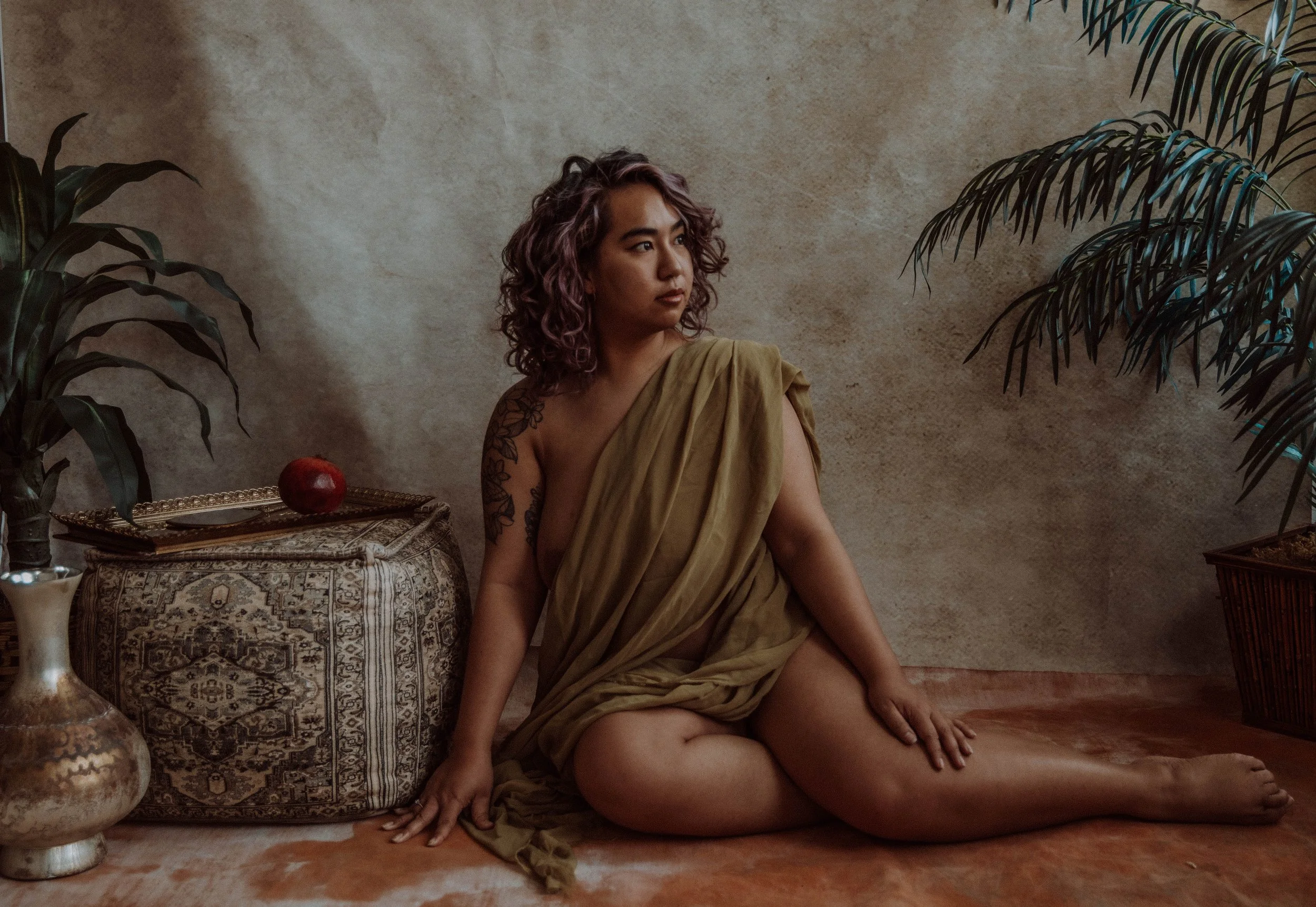
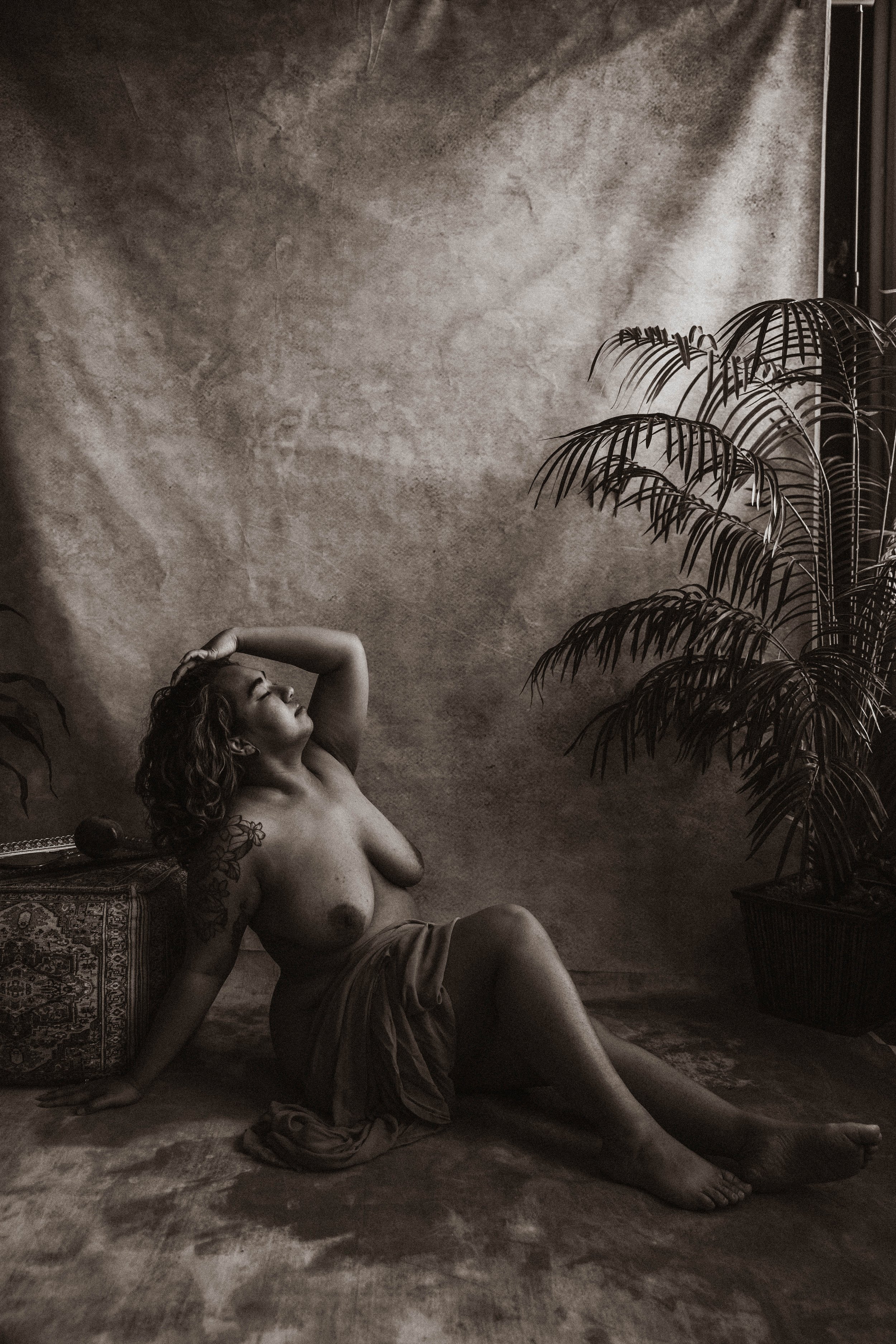
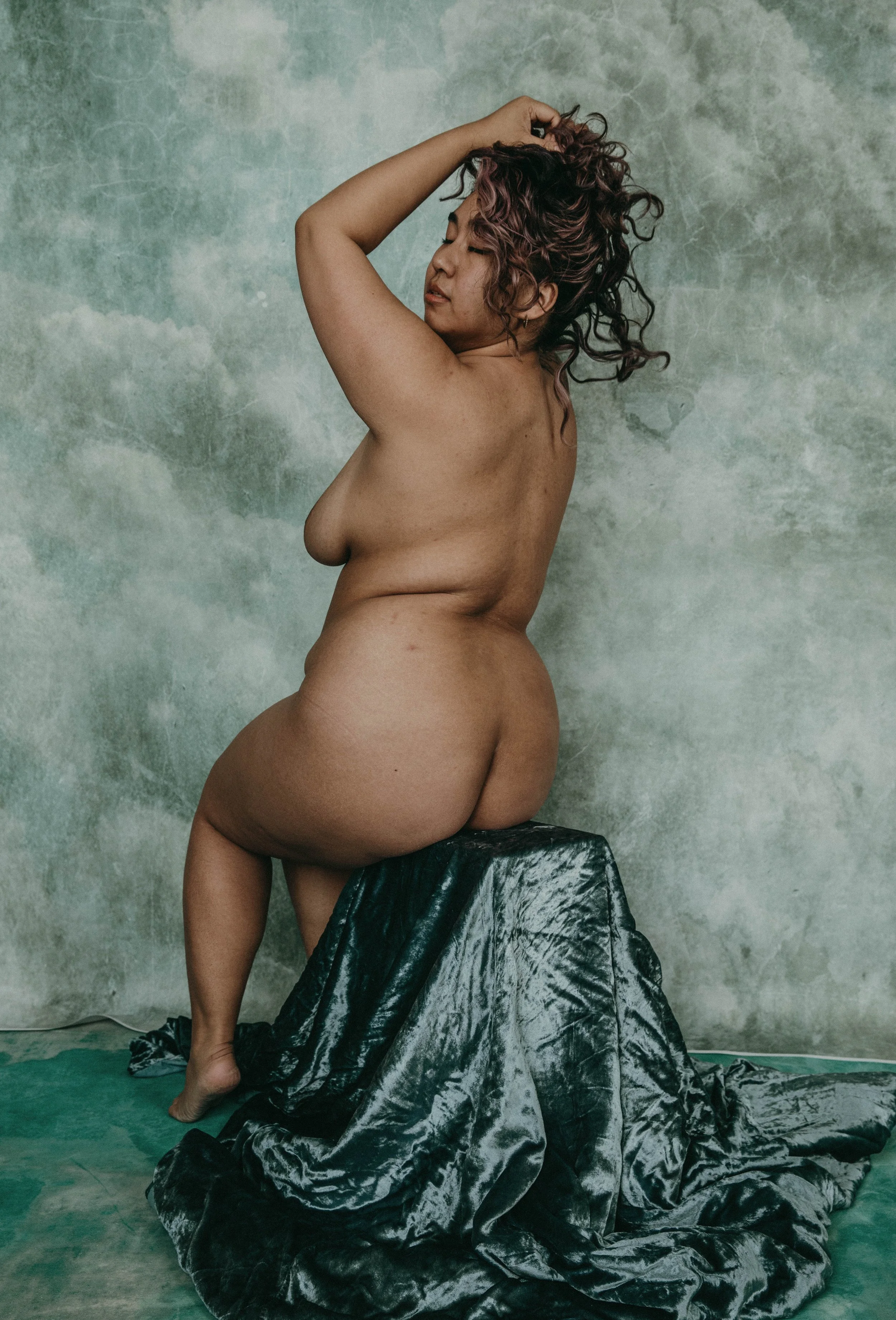
You Don’t Have to Love Every Part with Teri Hofford
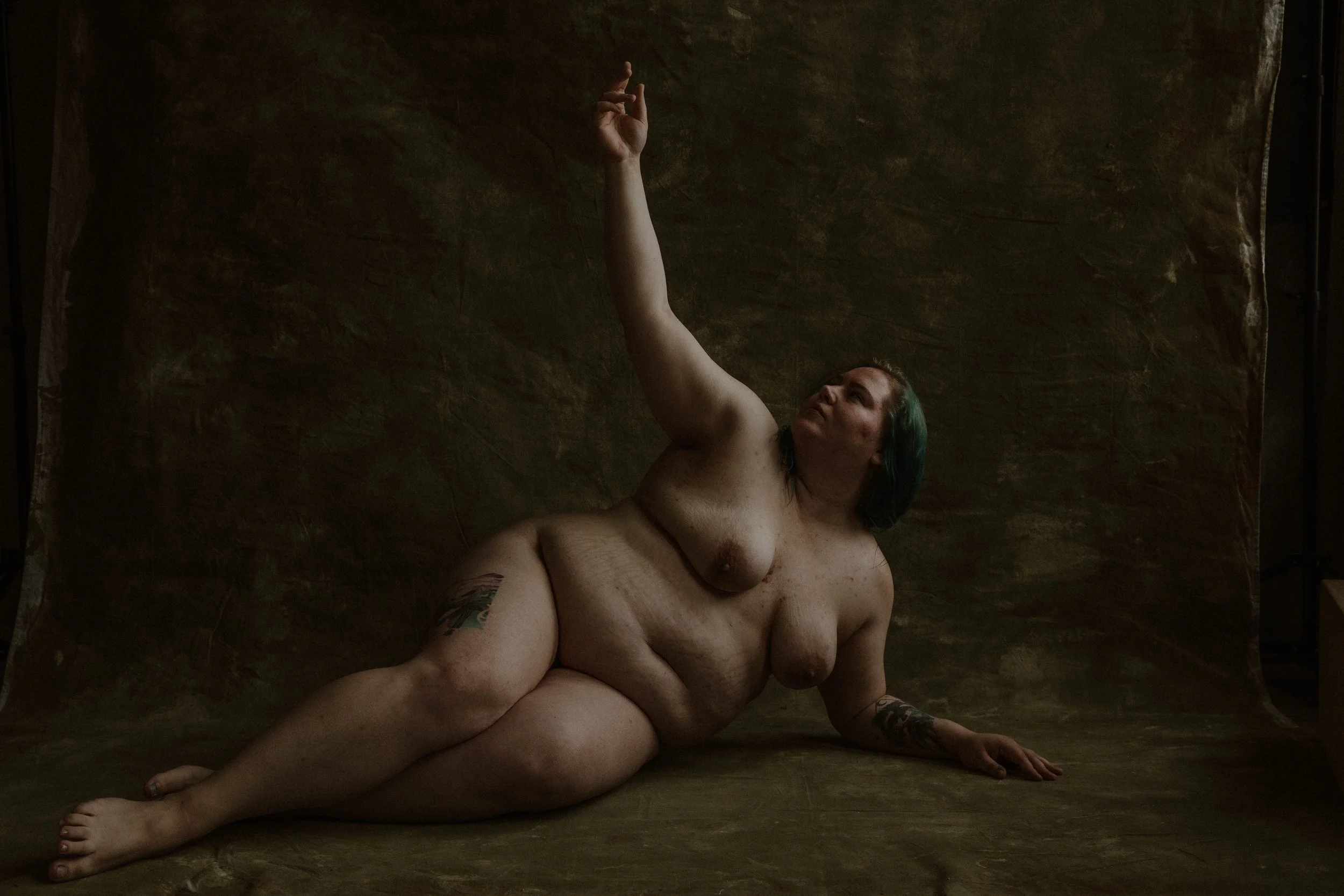
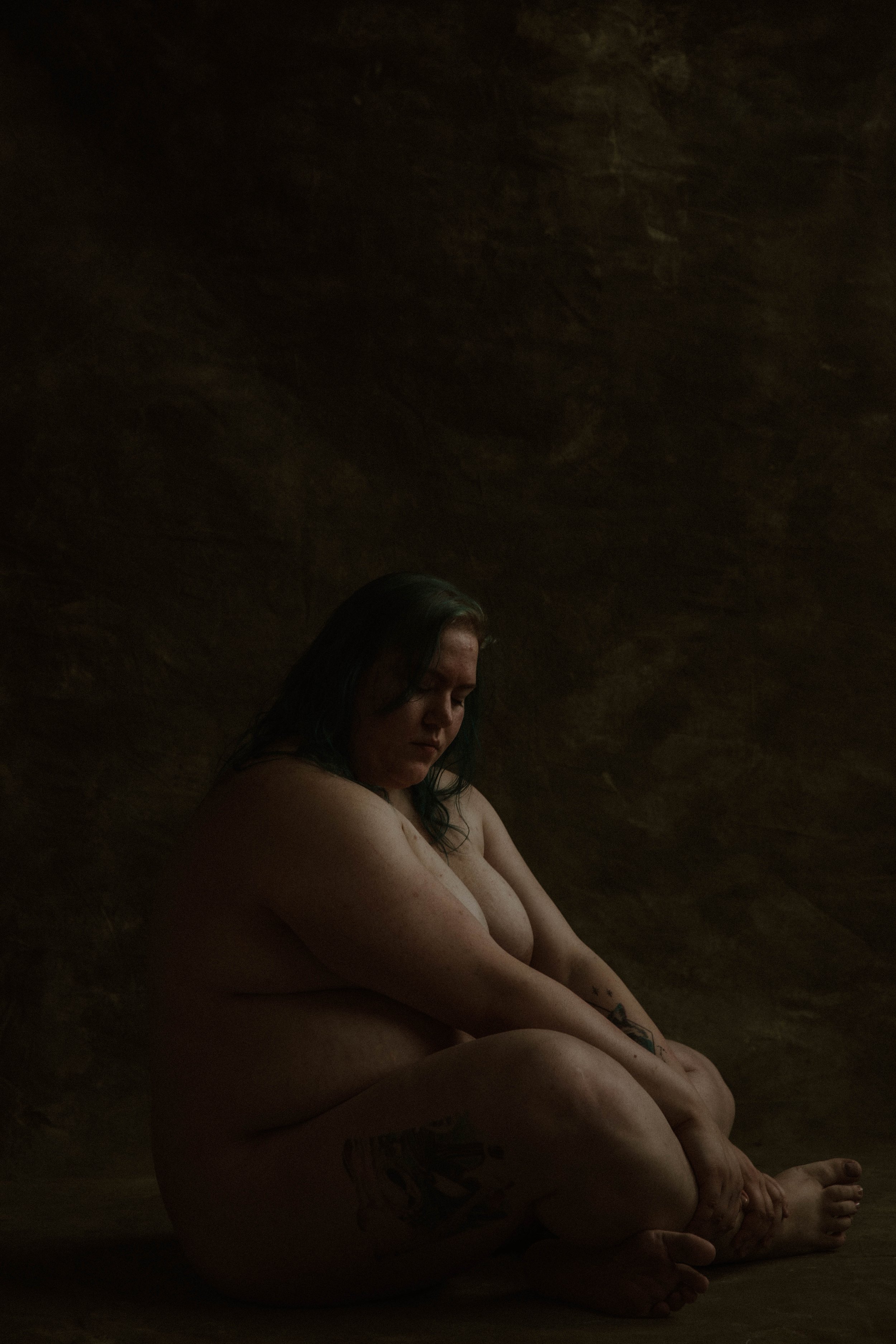
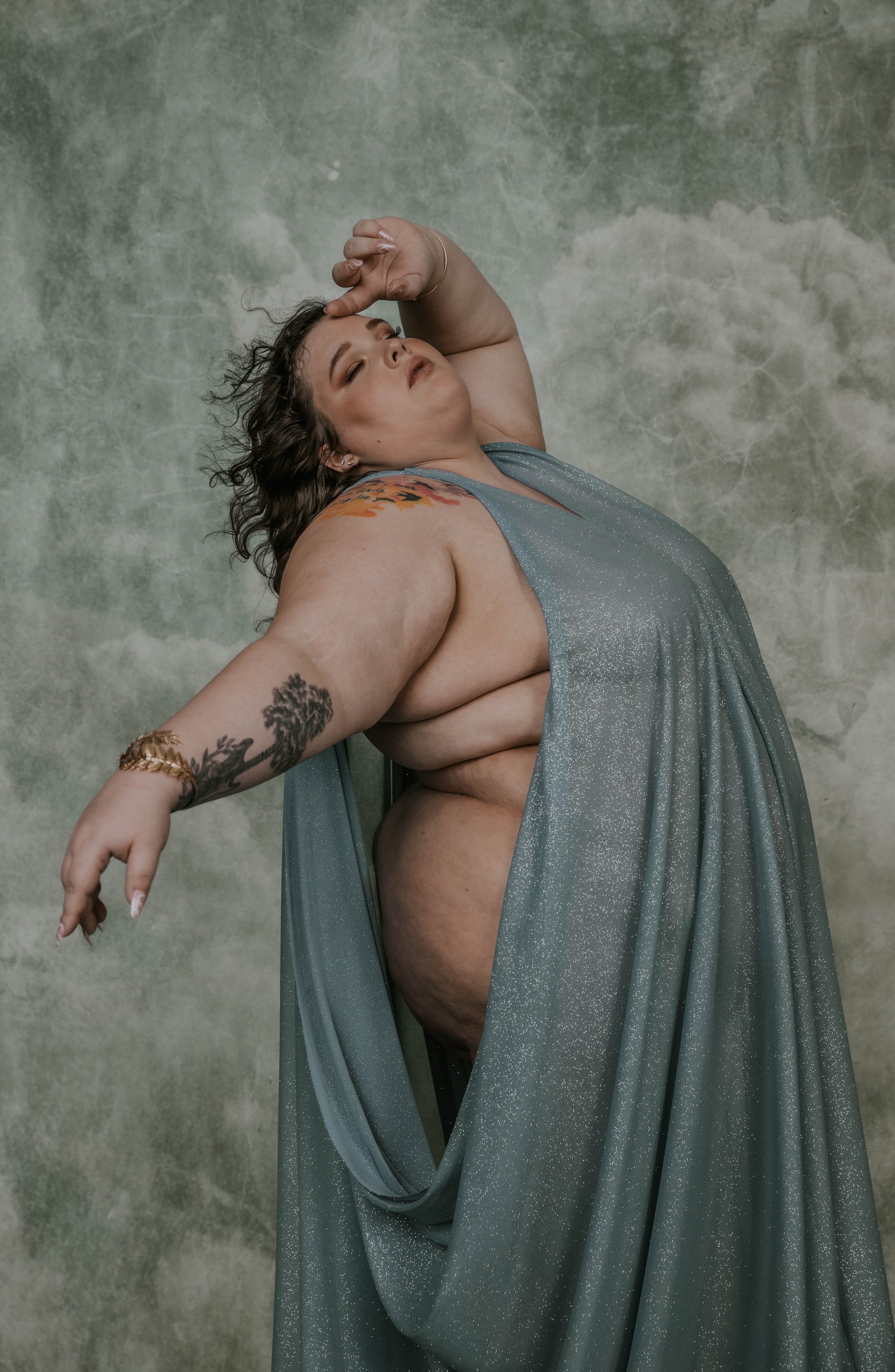
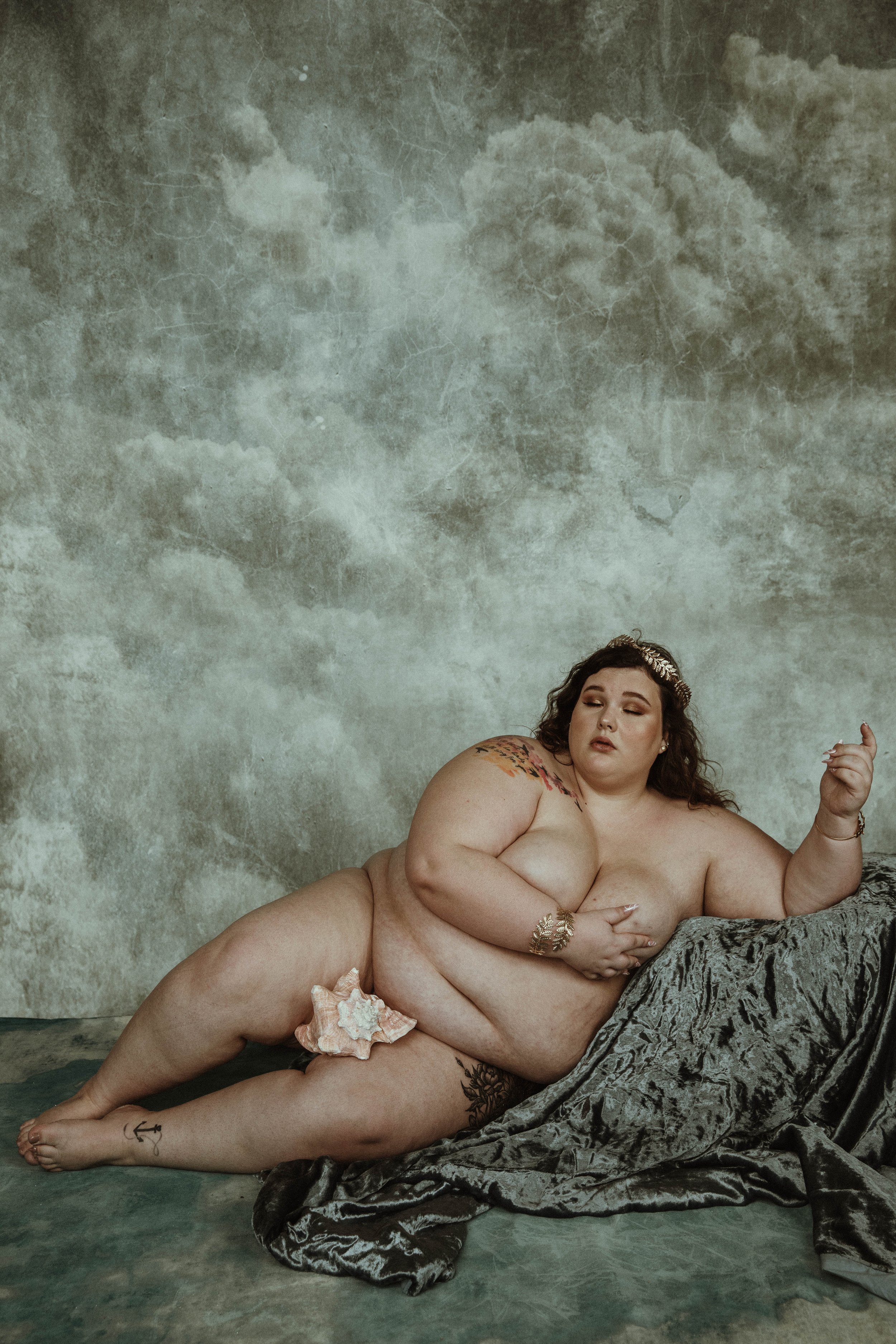
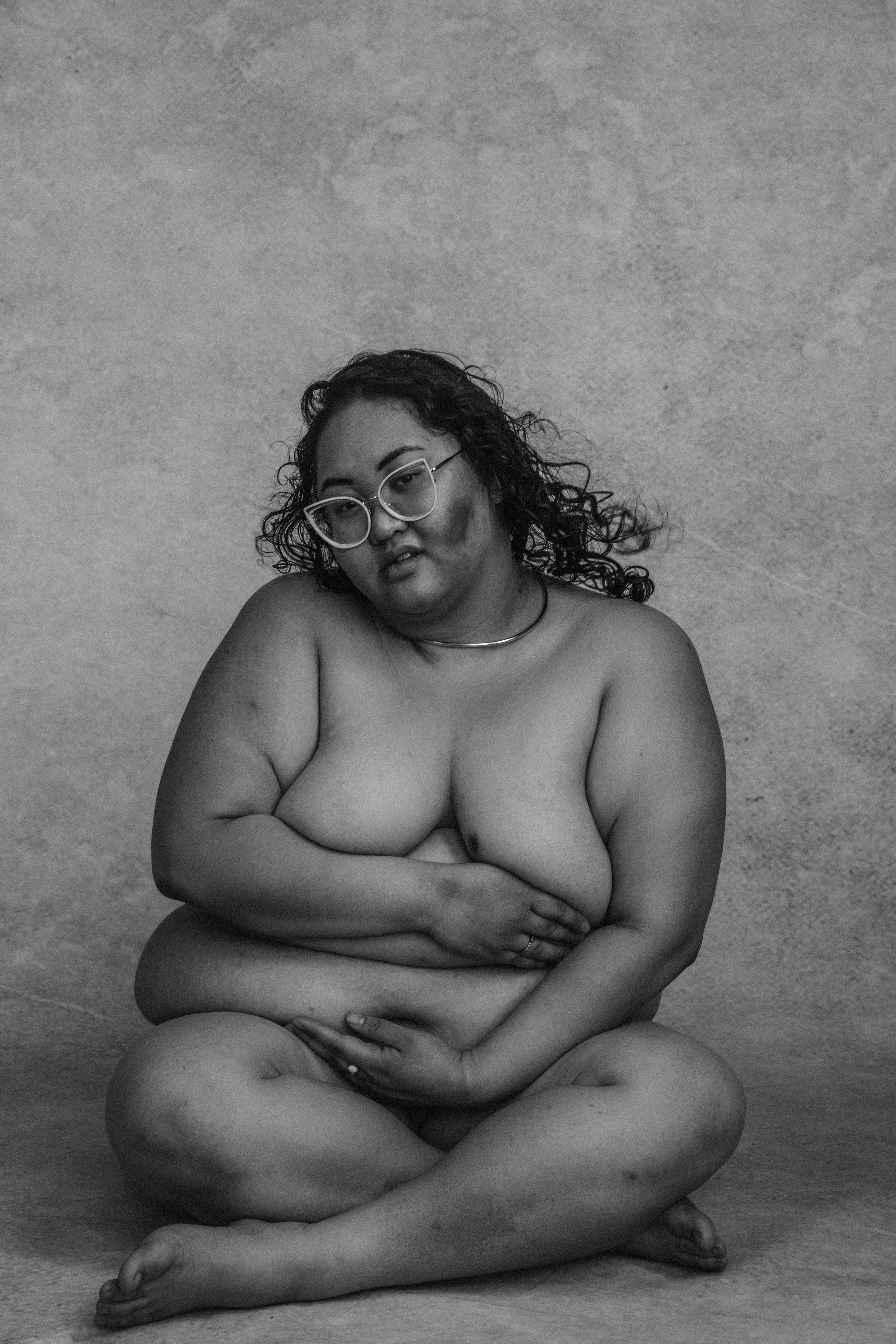
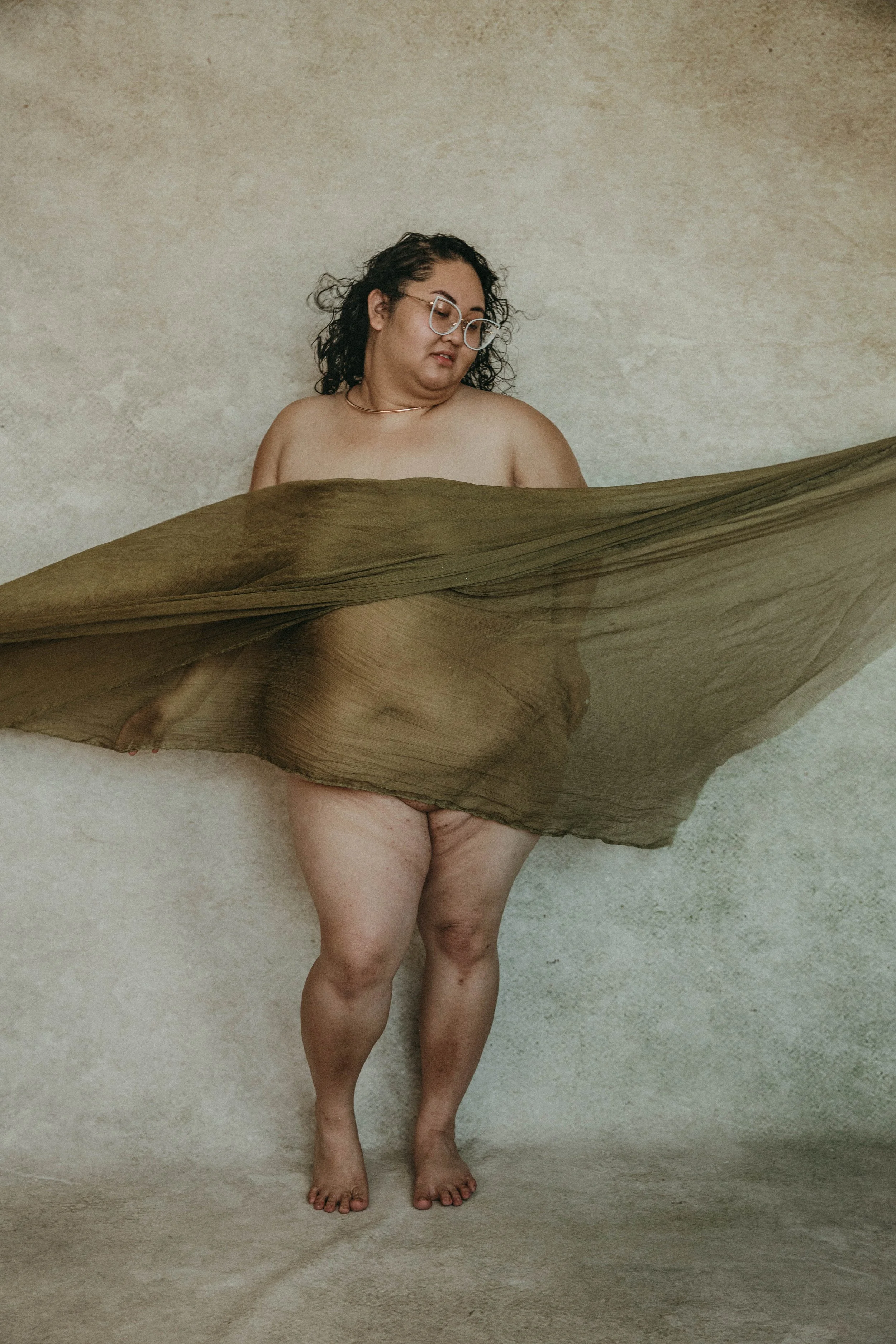
A client can deserve beautiful photographs and still feel uncomfortable looking at them. They can book a boudoir session without wanting it to become a lesson in loving their body. For Teri Hofford, making room for those possibilities is an essential part of photographing people thoughtfully. Her approach to body image education grew from experiences on both sides of the camera. Growing up as a plus-size child, Teri noticed differences in how bodies were treated. Later, photographing people of different shapes and sizes complicated the idea that insecurity belonged to any particular body type.
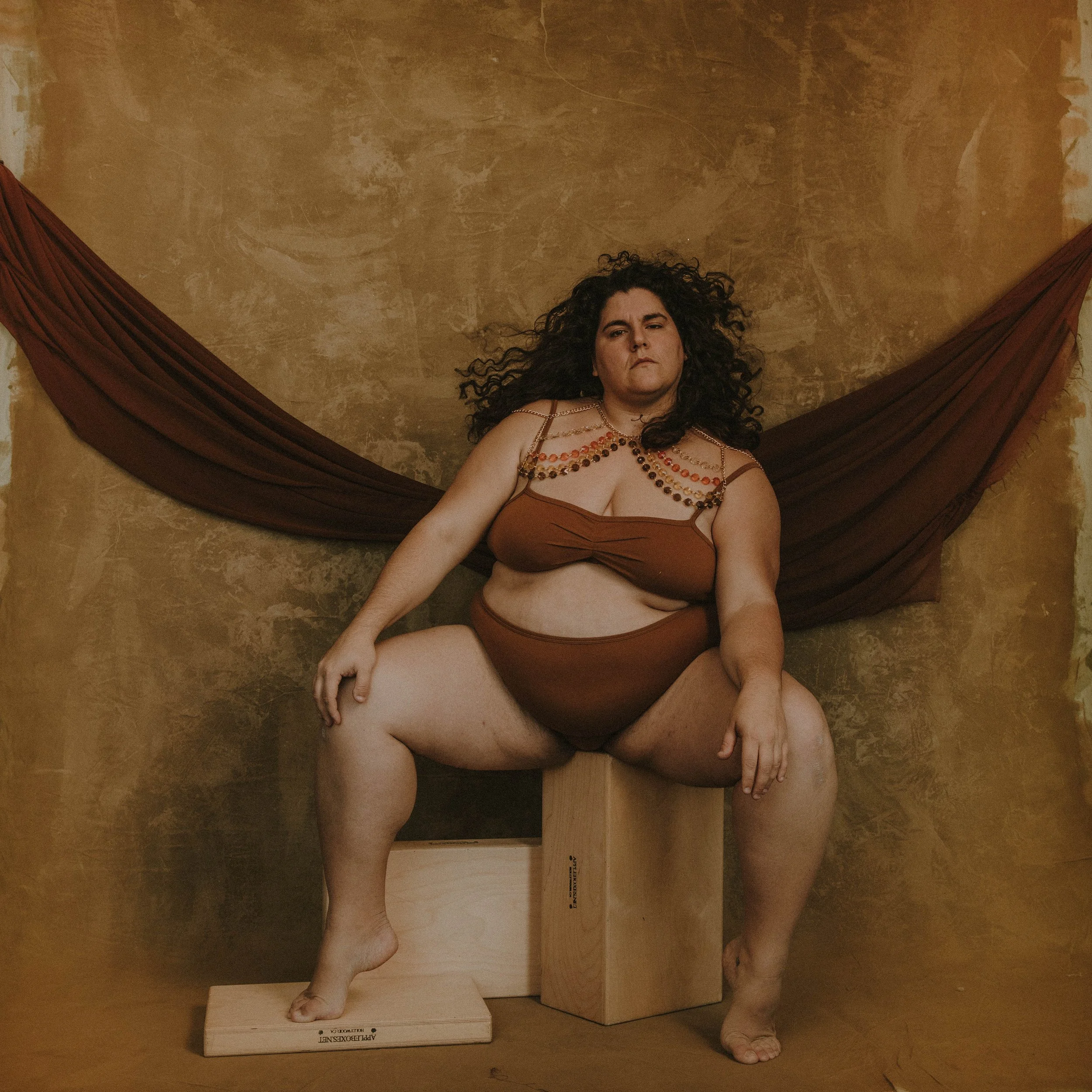
“I realized everyone with a body disliked parts of themselves so it couldn't be about the body.”
That realization shifted her attention toward the beliefs people bring into a session, the experiences that shaped those beliefs, and the ways a photographer might reinforce or question them. Her work asks photographers to look closely at their own assumptions while allowing clients to arrive without a requirement to feel differently about themselves.
The Experience That Changed Her Direction
Early in her photography career, Teri booked a session with another photographer. What she received afterward stayed with her.
“All I got back were headshots and it felt really defeating.”
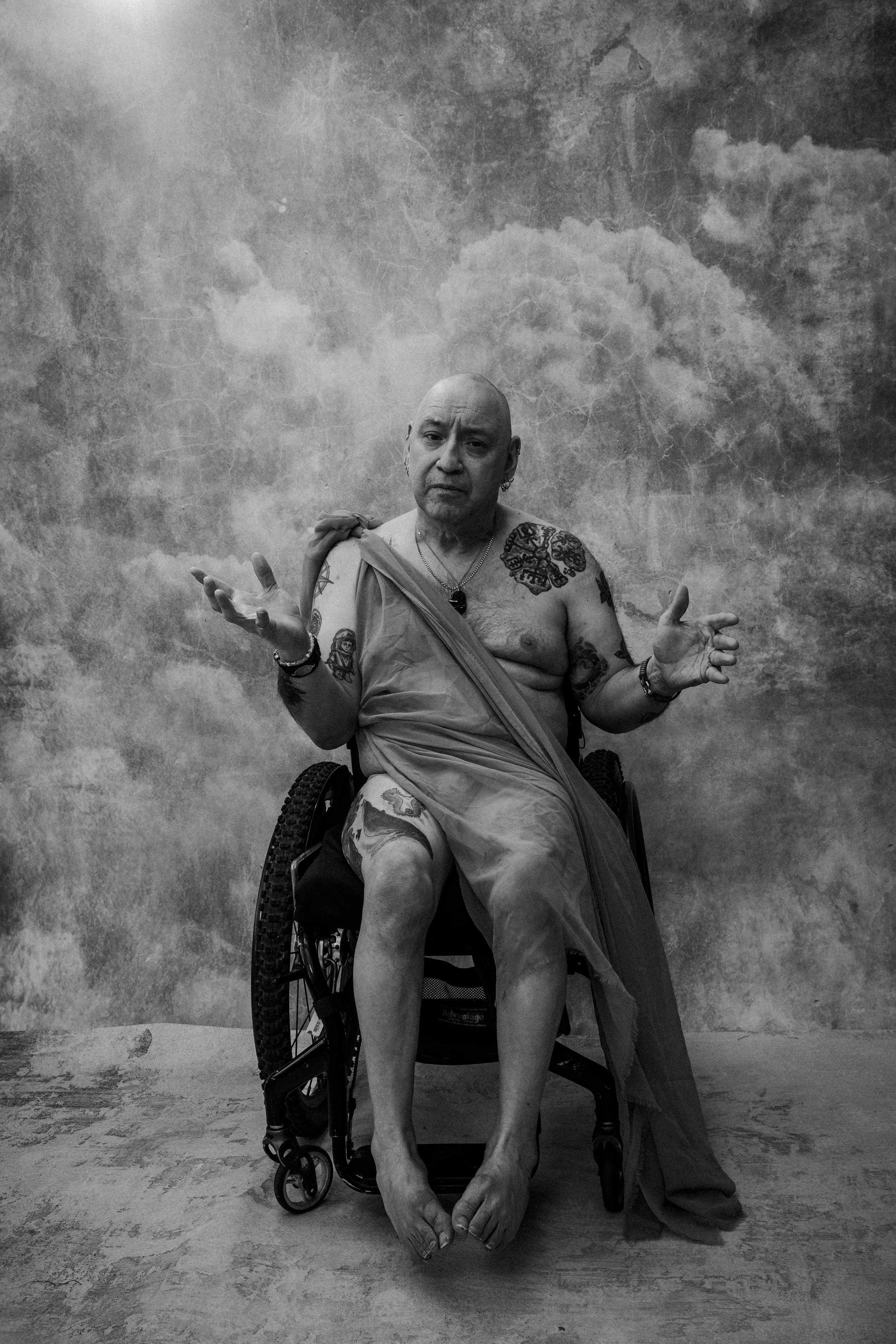
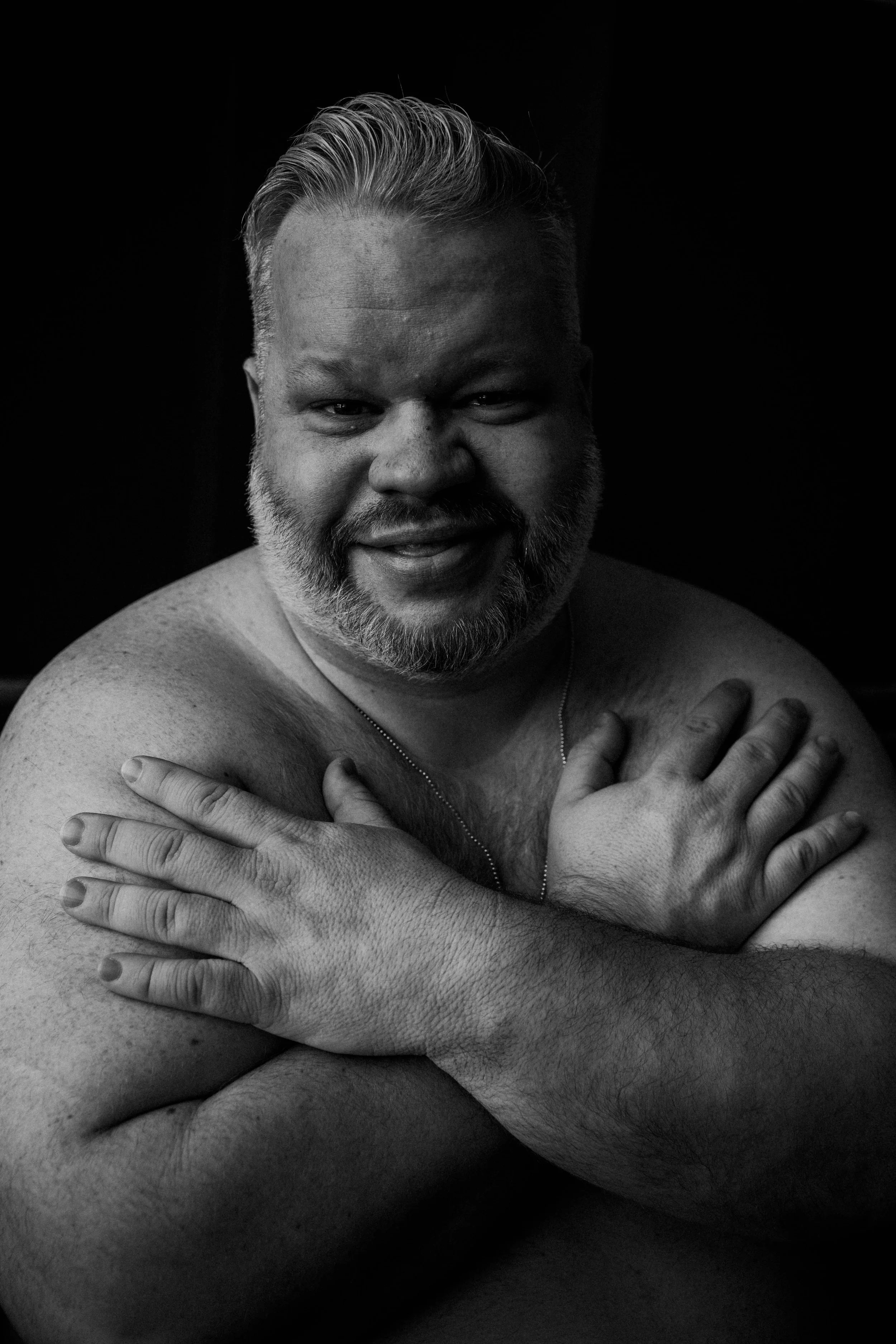
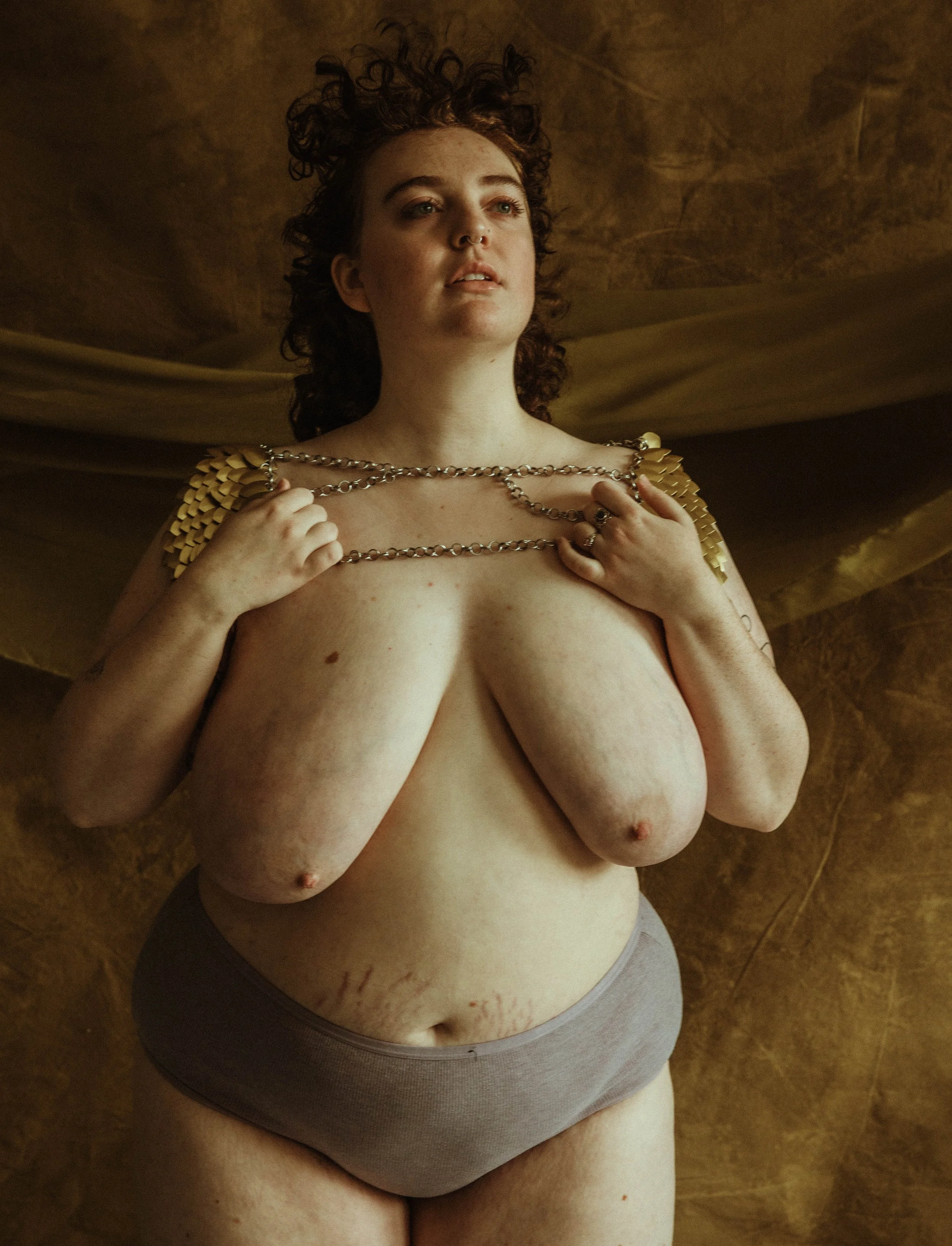
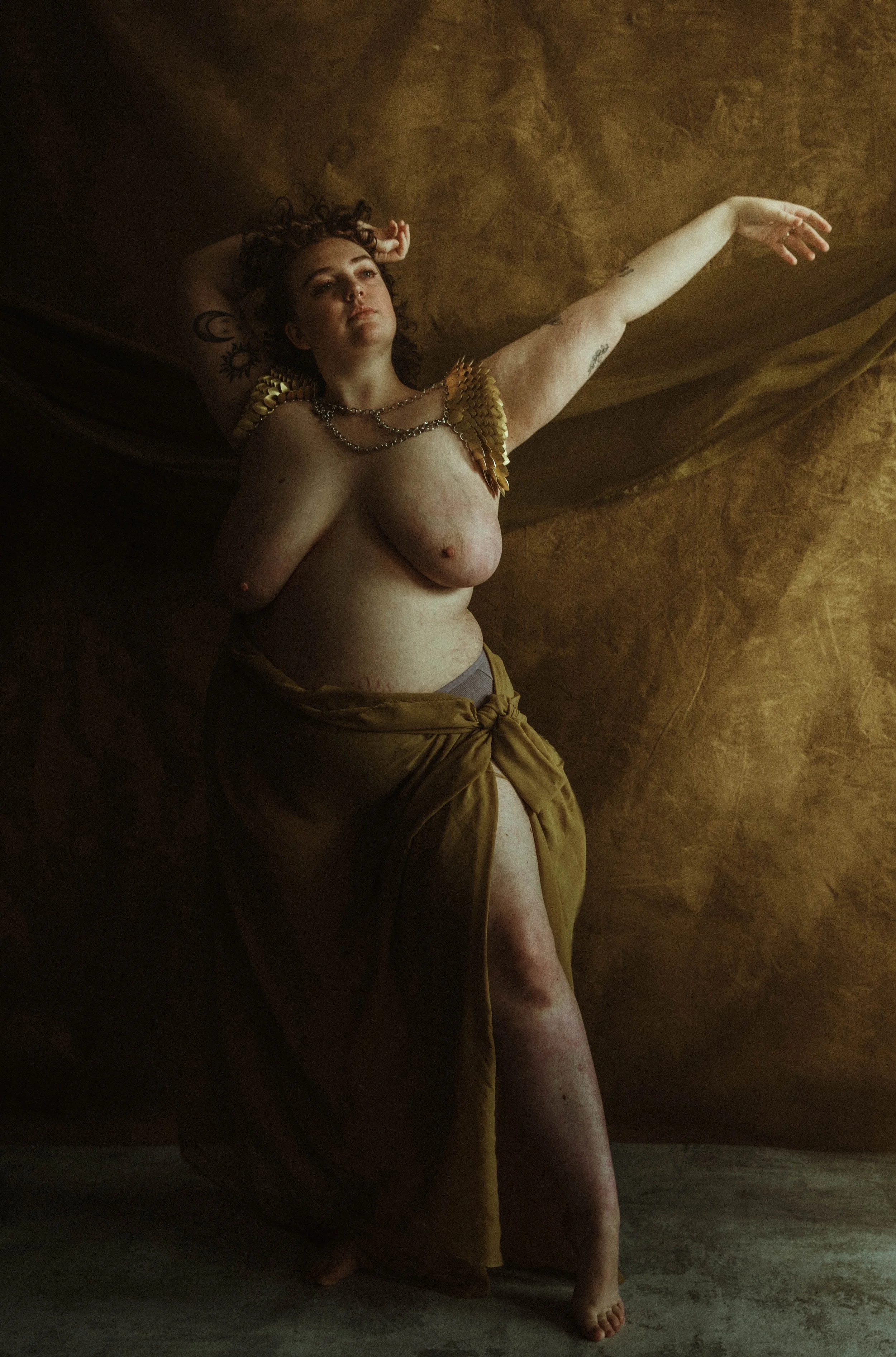
For someone who already understood how differently bodies could be treated, the absence of photographs showing her body mattered. It also raised a question about representation: if photographers were working with people whose bodies looked like hers, where were those images?
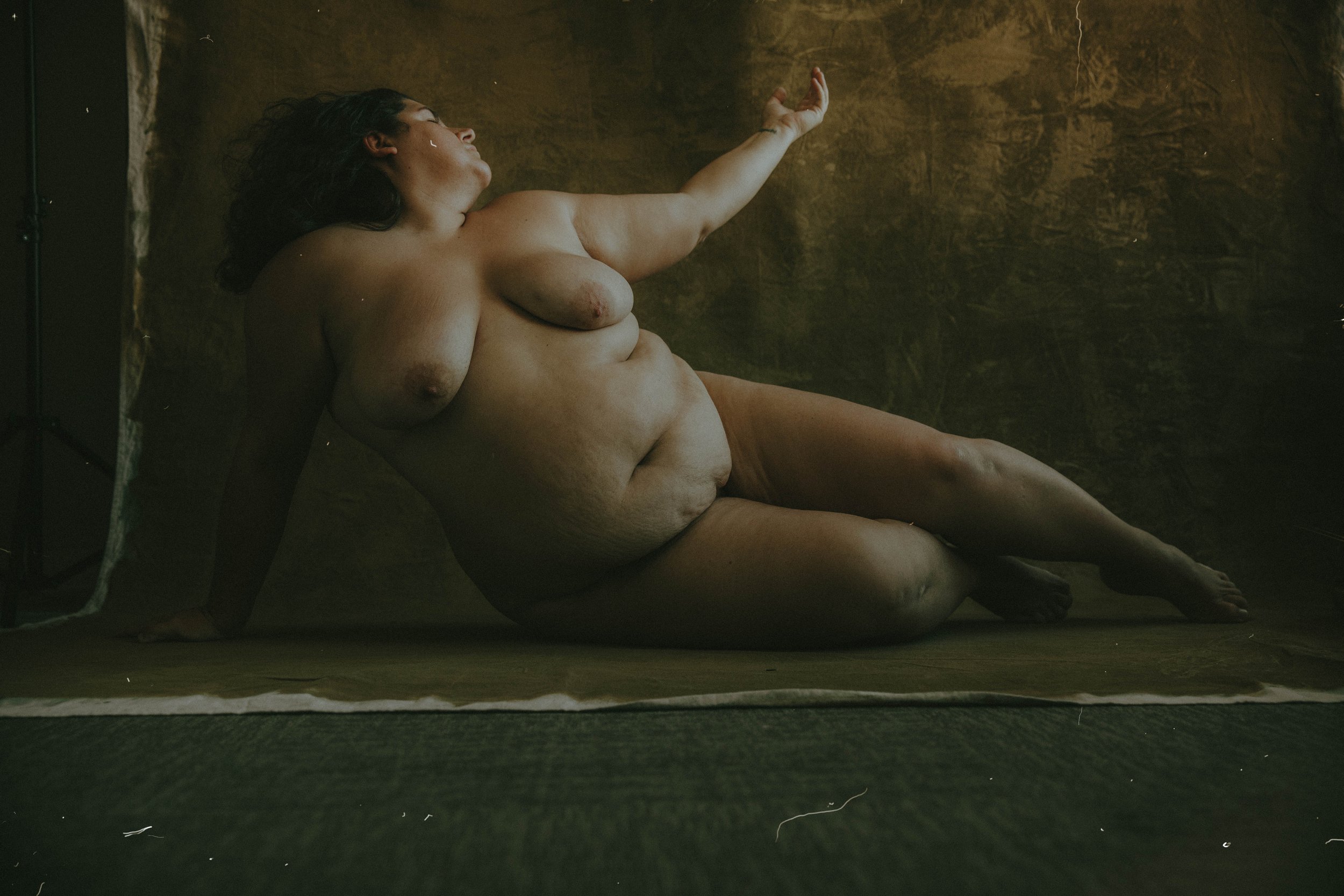
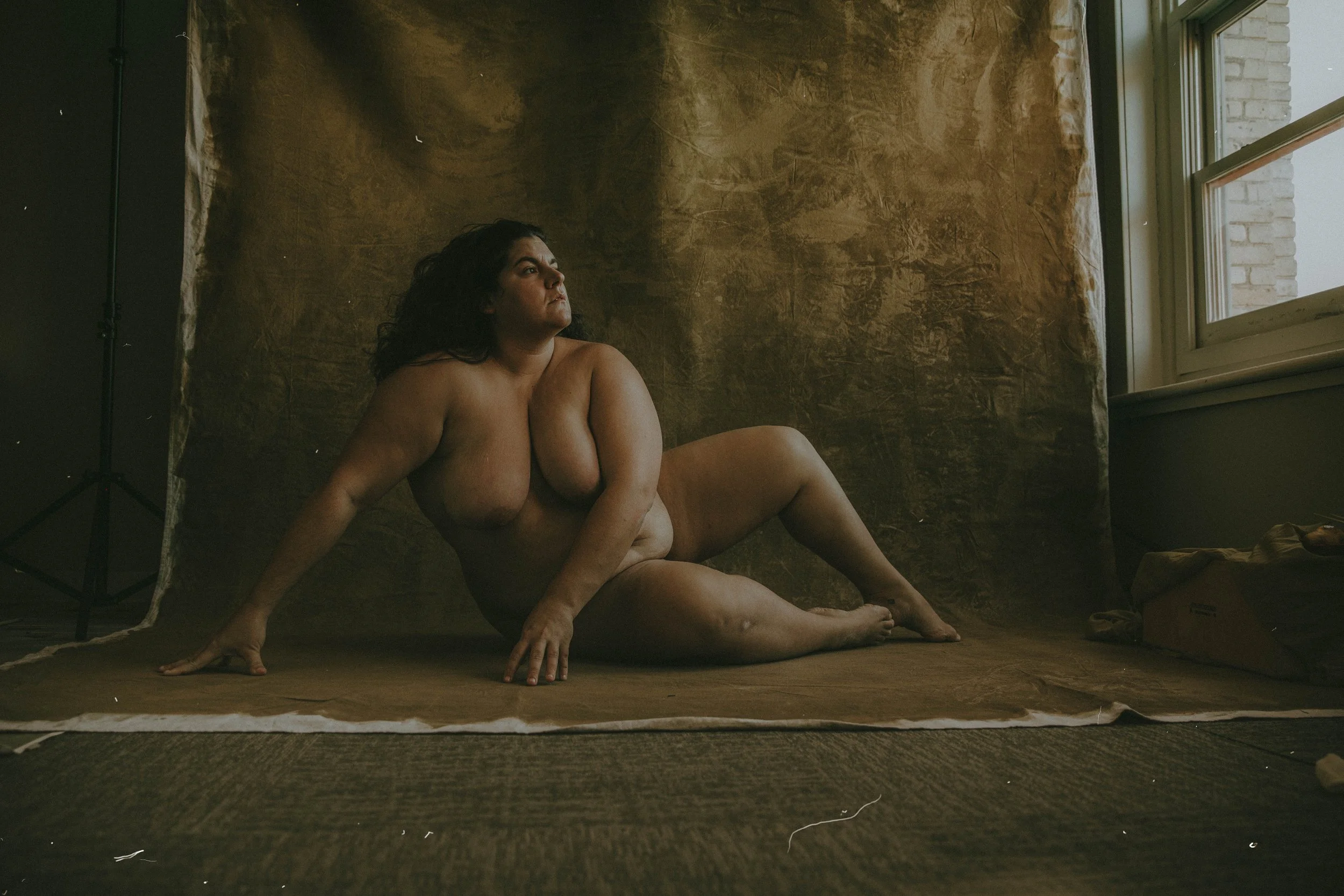
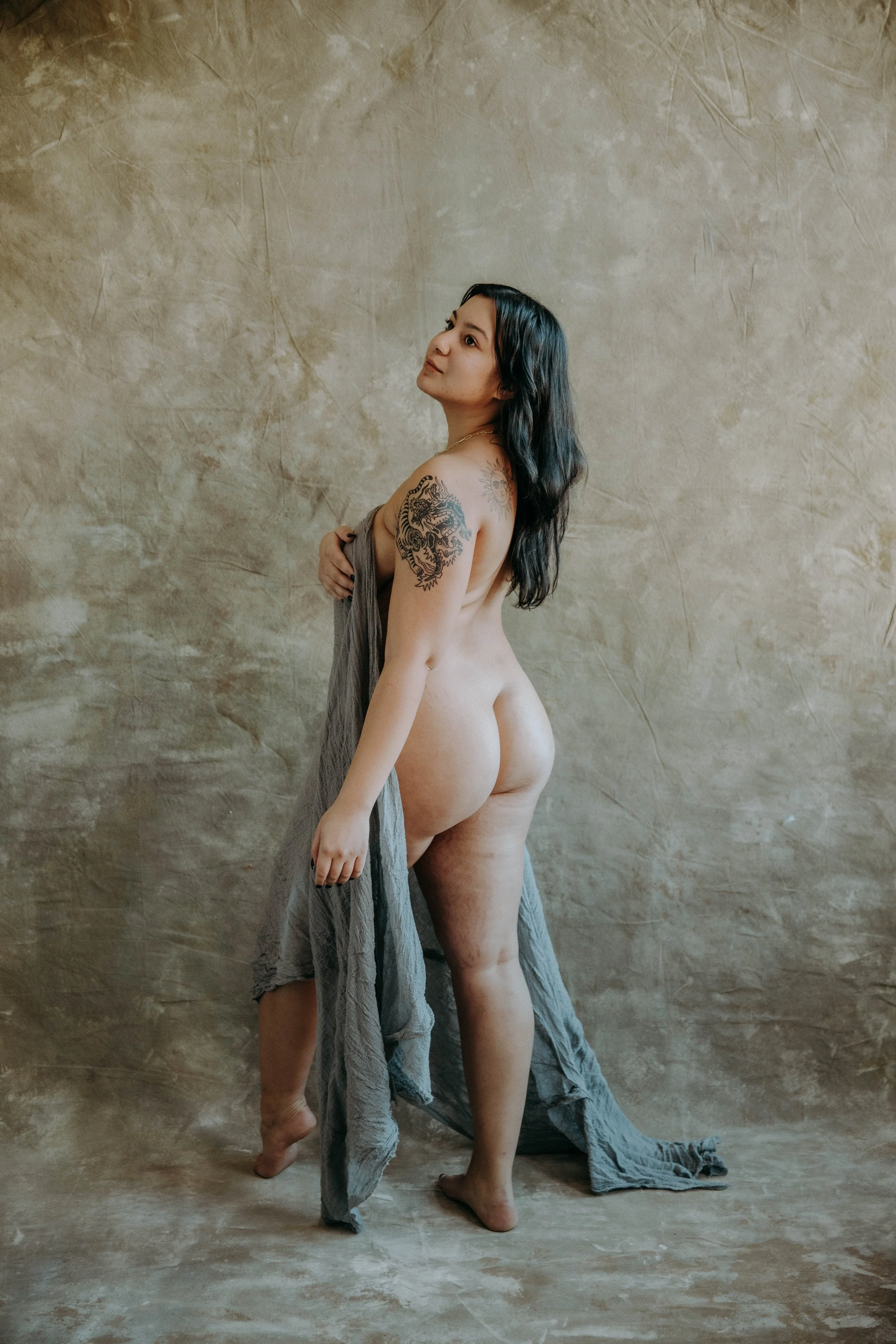
“If people were photographing bodies like mine, they weren't showing them so I began to photograph as many bodies & humans as possible!”
That experience helped shape a commitment to photographing a broader range of people. It also made clear that the images photographers choose to share communicate something about who belongs in front of their cameras.
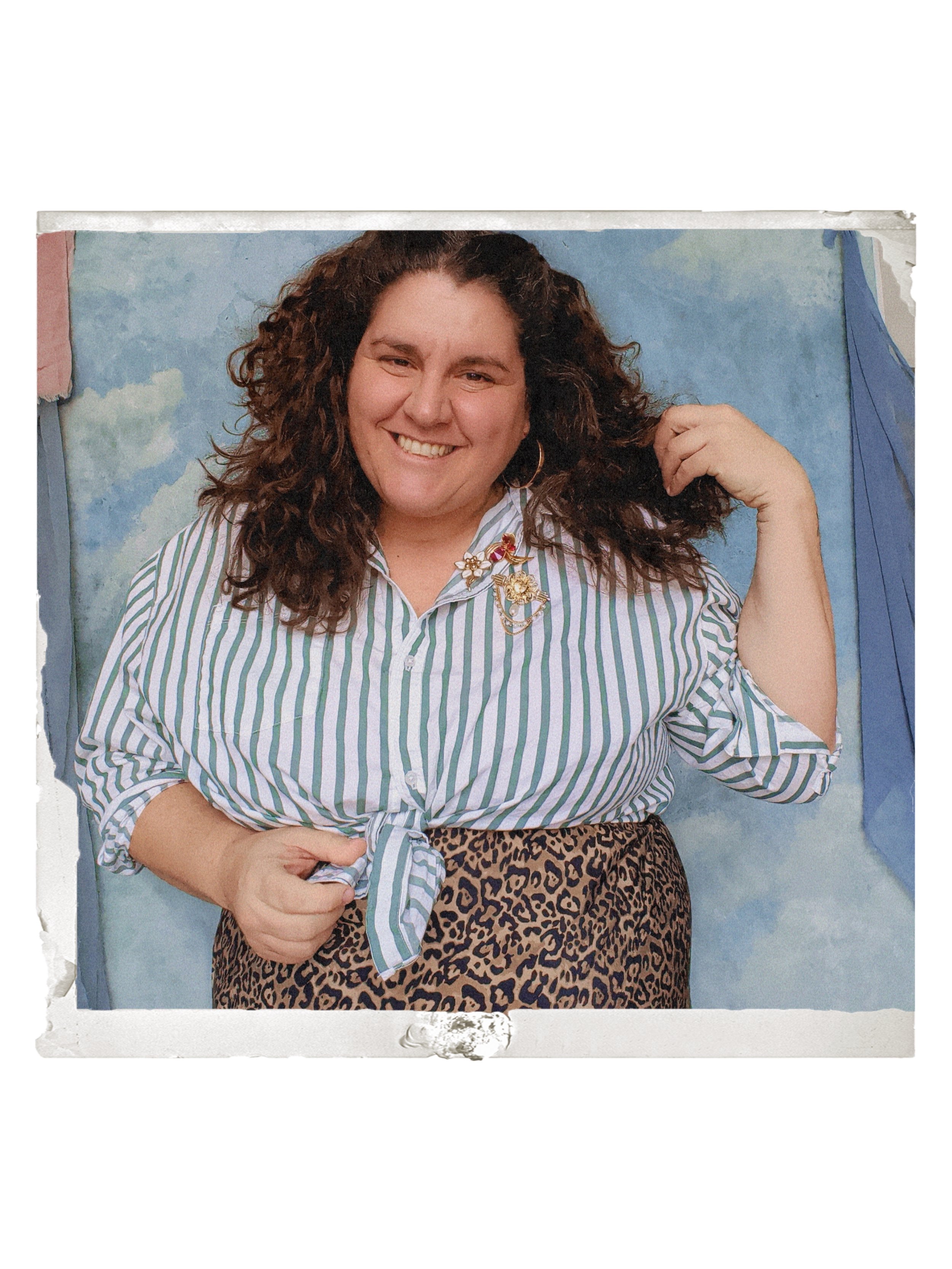
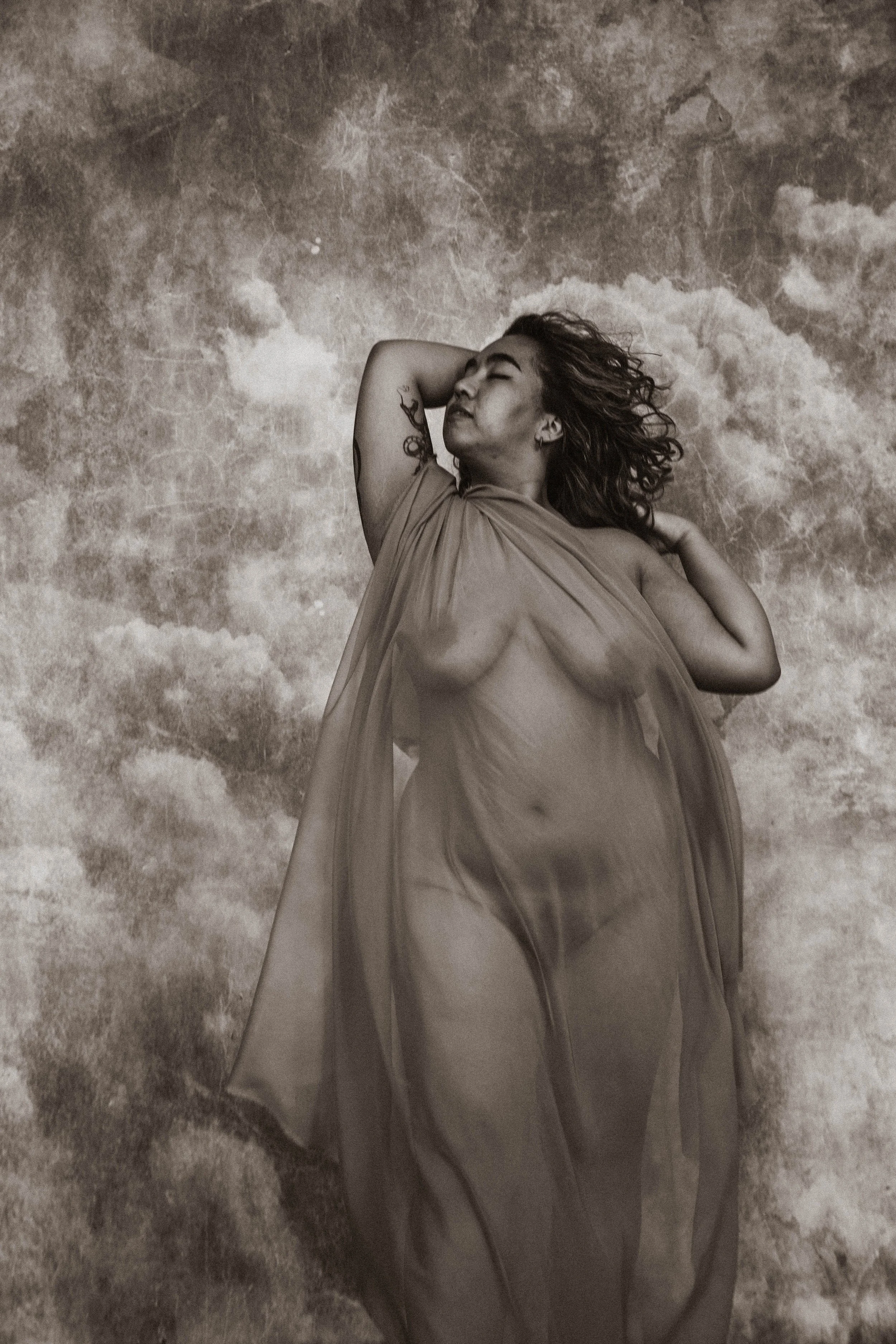
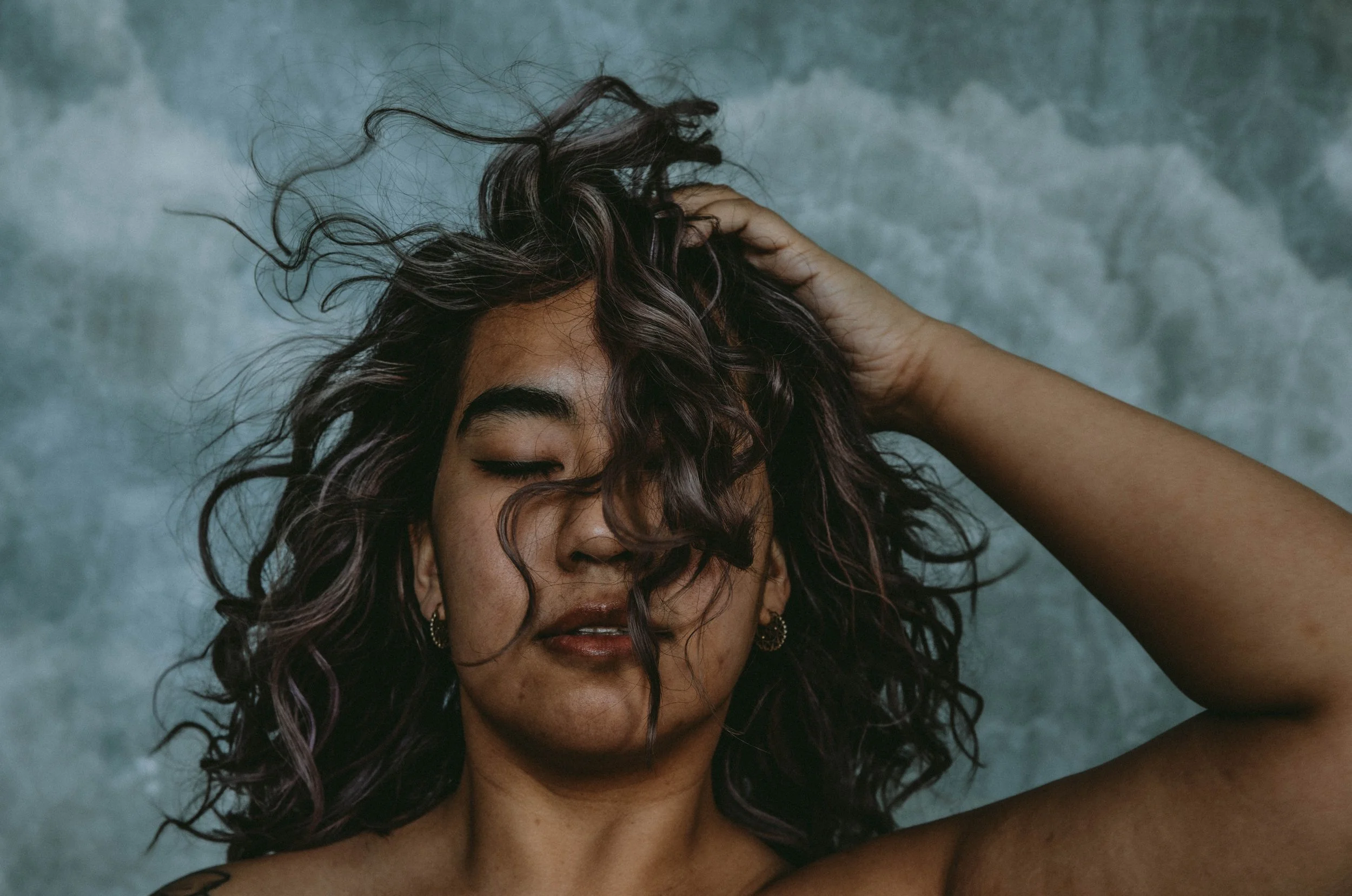
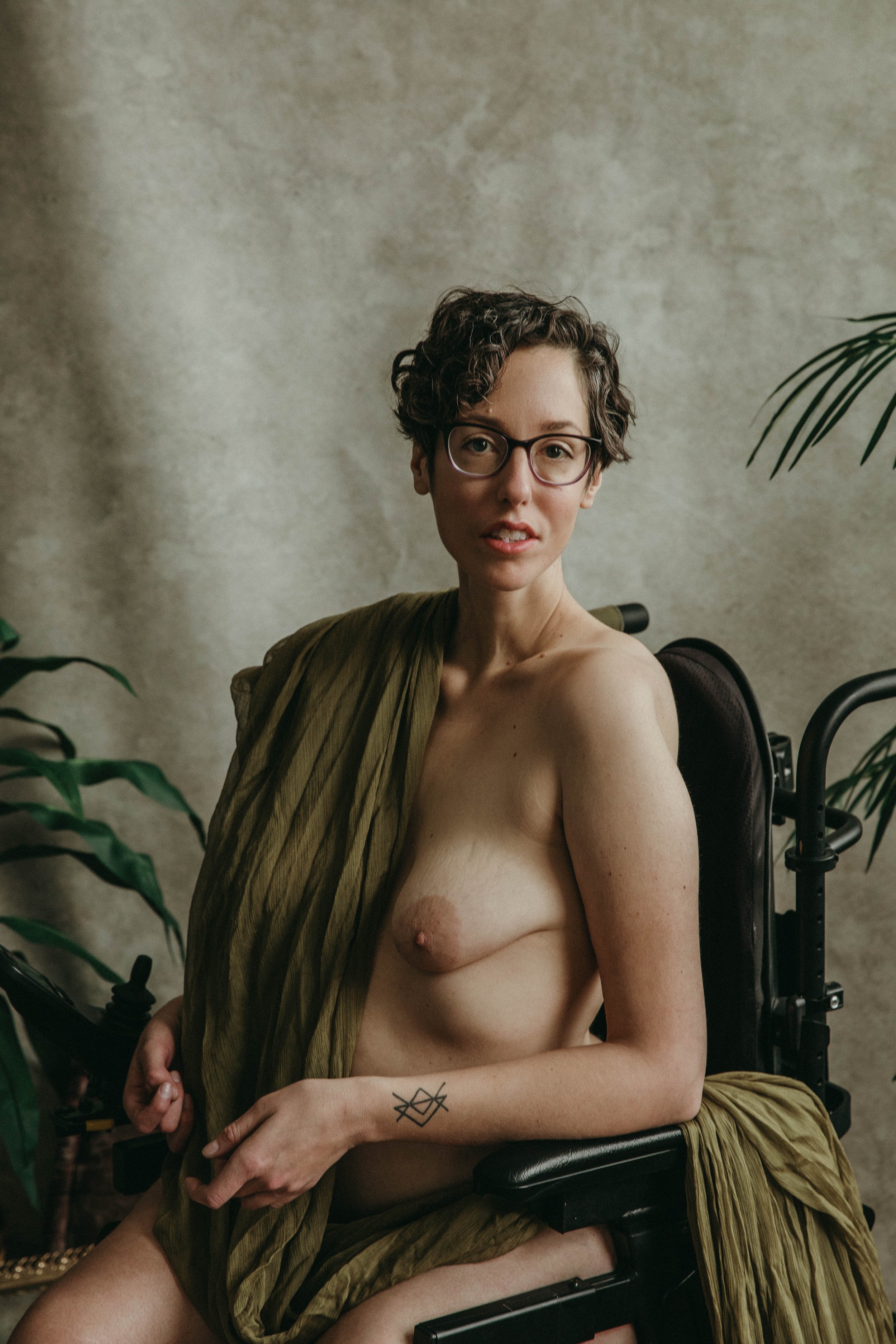
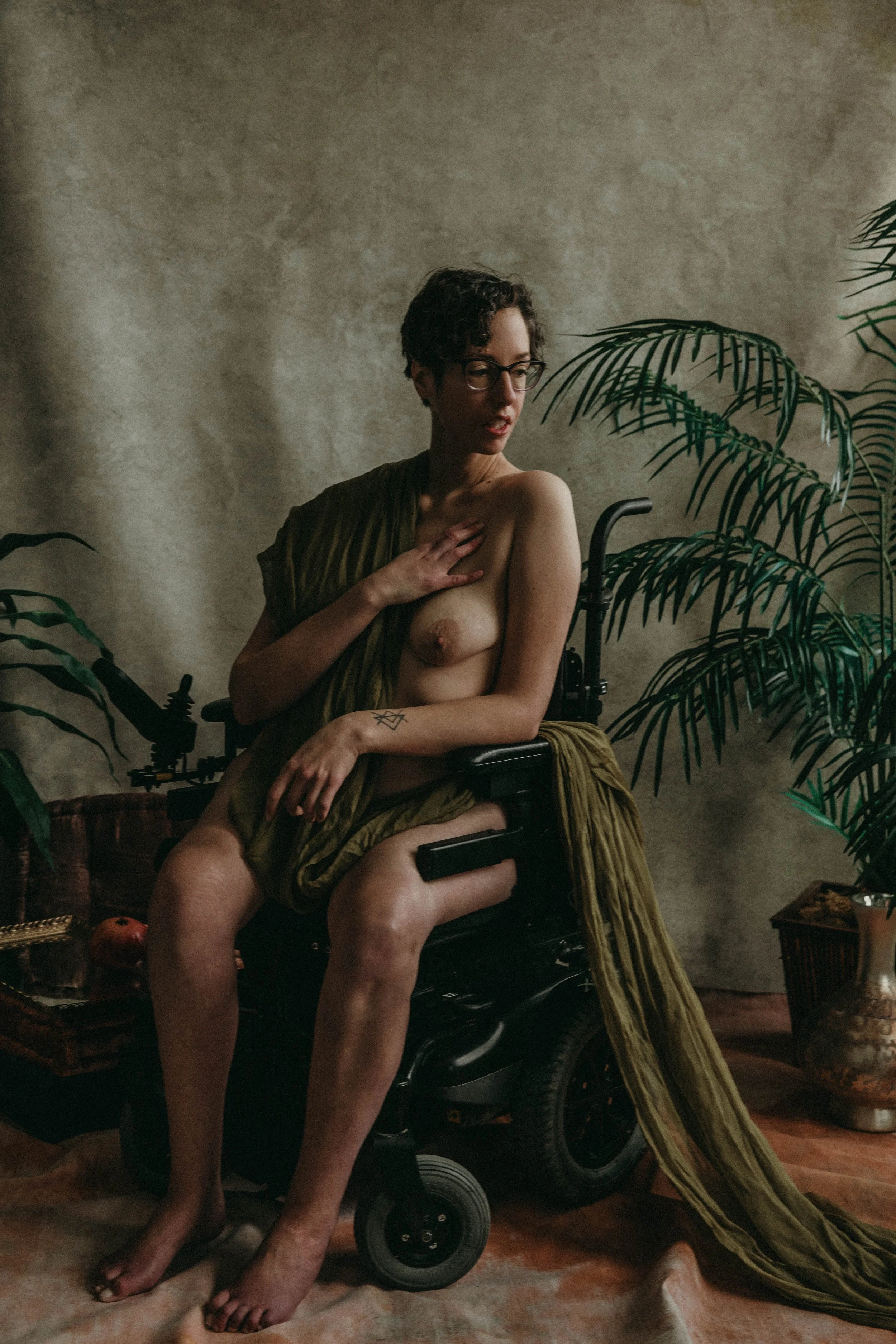
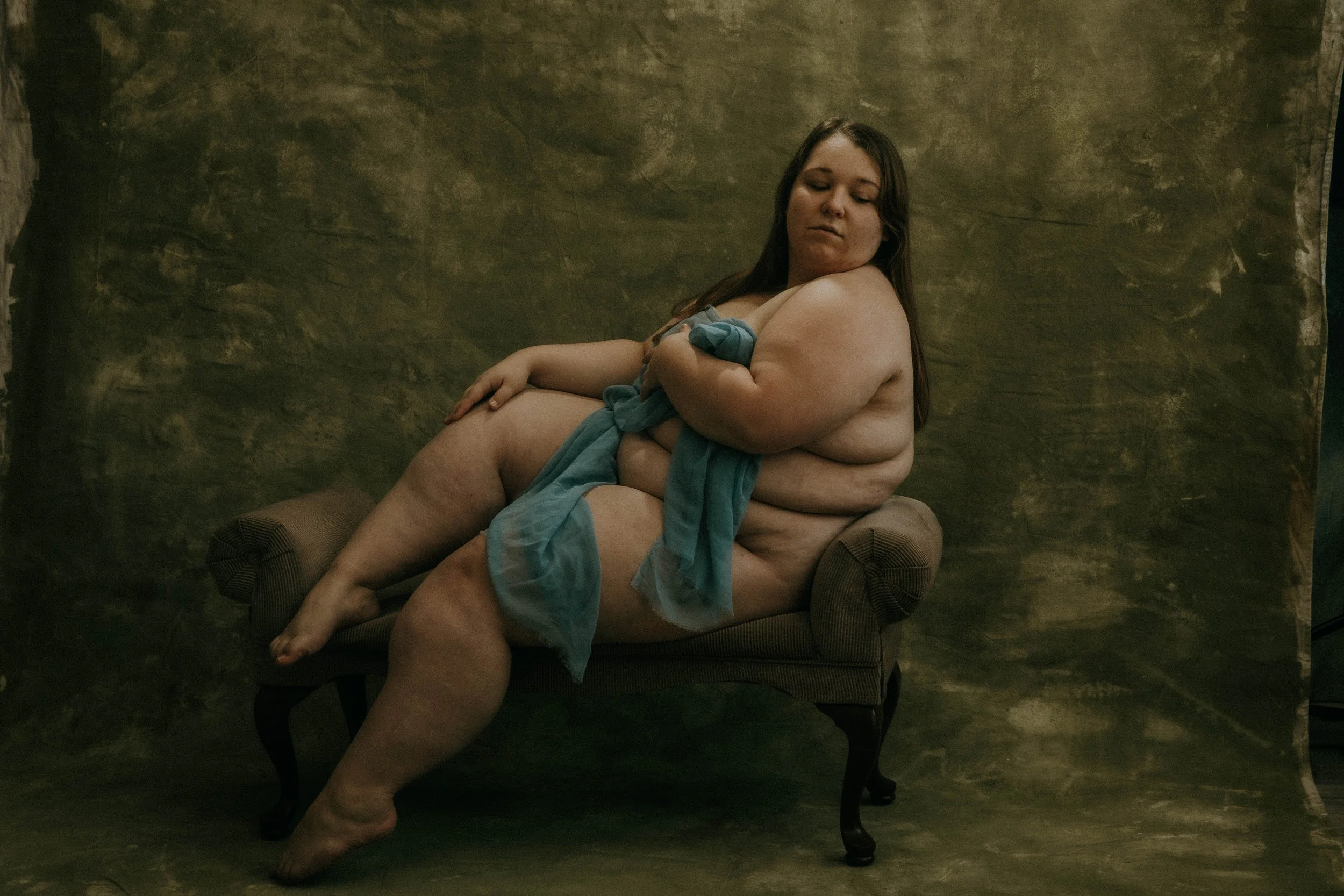
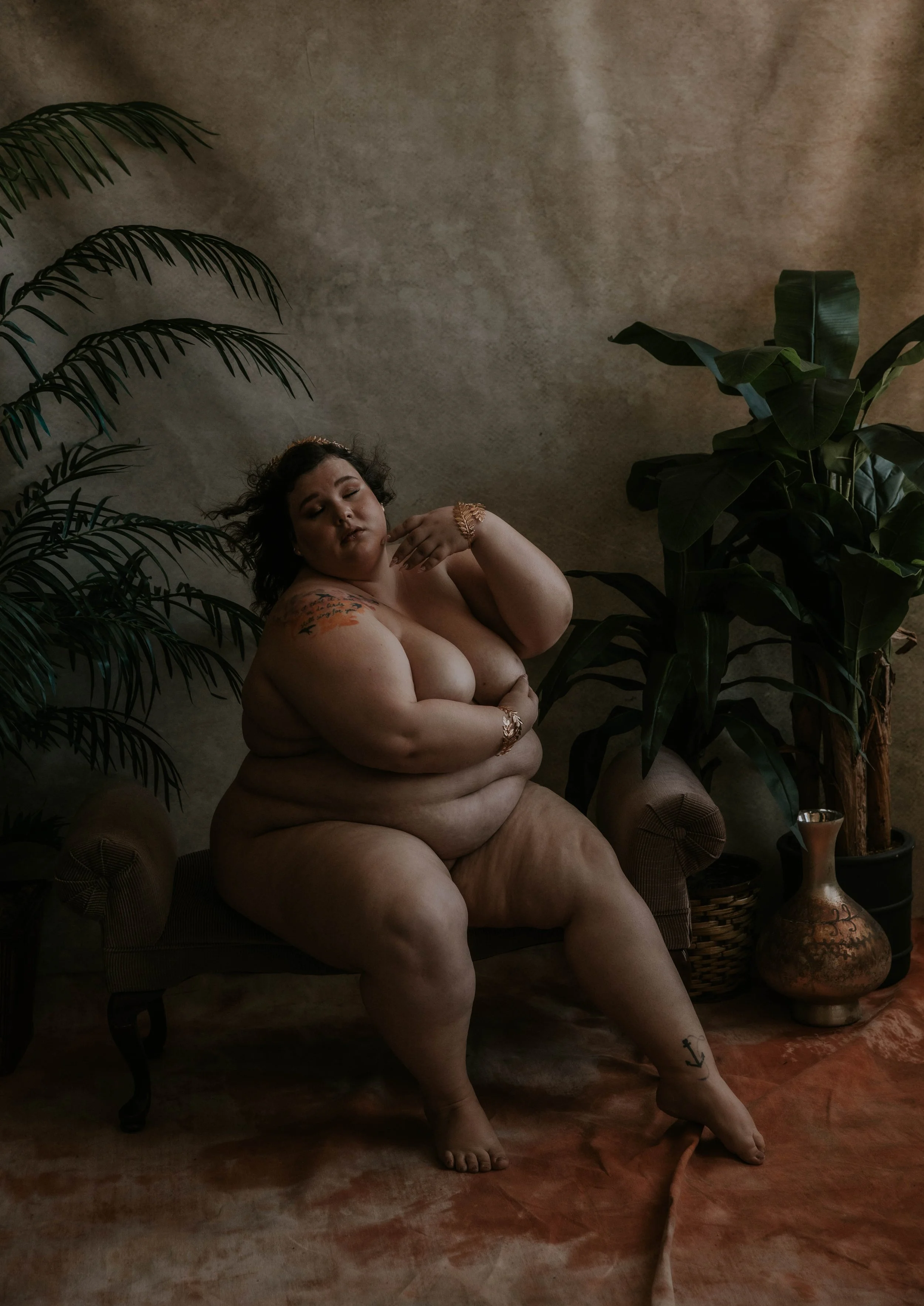
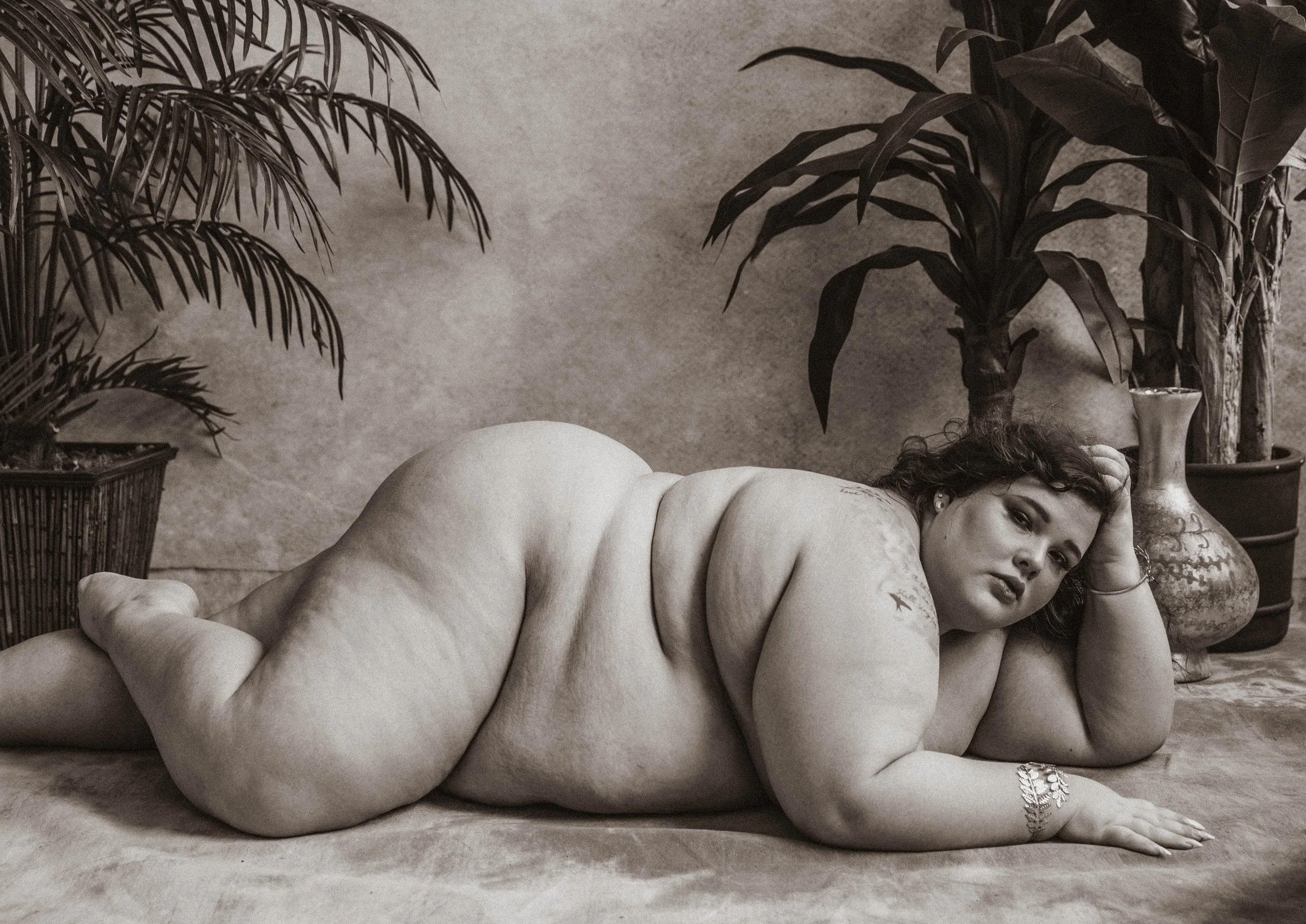
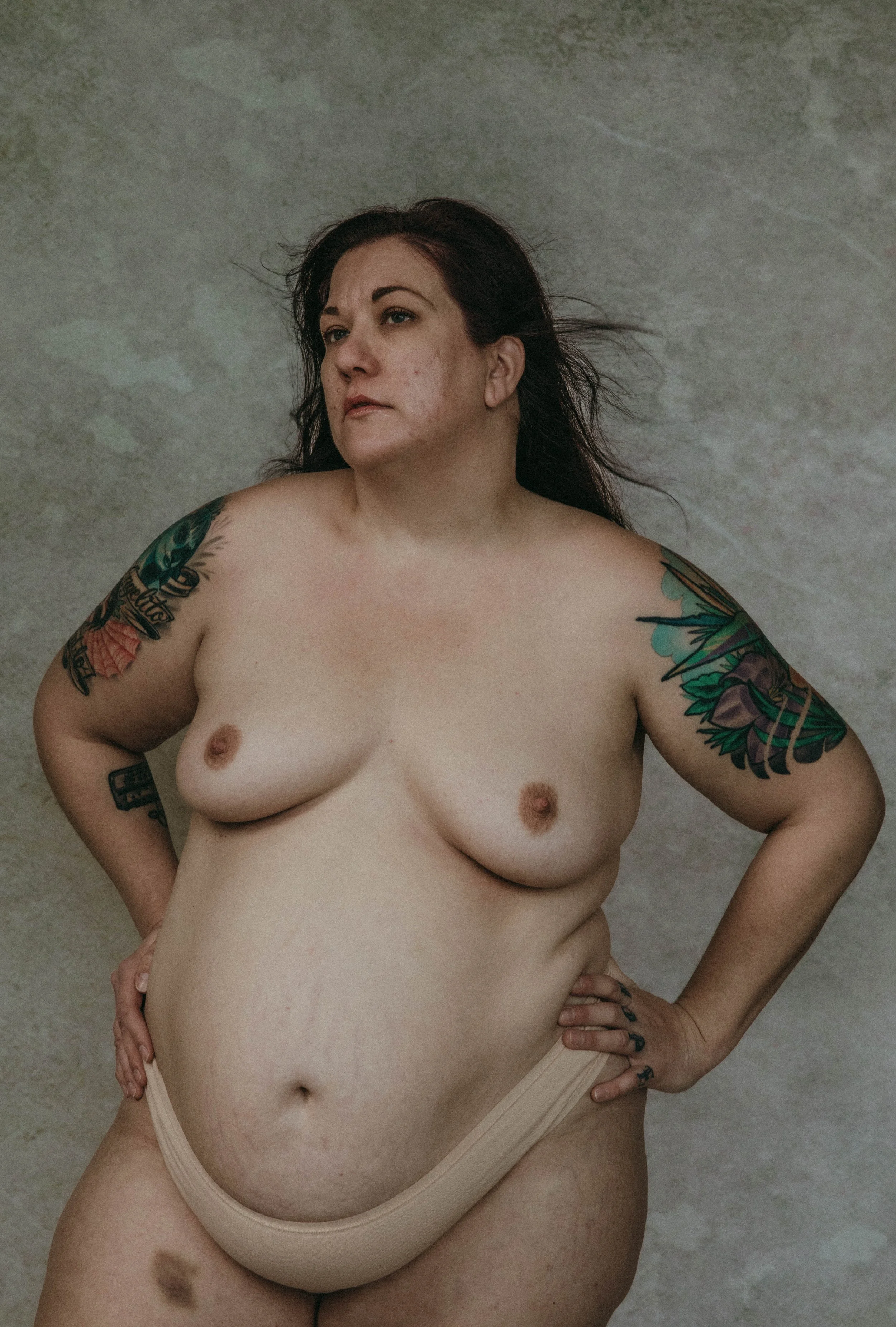
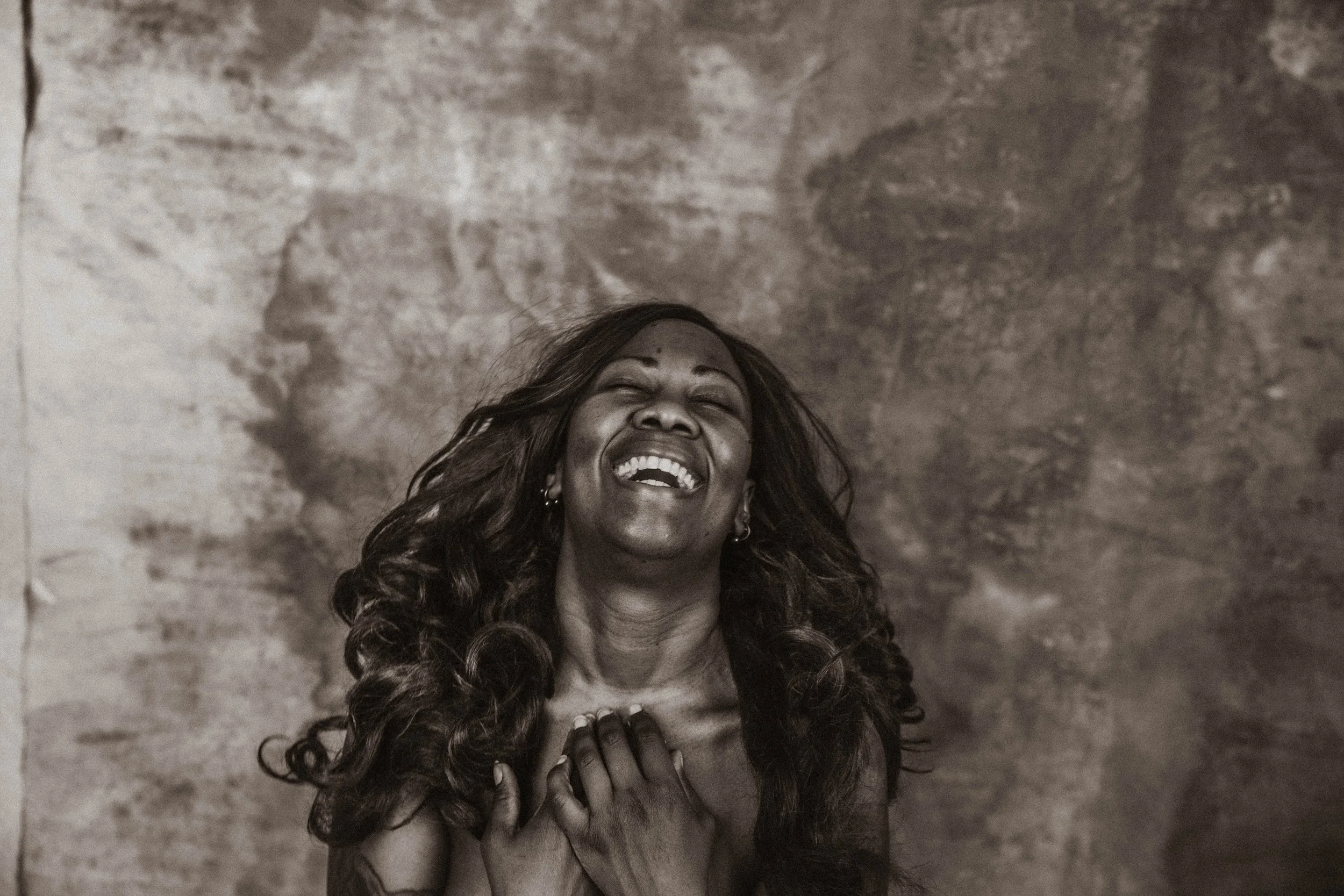
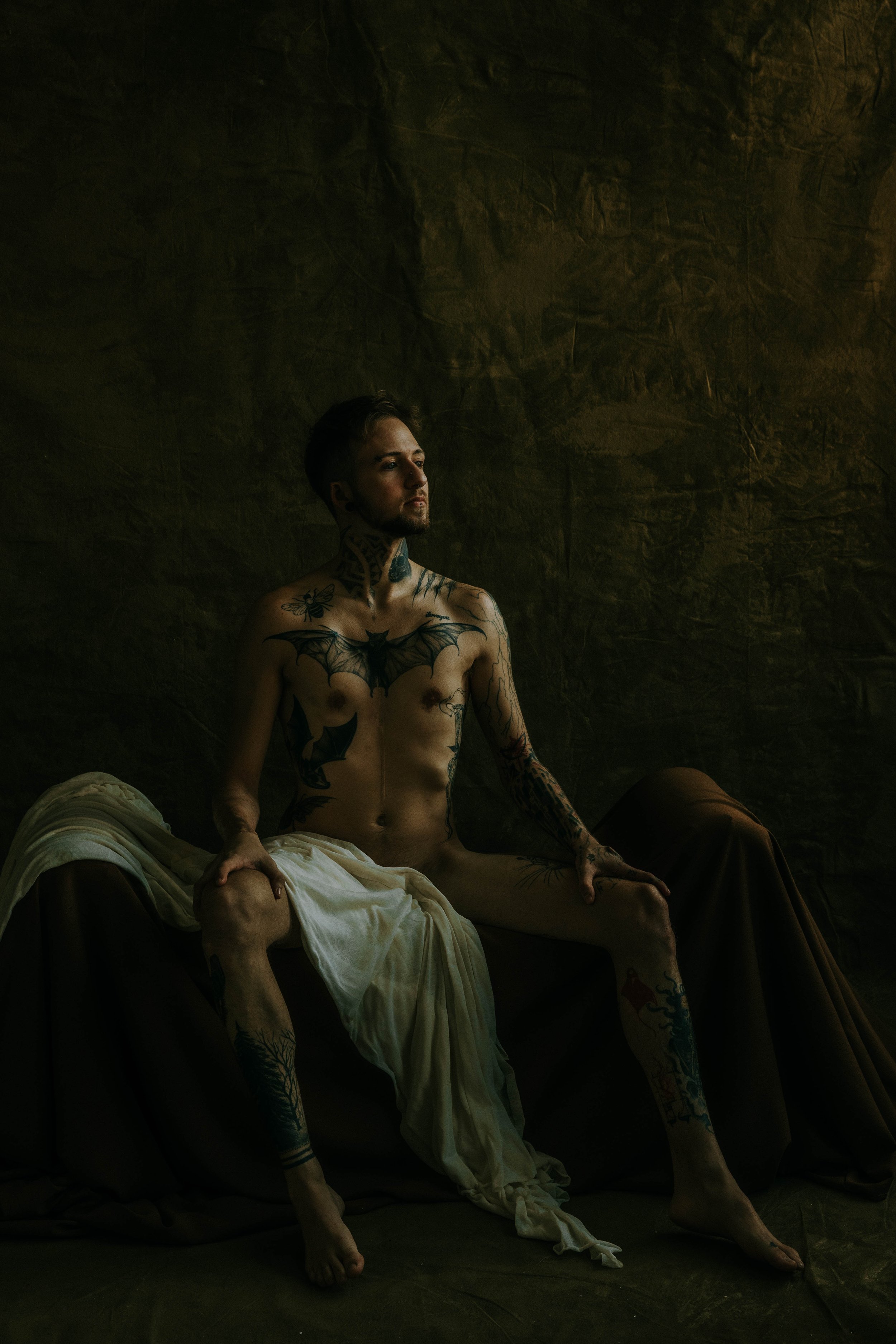
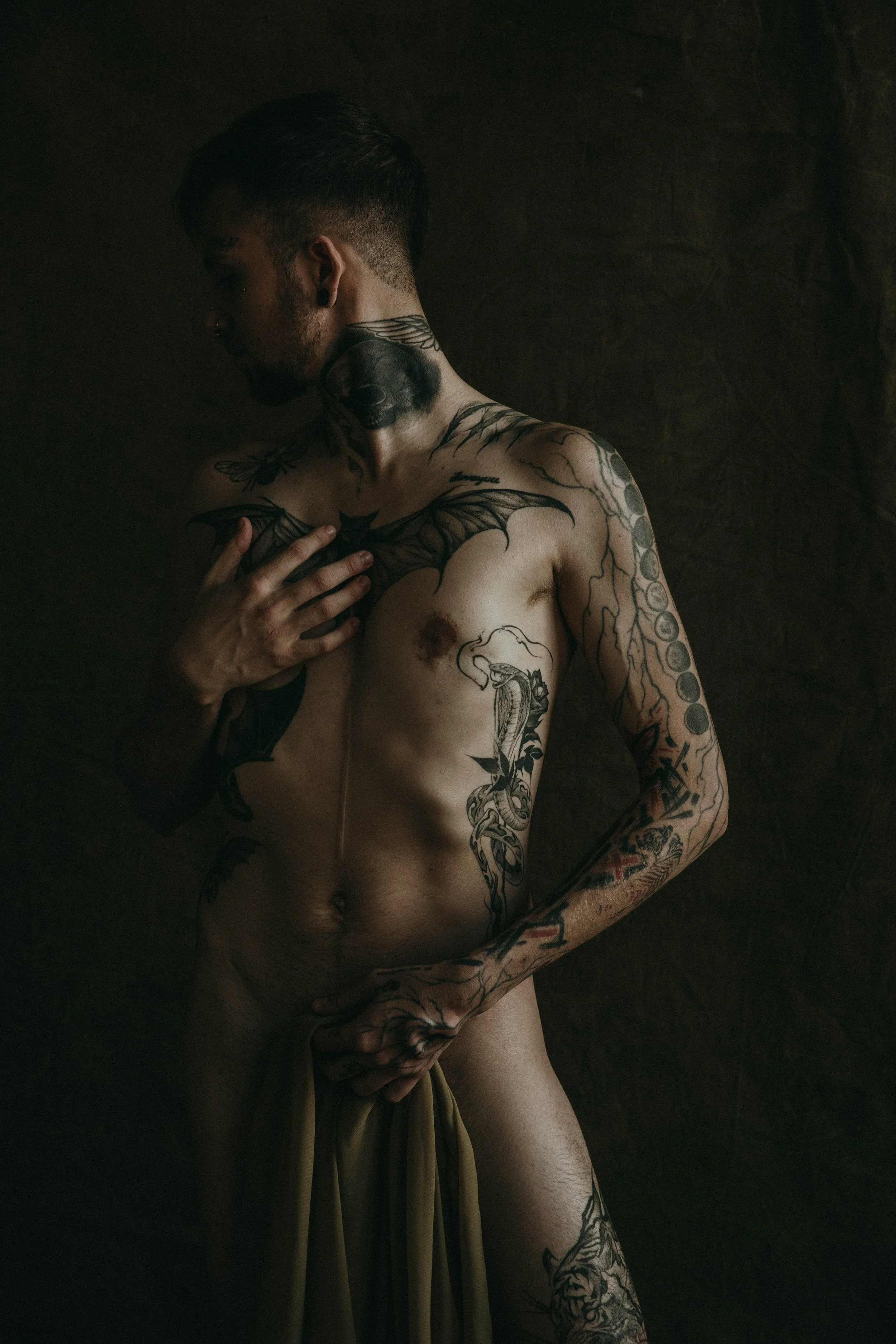
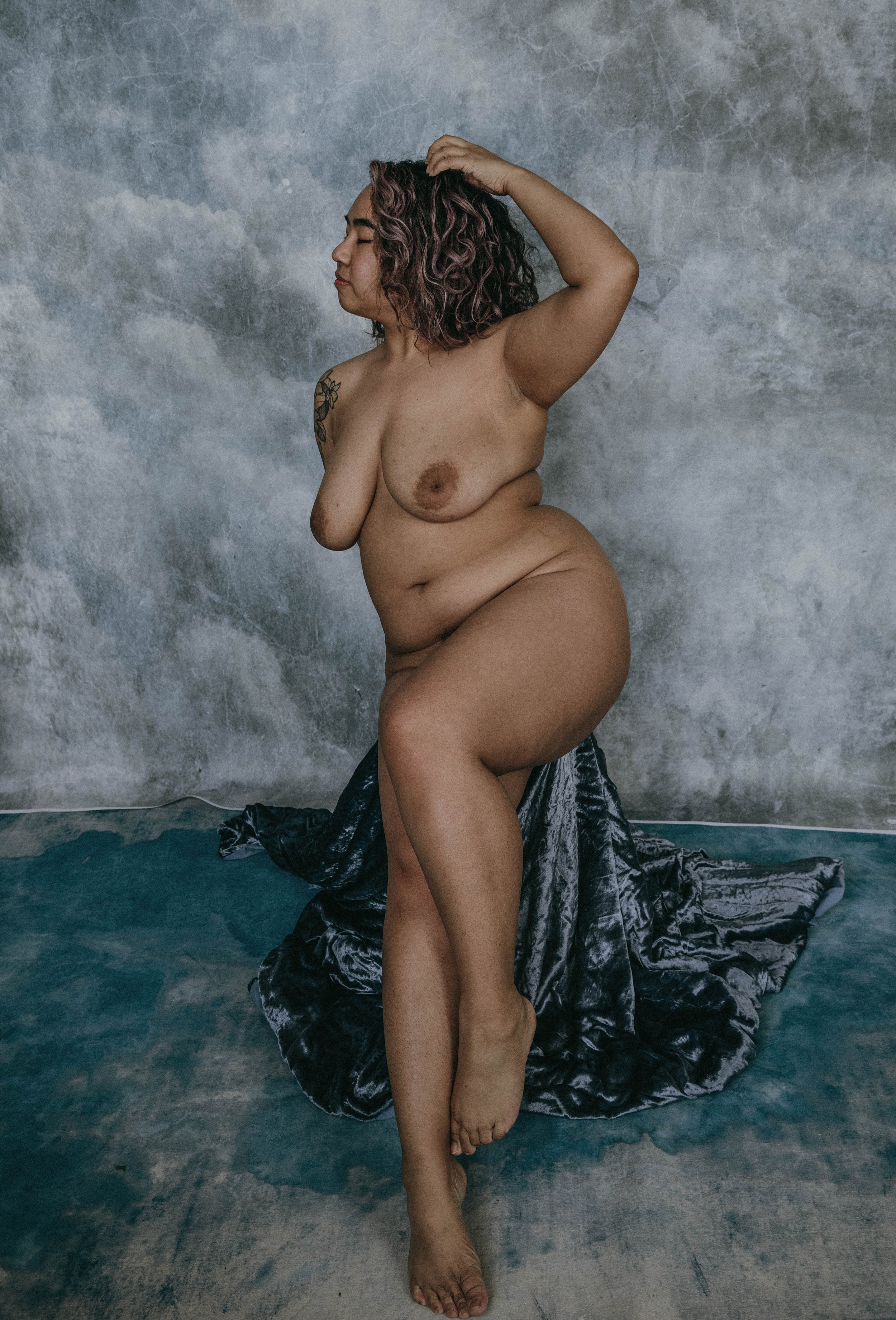
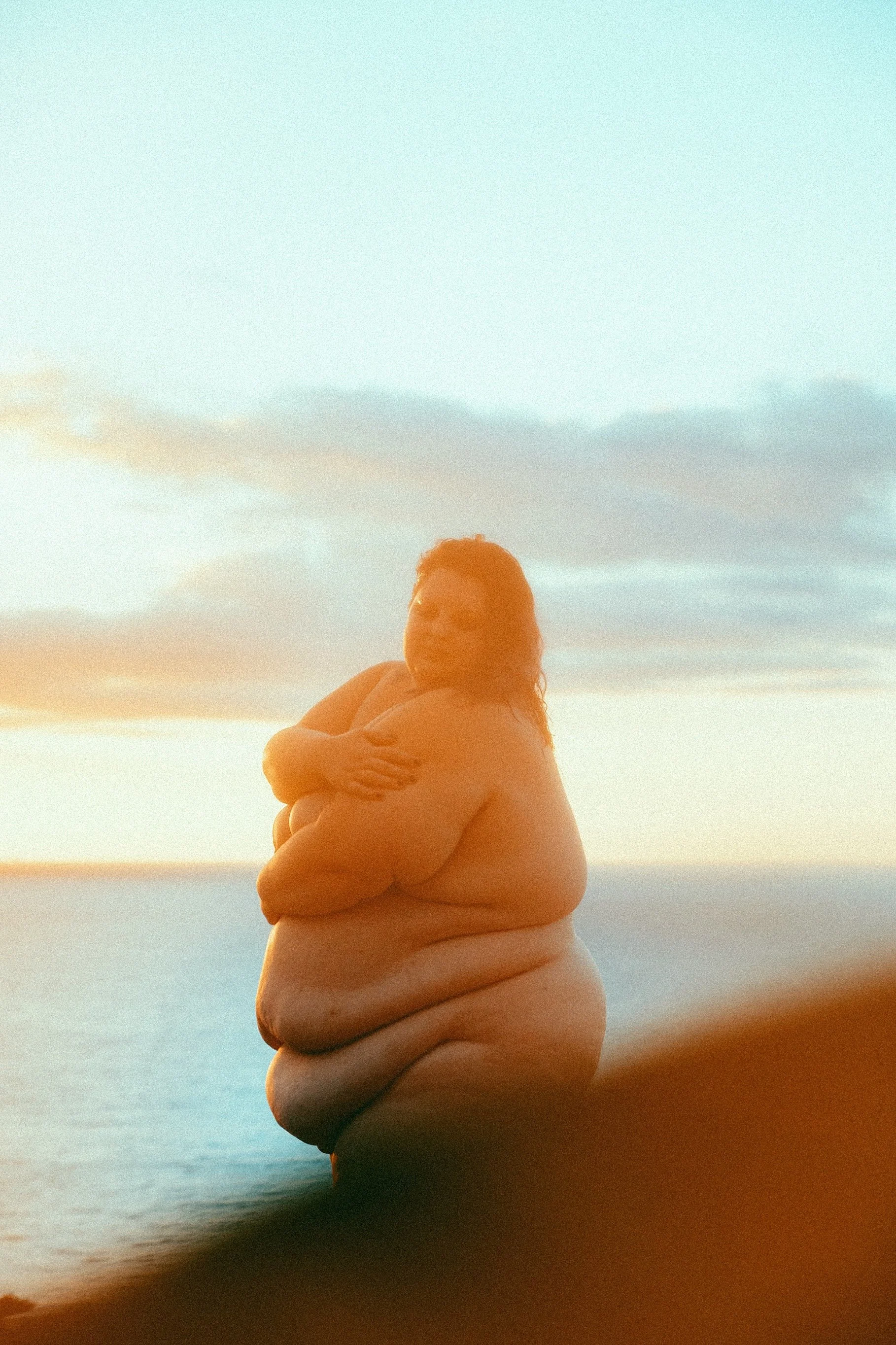
A welcoming statement on a website has limited meaning if the portfolio tells a narrower story. Teri asks photographers to consider whether the people visible in their work reflect the inclusivity they describe.
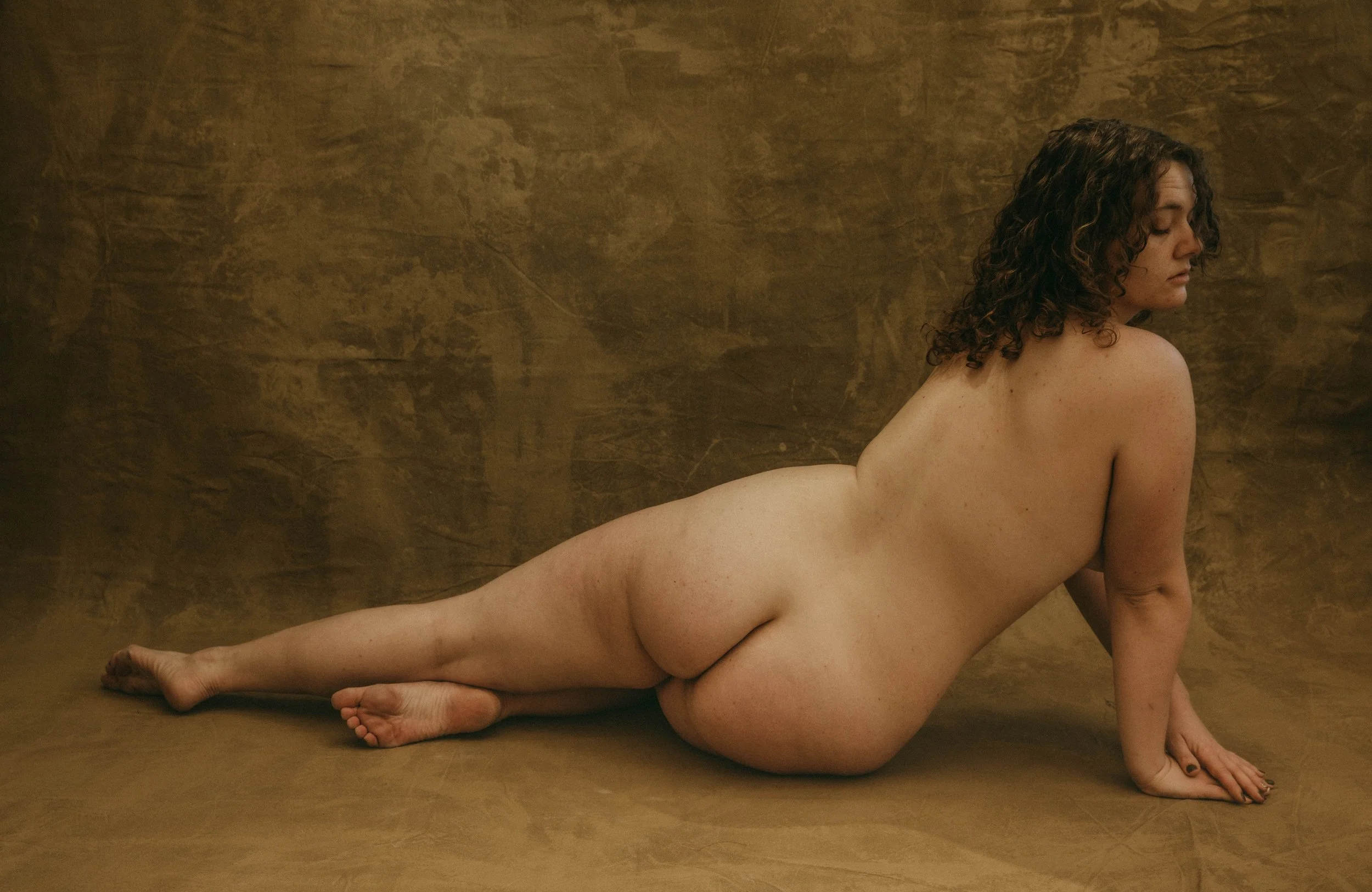
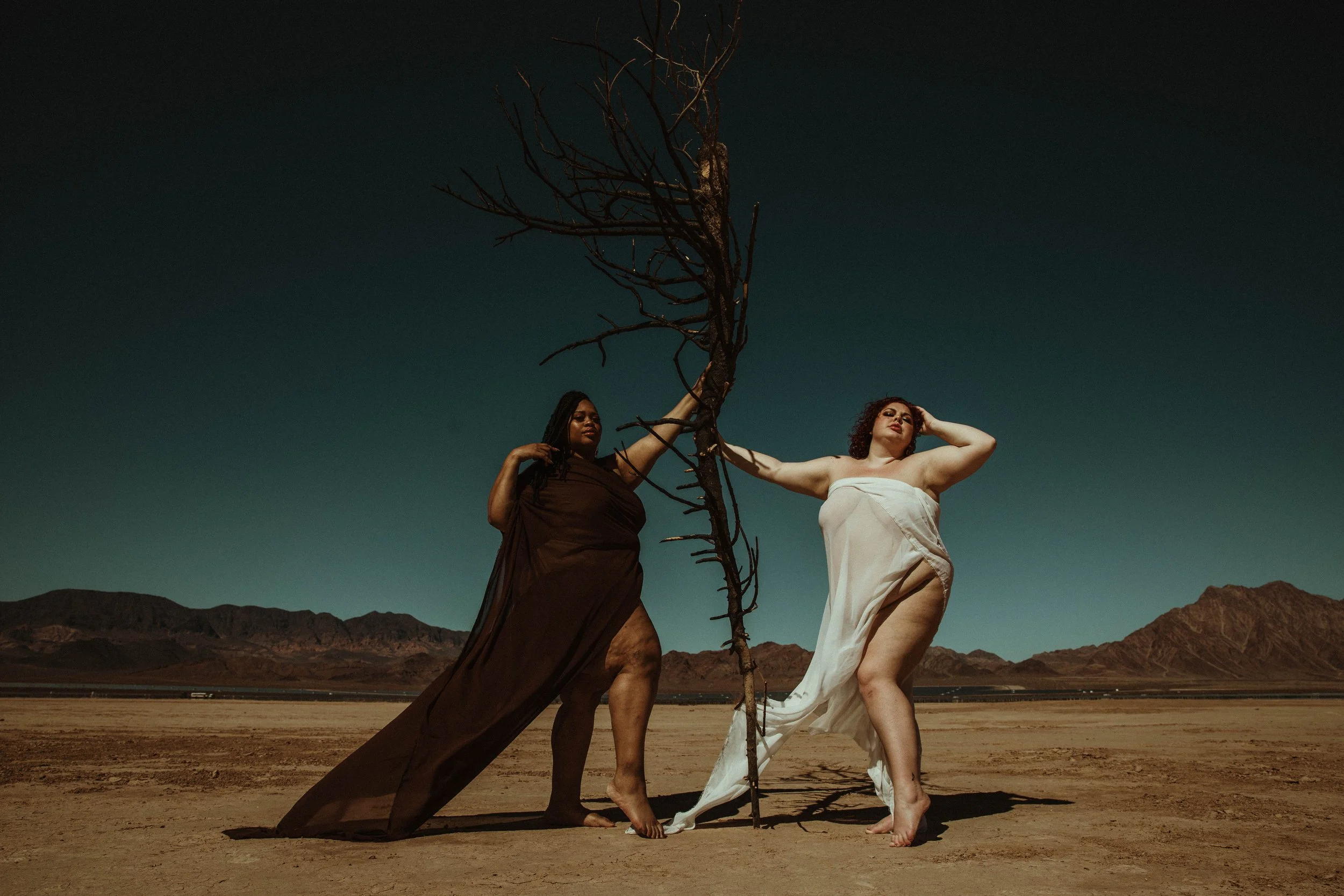
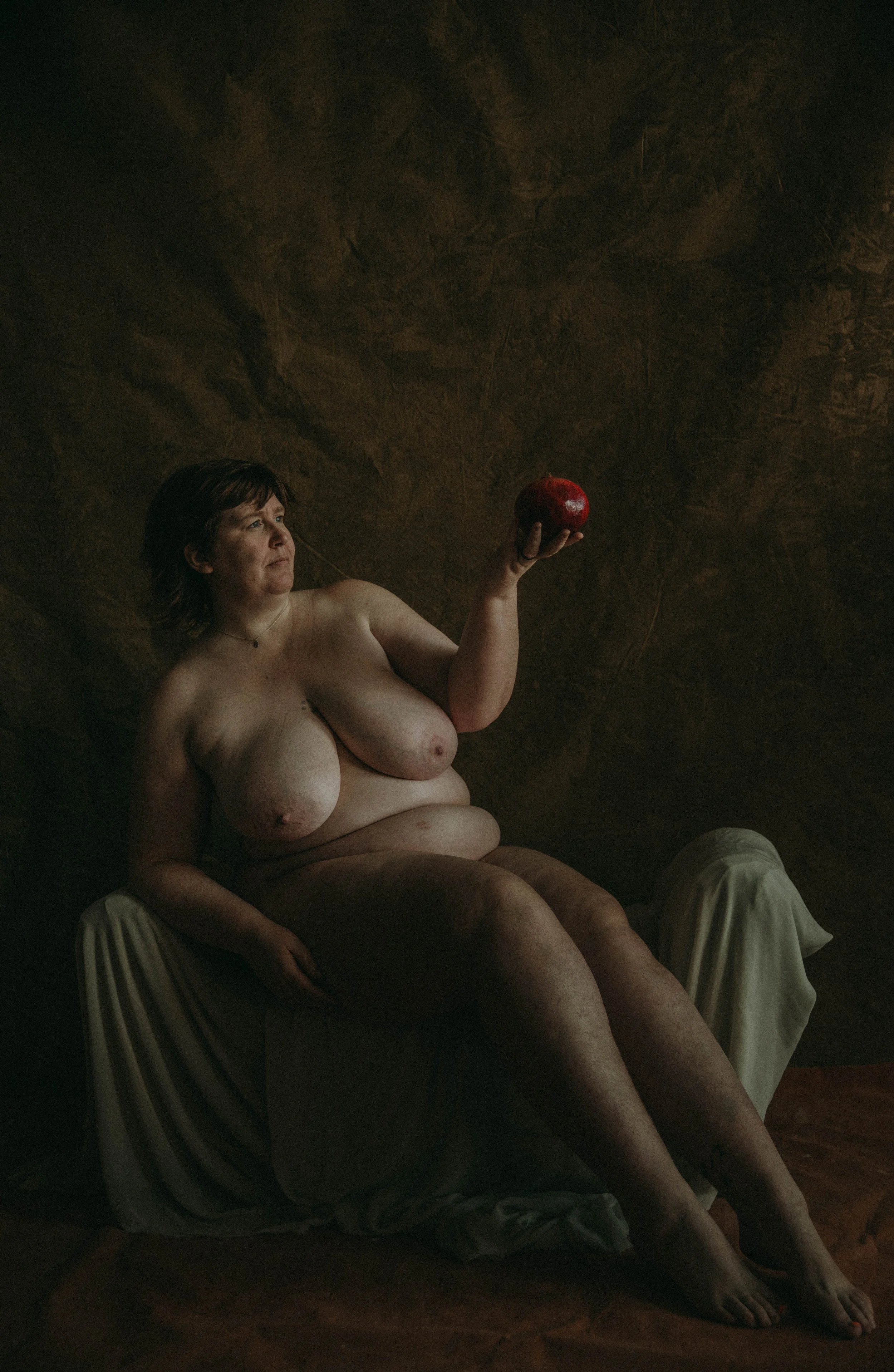
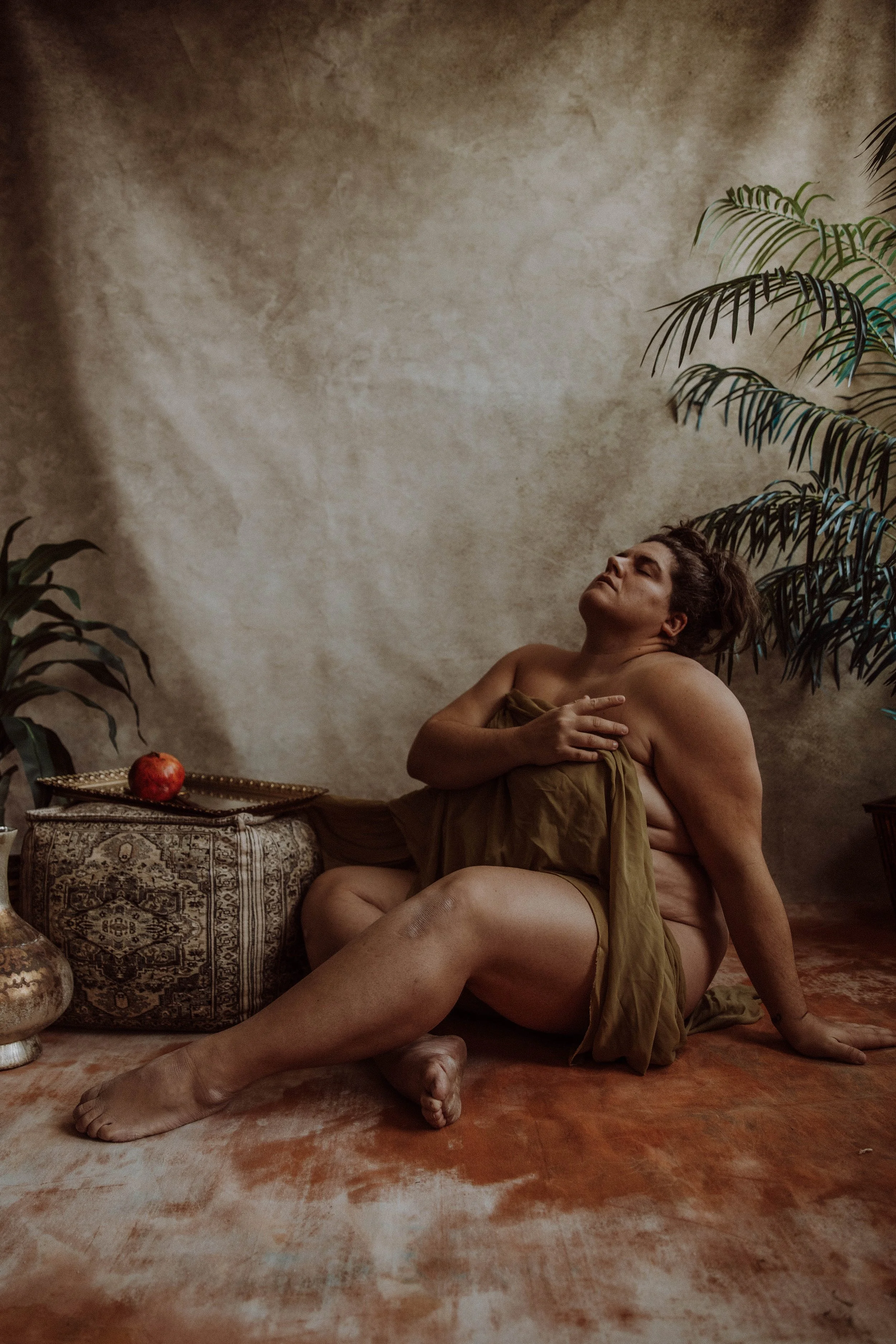
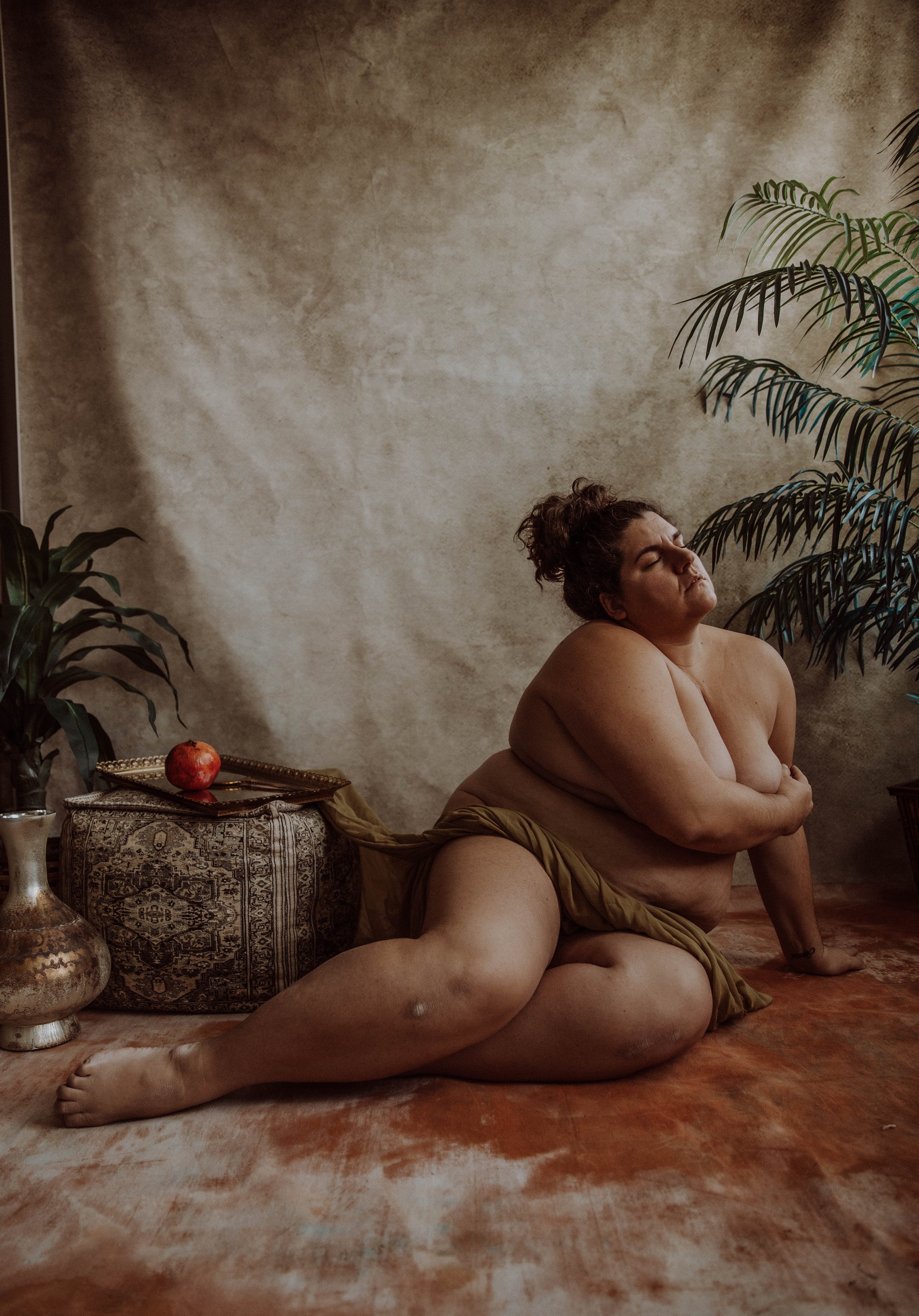
“Don't say ‘every body is beautiful’ and only show thin, young, able bodied, white women.”
The invitation needs to be visible in the photographs themselves.
Get Curious Before Offering Reassurance
When a client feels uncomfortable in their body, a photographer may instinctively reach for a compliment. Teri encourages an earlier and more attentive conversation.
“They should already know this before the client comes in so they can have honest conversations about the clients expectations.”
Understanding those expectations before the session gives both people an opportunity to discuss what the photographer offers and what the client hopes to receive. It also helps avoid treating confidence as something that can simply be switched on once the camera comes out.
During the session, Teri emphasizes observation. A client’s body language may reveal discomfort that has not been spoken aloud. Responding requires enough attention to notice it—and a willingness to pause.
“The next step is to pay attention to the body language, put the camera down and get curious with the client.”
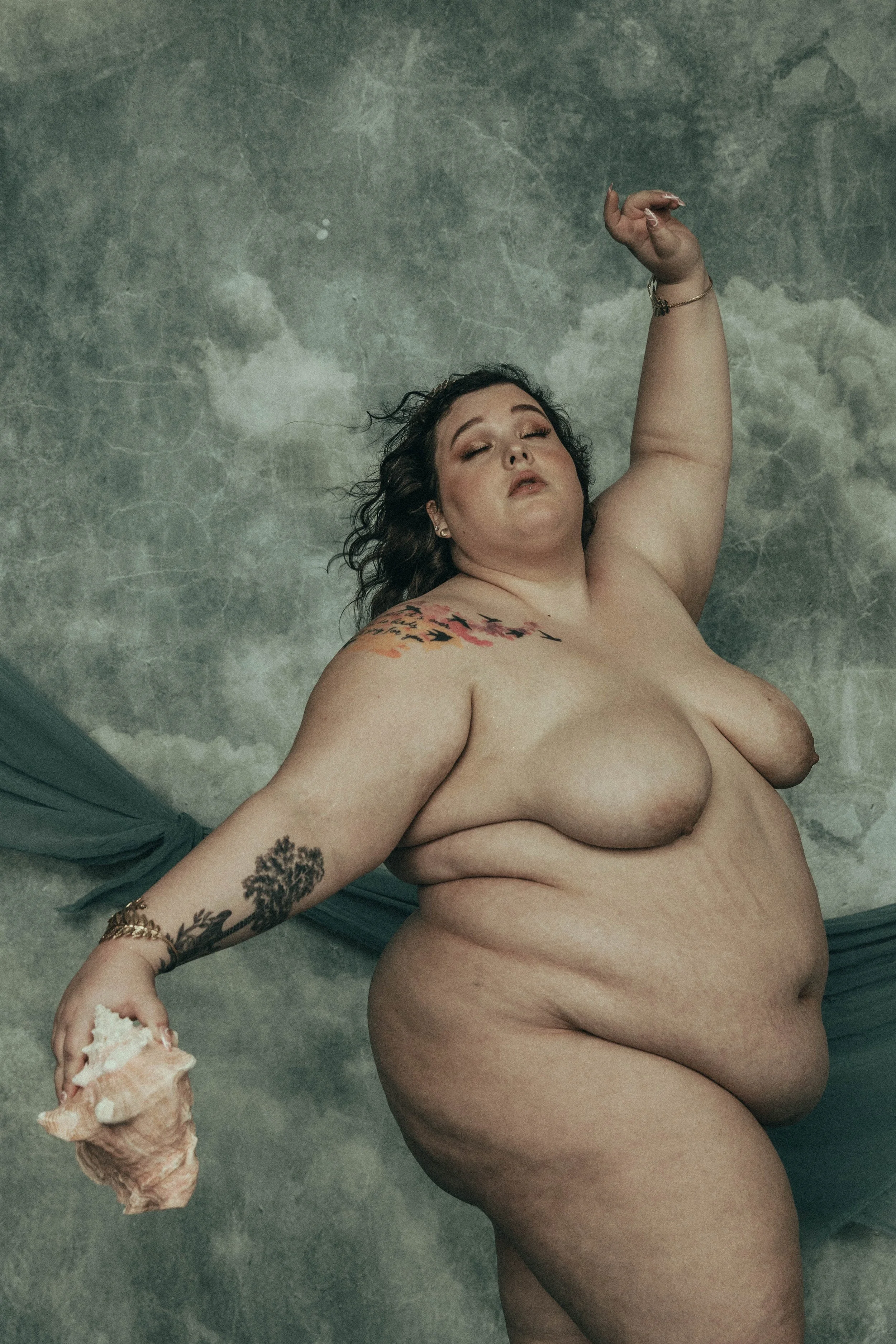
Putting the camera down creates space for a conversation. It allows the photographer to ask rather than assume, and the client to explain rather than perform comfort for the sake of continuing the shoot.
What Our Language Teaches
Words such as “flattering,” “slimming,” and “hiding problem areas” are familiar in portrait photography. Teri asks photographers to consider the message those words carry when they introduce them into a session.
“Obviously it makes them think they need to change something about their magical selves and shrink themselves to be more acceptable to the camera.”
There is a distinction between listening to a concern a client expresses and supplying a concern the client has not raised. A photographer who automatically promises to hide a stomach or make someone look smaller may be identifying a supposed problem where the person being photographed had not seen one.
Teri believes photographers have a responsibility to remind clients that the parts they have learned to judge do not make them less deserving of beautiful imagery.
That responsibility begins with noticing what the photographer’s own language suggests. Which features are routinely described as needing correction? What does the photographer praise? What assumptions sit underneath a direction or reassurance?
These questions matter because a client may already be carrying years of messages about how their body should look. A session becomes another experience through which those beliefs can be reinforced or reconsidered.
Photographing a Whole Person
Teri’s approach to body concerns includes setting clear expectations about how she sees the person in front of her.
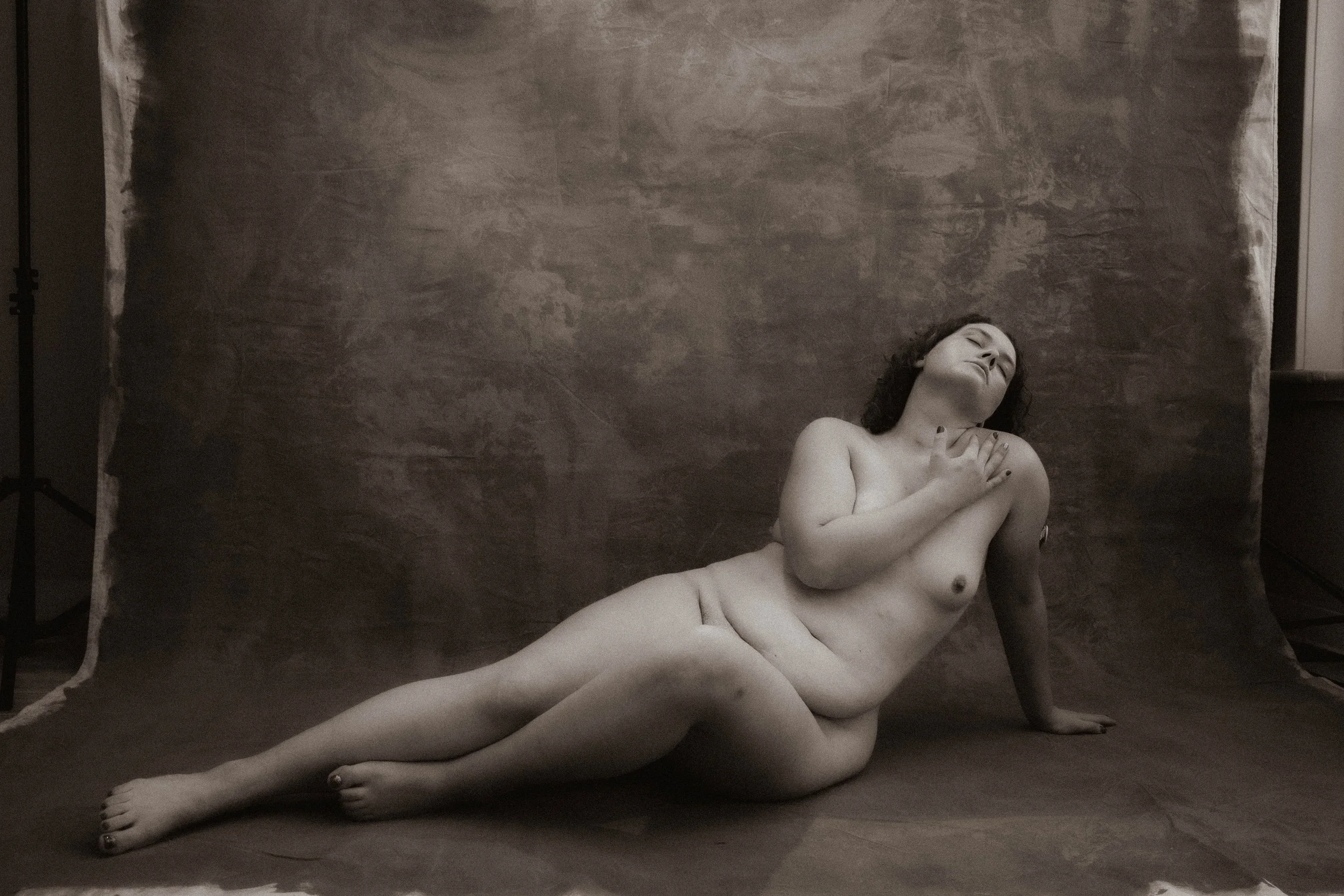
“I used to set the expectation ‘I'm not going to celebrate nor hide PARTS of you because you are a whole person.’”
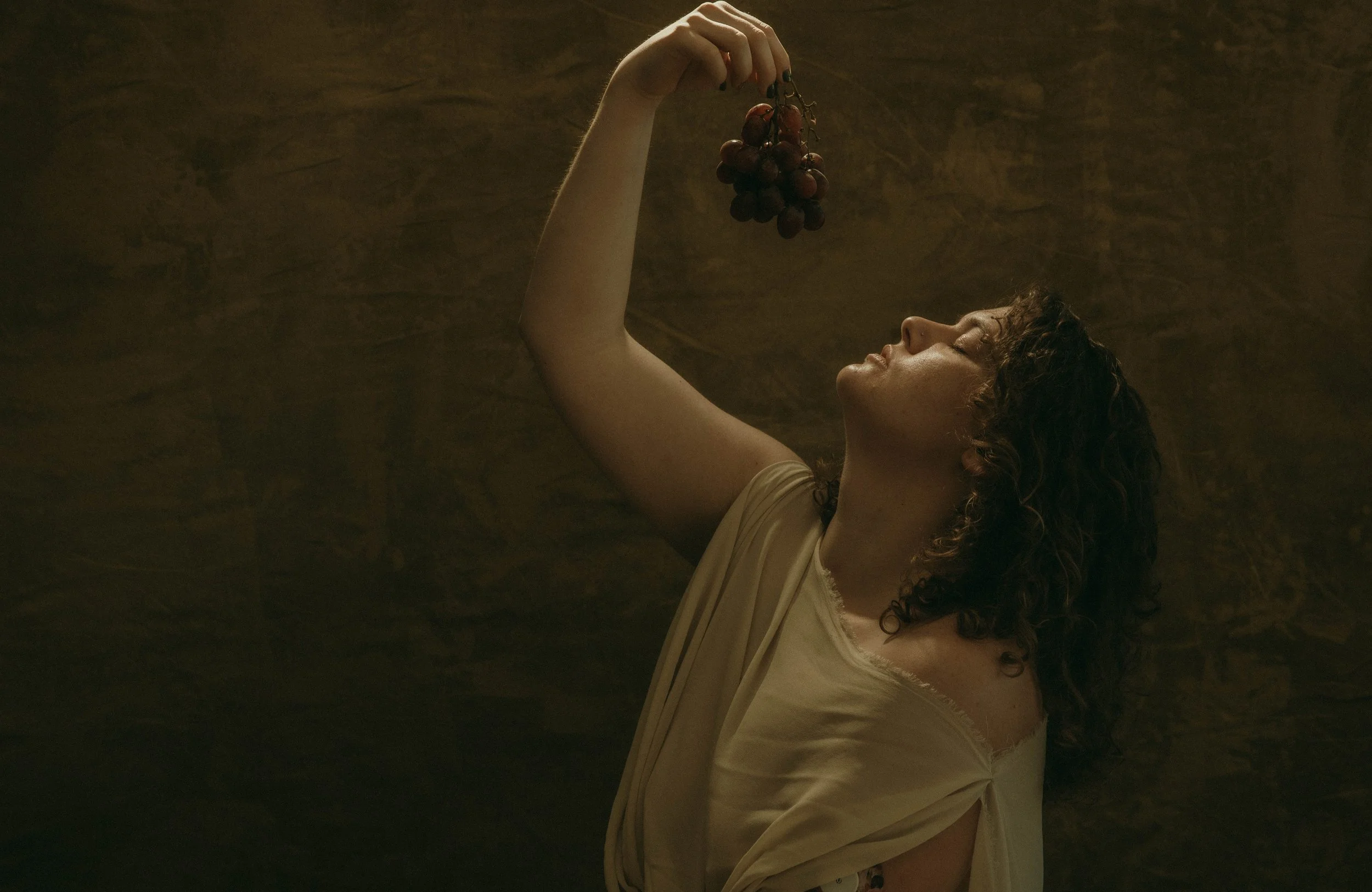
That perspective allows her to consider an image through more than a client’s list of perceived flaws. An expression, the way light falls, or a curve may be what draws her attention in a particular moment.
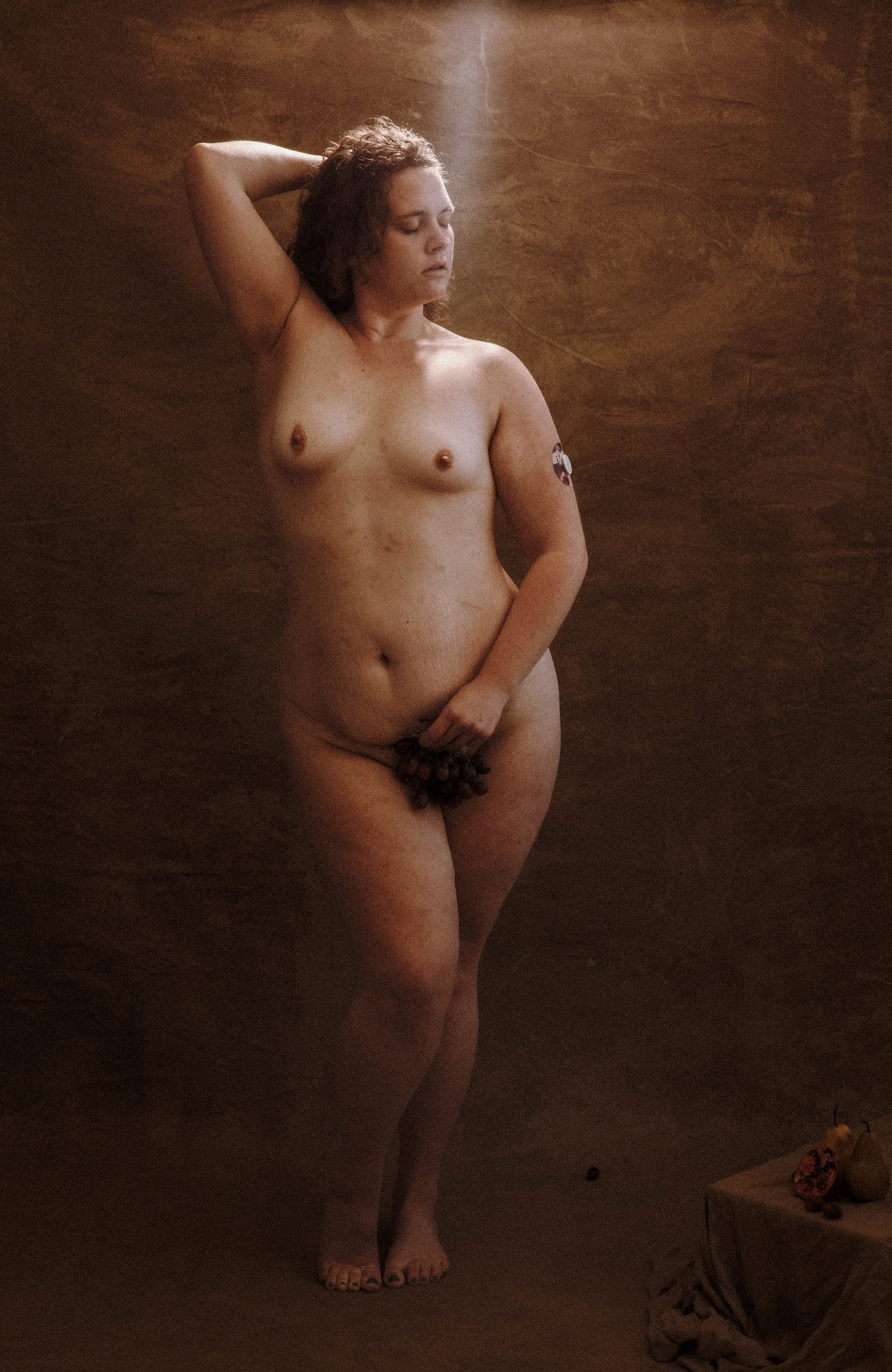
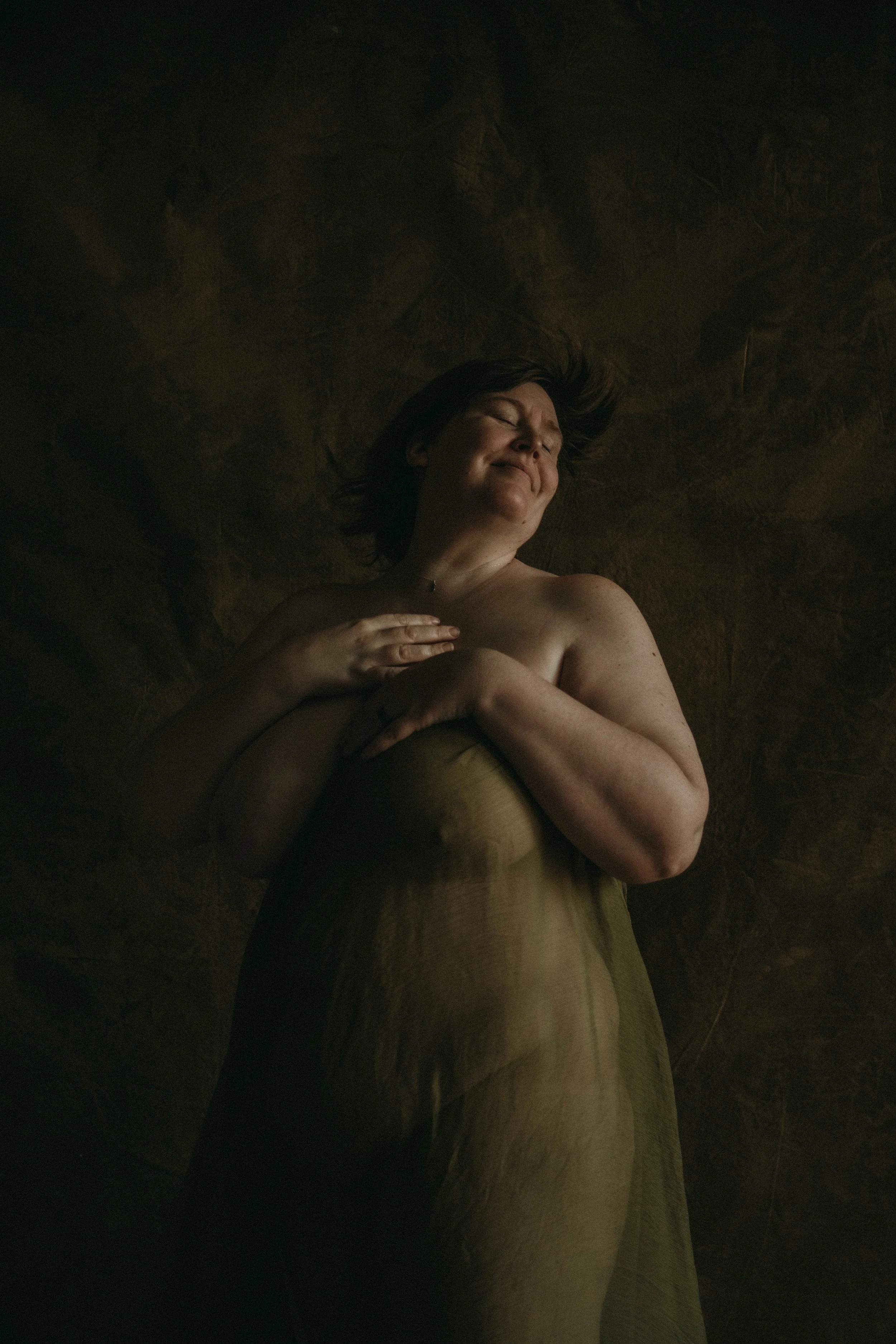
“The photos I'm gonna show you are the ones that demonstrate what I thought was beautiful about you in the moment,” she explains.
The resulting photographs may include something the client finds difficult to see. Teri does not suggest that another person’s appreciation will immediately erase that discomfort. Instead, the image can offer an additional perspective.
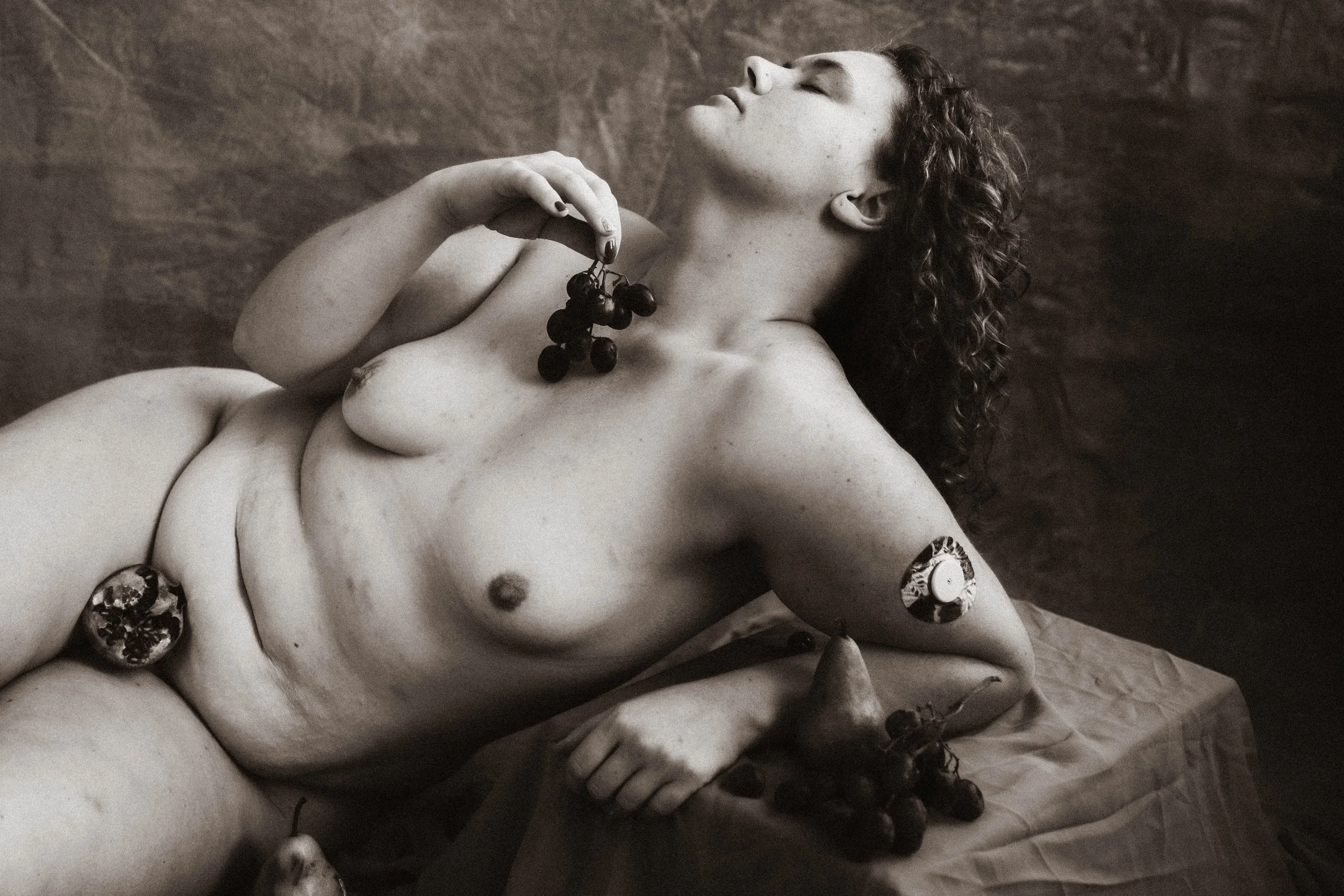
“It might be a part of yourself you are uncomfortable with, but it's just a reminder that SOMEONE thinks that part of you is beautiful.”
Communicating that approach beforehand helps clients understand what they will be shown. It gives them information with which to decide whether the experience suits their expectations, while keeping the photographer honest about the work they intend to create.
Making Room for Body Neutrality
Promises of transformation can create their own pressure. If a session is presented as an experience that will make someone love their body, a client who leaves with mixed feelings may feel they have fallen short.
Teri makes a different promise.
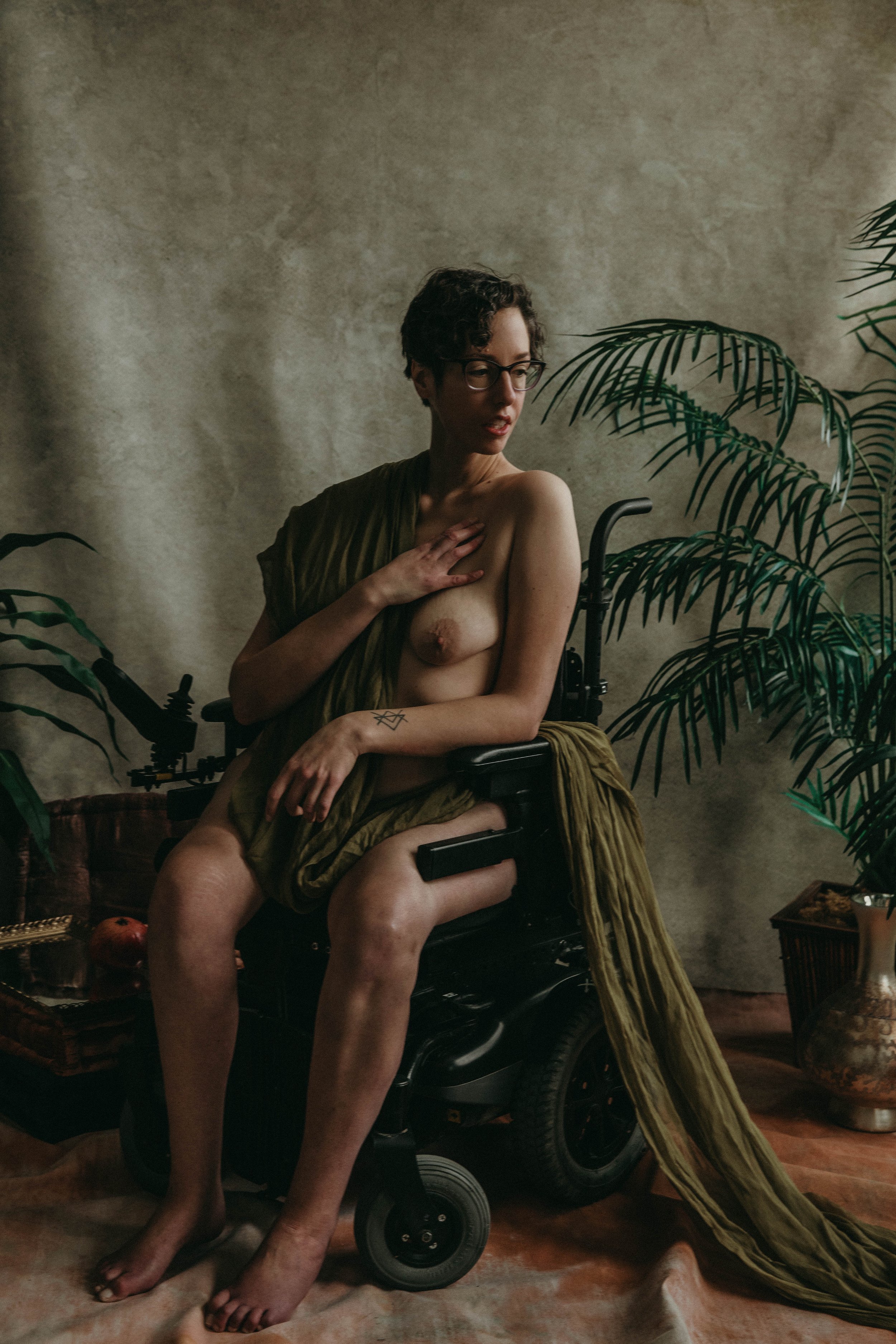
“I never promise body positivity. I encourage body neutrality.”
Her approach leaves room for insecurities to arise. She explains that body image work can make those moments less frequent, but does not mean difficult feelings will never return.
For photographers, that distinction affects how they describe their services. Website copy, social media posts, and interviews all help establish what someone expects before booking. Teri uses those spaces to communicate her perspective so clients understand the experience she offers.
A client does not have to arrive loving every part of their body. Nor does their response to a session have to fit a particular emotional outcome. There can be room for appreciation, uncertainty, discomfort, and enjoyment within the same experience.
Inclusion Has to Work in Practice
A welcoming boudoir experience depends on practical decisions as well as thoughtful words. Teri’s recommendations begin with photographers examining their own body image insecurities, then extend into wardrobe, hair and makeup, communication, and the presentation of finished photographs.
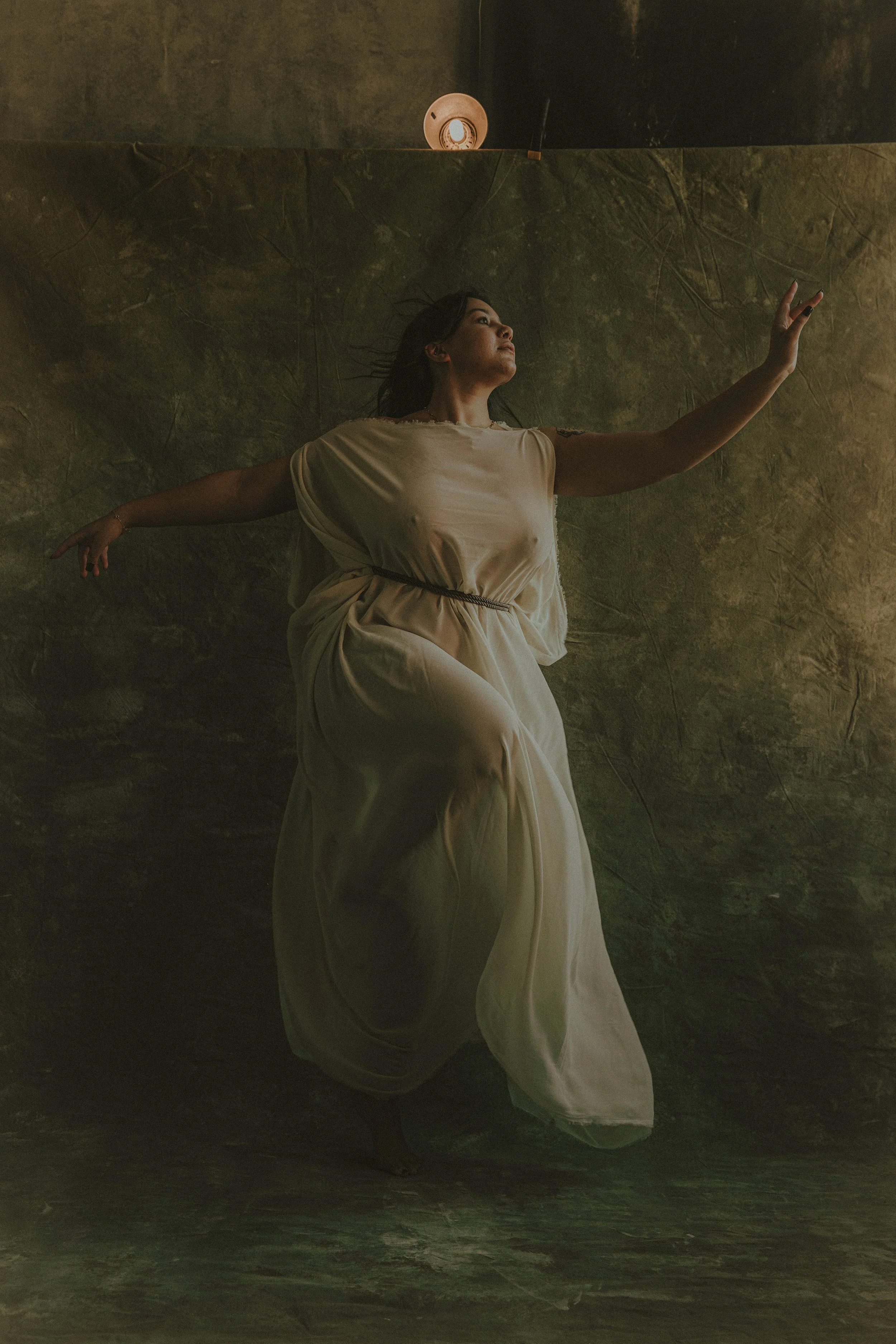
An inclusive wardrobe, for example, requires more consideration than simply having one larger garment available.
“Having 1 tent shaped black/army green item in a 3x is not inclusive.”
The point is about the choices offered to clients. If some people have access to a range of styles while others receive a single option, the experience does not offer the same opportunity for personal expression.
She also encourages photographers to work with hair and makeup artists who can serve a variety of hair and skin, pay attention to language throughout the space, and manage expectations clearly.
That includes being honest about what is and is not offered, from Photoshop to props. Clients need to understand the service they are choosing rather than discover its limitations or assumptions during the session.
Consistency in the photography matters, too. Teri encourages photographers to be confident in their work while recognizing that a client’s difficulty with an image may relate to how they see themselves. That possibility calls for a careful response, with attention to what the person is actually saying.
When a Client Doesn’t Like What They See
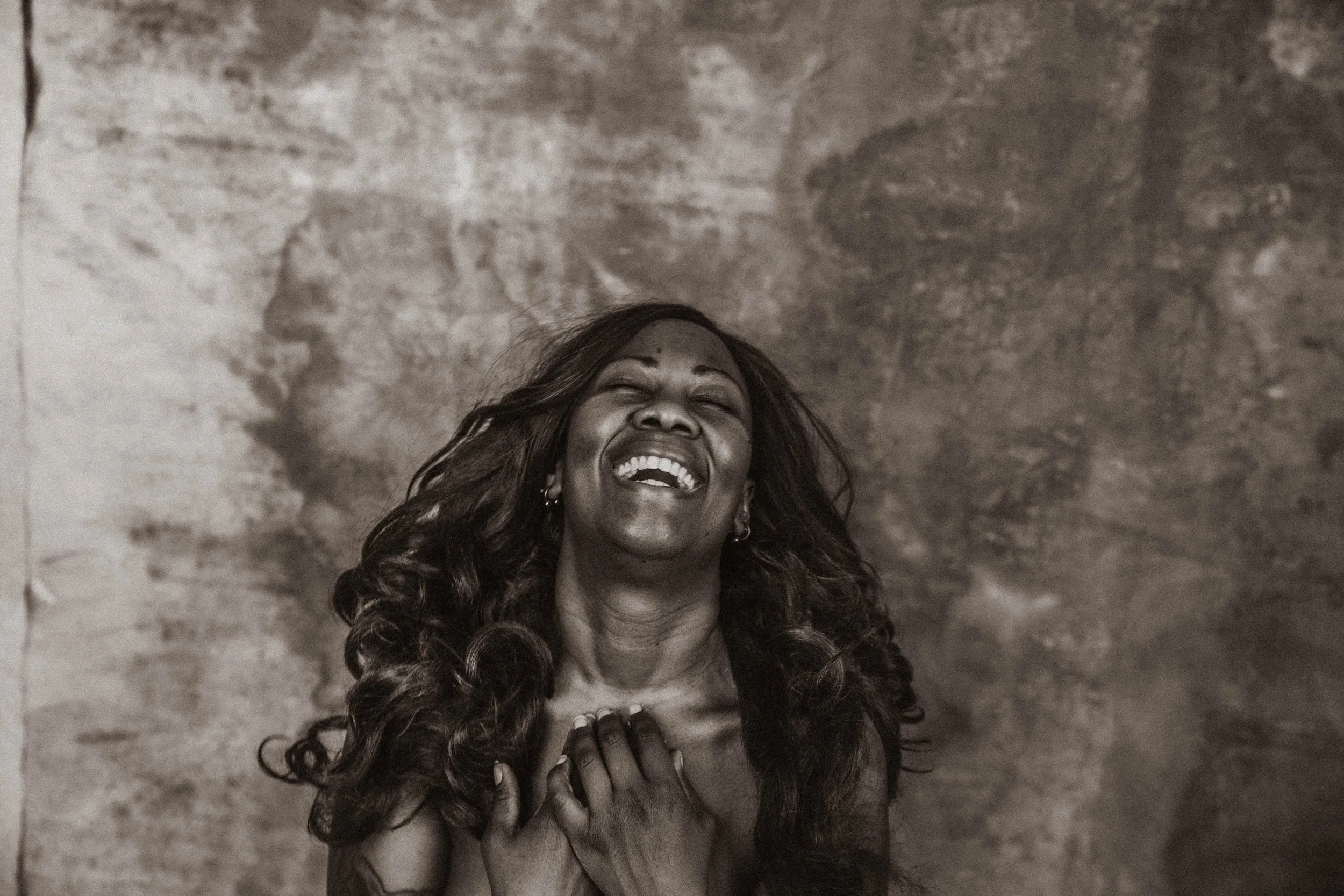
An image reveal can bring difficult feelings to the surface. A client may immediately focus on a feature they dislike, even when the photographer sees a photograph worth appreciating.
Teri’s guidance is direct.
“Be compassionate and curious.”
That response leaves room for the client to feel what they feel. It does not require the photographer to agree with the criticism, but it also does not dismiss the experience with an insistence that the image is beautiful.
She asks photographers to recognize their limitations when considering aftercare. Supporting someone through a difficult response does not mean assuming responsibility for resolving their relationship with their body.
“Mainly hold space for folks to feel what they feel and understand more often than not it has nothing to do with you.”
For the photographer, that requires resisting the impulse to make the conversation about defending the work. Curiosity can help them understand the response while compassion allows the client to express it without being hurried toward a more positive reaction.
Ask Instead of Assuming
One of Teri’s clearest messages concerns projection: the tendency to apply personal insecurities to someone else’s body.
“Stop projecting your body image into your clients.”
A photographer’s discomfort with their own stomach does not establish how a plus-size client feels about hers. The same principle applies to assumptions about movement, posing, and physical ability.
“Stop assuming folks can/can't do certain things because of their bodies and ASK them (all of them) what their limitations are.”
Asking every client makes the conversation part of the process rather than a judgment based on appearance. It creates an opportunity for people to describe their own needs and abilities.
Teri reminds photographers that clients arrive with expectations shaped by previous experiences. Some may already anticipate being hidden, corrected, or treated as difficult to photograph. The photographer’s choices become part of that continuing story.
“Know that you will either help or confirm their thoughts about themselves so take their body image concerns seriously.”
That is the responsibility at the heart of her approach. Listen before offering reassurance. Make the work and the welcome consistent. Be honest about what a session can provide. Allow the person in front of the camera to be a whole person, with feelings that may remain complicated.
Beautiful imagery does not have to wait until every insecurity has disappeared.