The Lives Photographs Leave Behind: Amy Friend on forgotten family albums, the possibilities of light, and why a photograph's story doesn't end when the shutter closes
Photographs courtesy of Amy Friend • Interview adapted from her written responses.
Artist Portrait
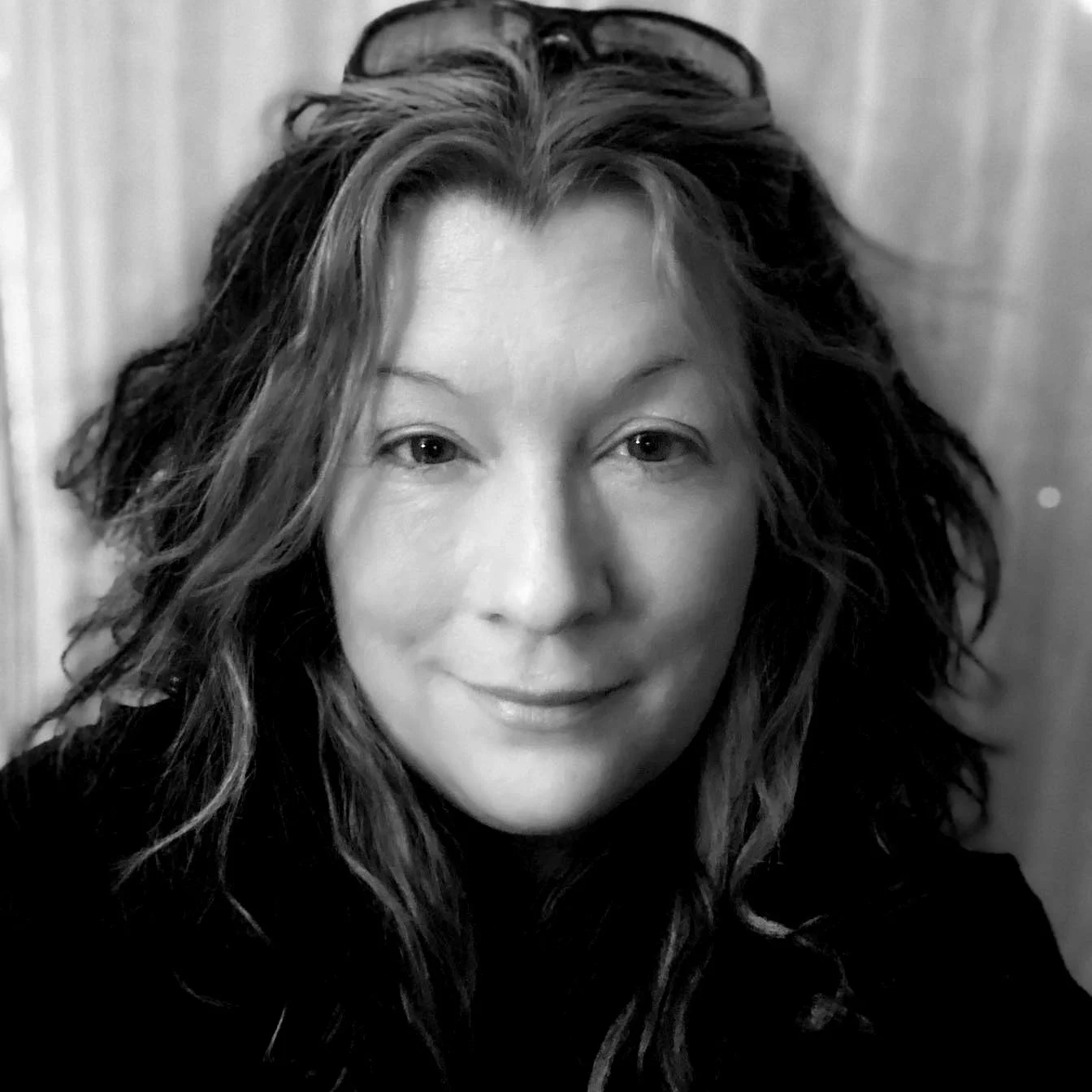
Amy Friend is an award-winning Canadian artist working across photography, installation, and community-based collaborations. Her process-driven practice explores personal and collective histories, time, land-memory, oceans, dust, and our connections to the universe. Her work has been exhibited internationally at the Bibliothèque Nationale de France, Paris Photo, incamera galerie, Bildhalle, Getxo Photofestival, DongGang Photography Museum, Onassis Cultural Centre, GuatePhoto, Encontros da Imagem, Photoville, Museum London, and Abbaye de Silvacane. Her photographs have appeared in The New York Times Magazine, Time, California Sunday Magazine, GUP, EKI, LUX, and The Walrus. Friend was selected for the 2019 Taylor Wessing Portrait Prize at London’s National Portrait Gallery and is a multiple Critical Mass Top 50 finalist and 2014 winner. She participated in Elles X at Paris Photo in 2018. Her ongoing artistic research has received support from the Ontario Arts Council and Canada Council for the Arts.
Somewhere, in a box of old photographs, there is a picture of someone whose name has been forgotten. Perhaps they are standing in front of a house, smiling beside a friend, or looking directly into the camera. Whoever made the photograph had a reason to keep it. But decades later, the image has become separated from the person who could explain what it meant.
Canadian artist Amy Friend has spent years considering what happens to photographs after the stories surrounding them disappear.
A child raises her arms beneath a scattering of bright points. In Amy Friend’s hands, the old photograph has acquired another presence: small openings of light that seem to hover around the figure. We can see the child, but we cannot know everything about the life beyond the frame.
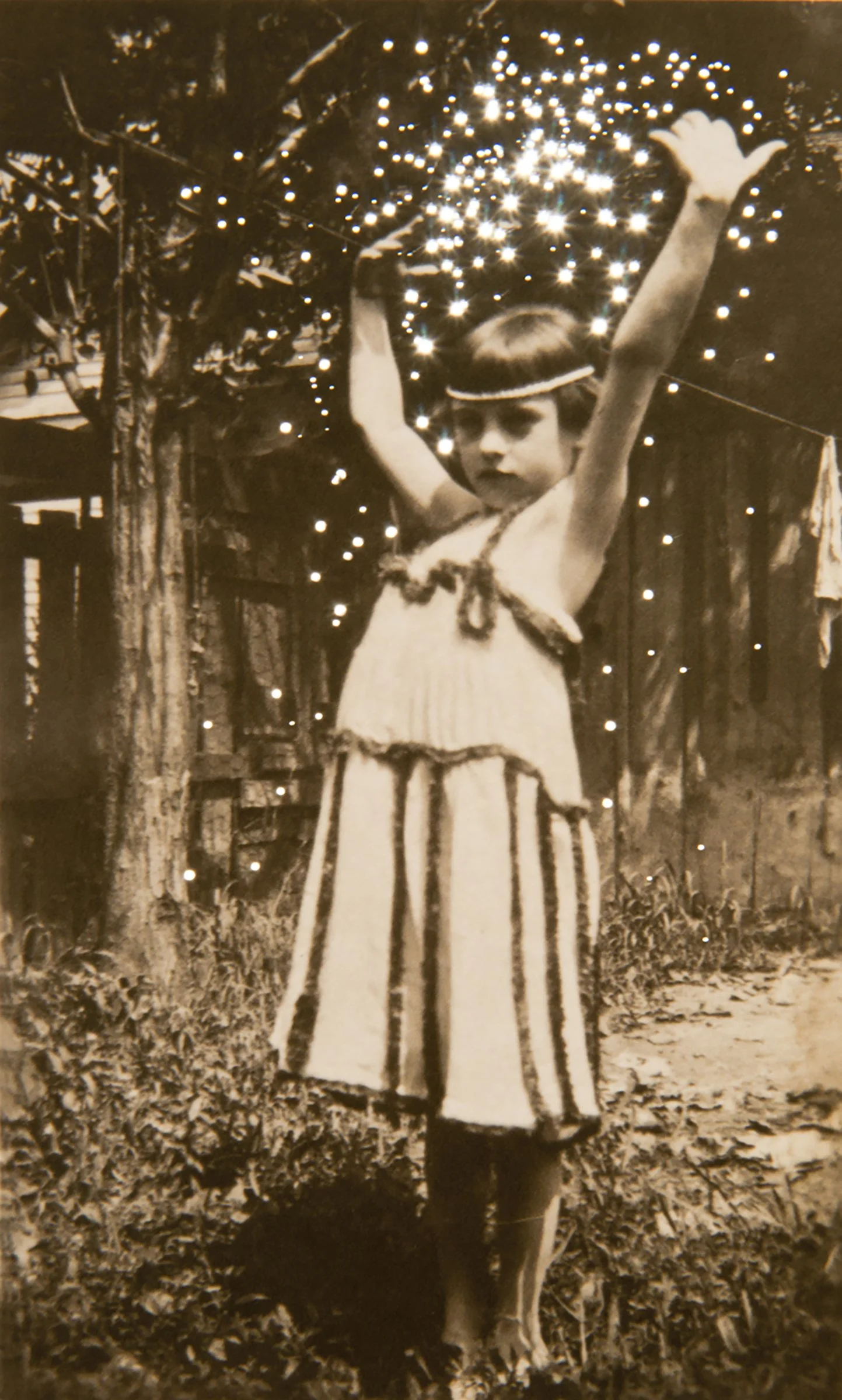
Our little dancing girl, Evelyn Age 9
That distance between an image and its history is at the heart of Dare alla Luce. Friend began asking questions about forgotten photographs when her Nonna showed her a family album she had never seen. Her grandmother recognized people and places, but even then some details had slipped away.
“Here were photographs of my own family—a history of sorts, but already some of the stories were disappearing,” Friend recalls.
Friend started collecting photographs from flea markets, vintage shops, and online sources. A handwritten note might draw her in; another image might recall a person she knew or a story she had heard. She was not trying to rebuild a literal family history. Instead, she was noticing how pictures of strangers could provoke surprisingly personal associations.
“In that sense, I’ve created a kind of album using the lives of strangers,” she says. The people pictured are unknown to her, yet their images are still capable of starting new conversations.
Dare alla Luce is an Italian expression associated with bringing something into the light. The title connects Friend’s Italian family history to the unusual second life she gives discarded photographic objects.
Her technique began with embroidery. As she stitched into old photographs, she held them against the light to inspect the tiny needle holes. The illuminated marks interested her more than the thread. “That discovery completely changed the direction of the work,” she explains.
Friend began perforating photographs and rephotographing them as light passed through the openings. An image now contains several encounters with light: the light that originally reached the camera, the light admitted through its altered surface, and the light used to make the new photograph.
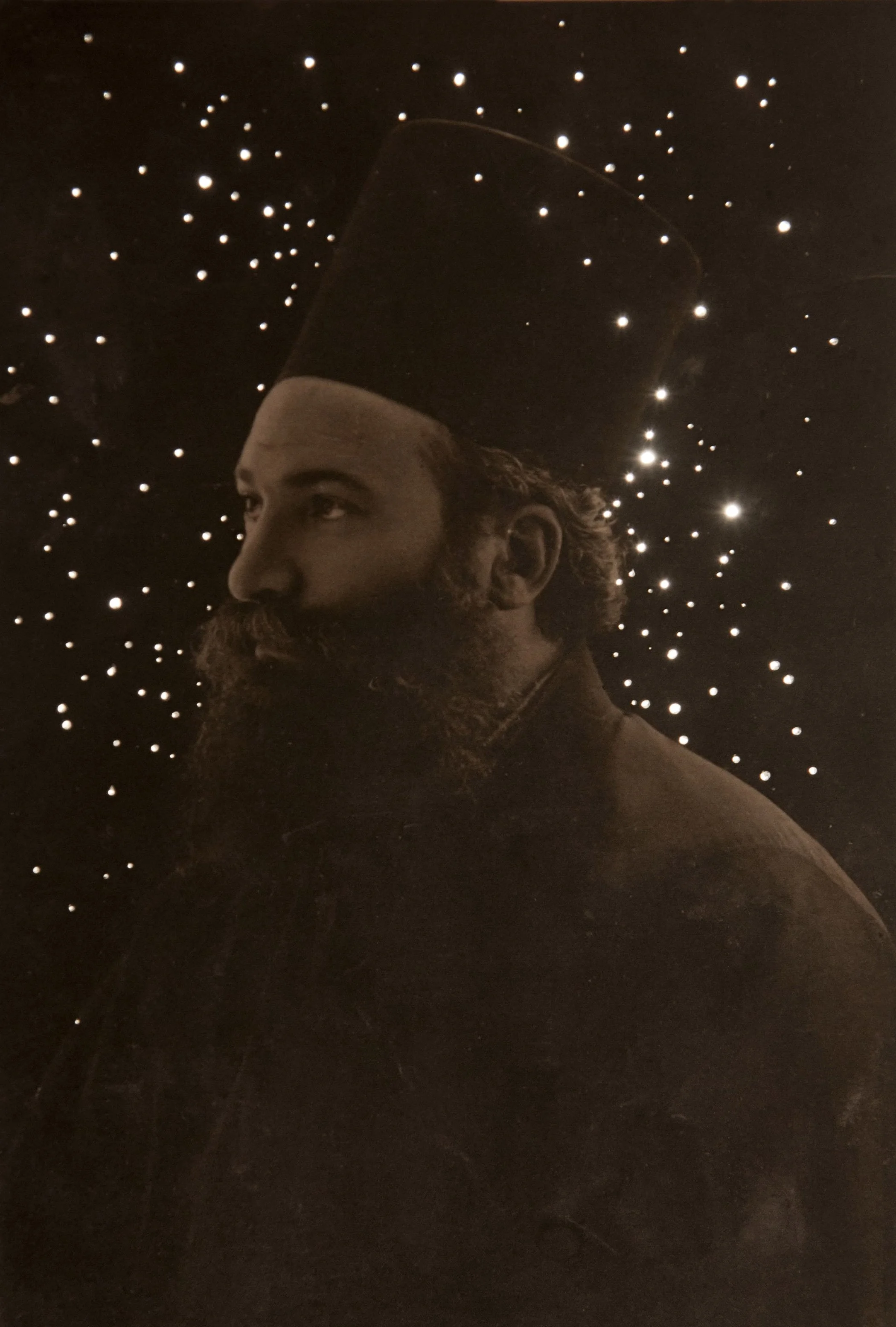
The portrait titled Nana makes the intervention feel intimate: points of brightness gather across the subject’s face, drawing attention to its presence while interrupting our ability to read it. In That is how the light gets in, the constellation-like marks change how we experience a dark portrait without telling us who the sitter was.
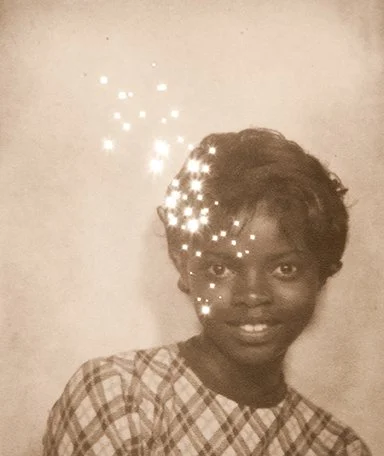
Nana
“The perforations interrupt what we can see, but they also introduce something new,” Friend says. “I think of light almost as a portal, something that opens up possibilities rather than providing a definitive answer.”
The process does not repair what is missing from the photographs’ histories. It gives viewers something different to encounter in the present.
A title can sound like an answer, even when the photograph raises more questions. Friend sometimes draws titles from notes on the prints she collects; at other times, she chooses words that suggest an interpretation without proving it. Because the original context is often lost, the apparent certainty of a caption can be deceptive.
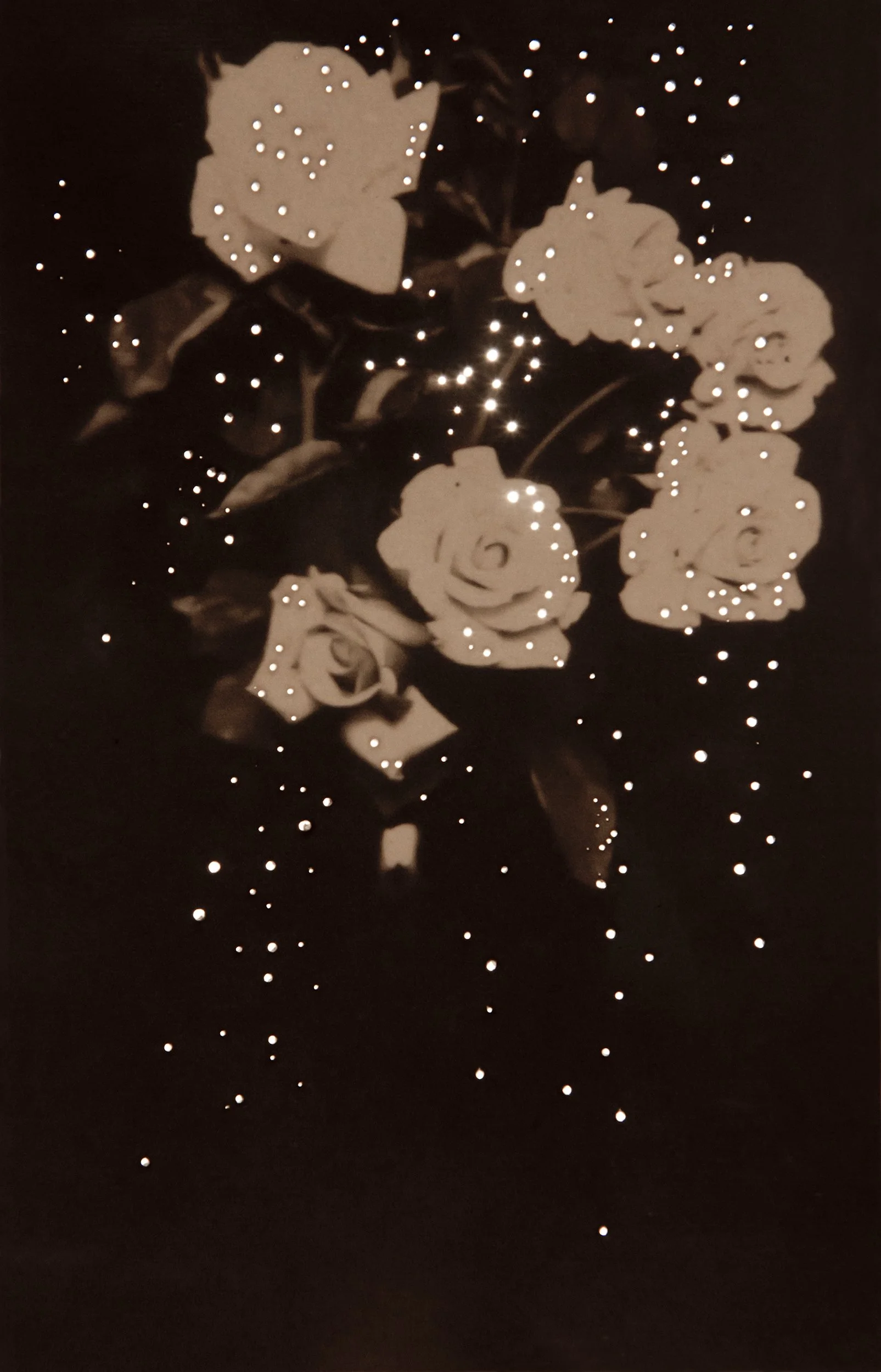
In John Copeland Louise Dorthy, a figure in a pale uniform appears through the disrupted photographic surface. In Mom’s Roses, flowers become points of light against darkness. The supplied titles offer a way into the images, but neither can tell us everything about the hands that made or kept the original prints.
“I don’t feel that I need to resolve the mystery,” Friend says. “In many ways, it’s those blank spaces that keep me interested.”
Years spent searching through found photographs also made her more conscious of who does—and does not—appear in the available visual record. The surviving images reflect the people and moments that were photographed, retained, and eventually circulated. Friend has deliberately included occasional images that disrupt common patterns, while recognizing that a recovered collection cannot account for lives never recorded.
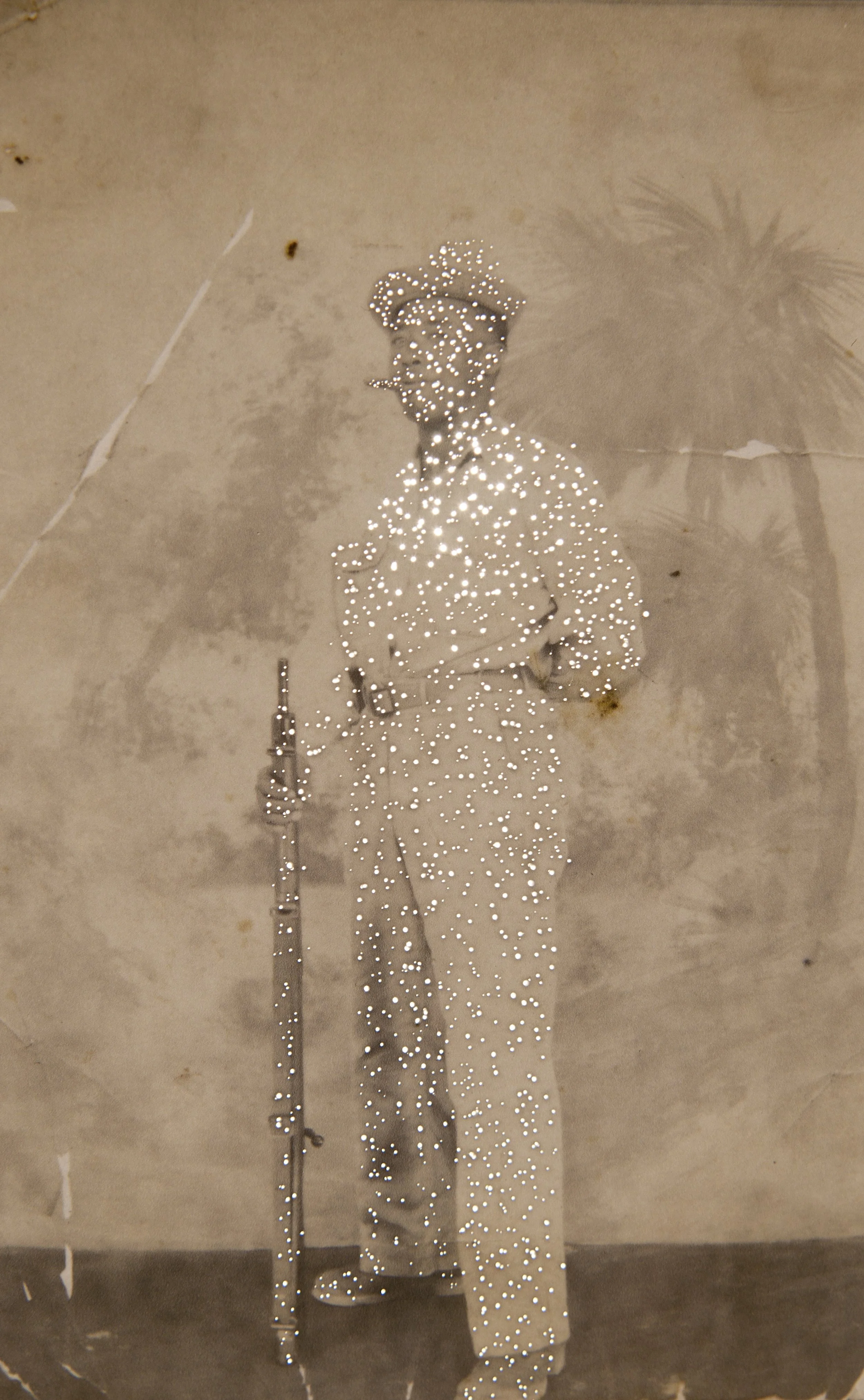
John Copeland Louise Dorthy
Her inquiry became especially personal when she included photographs of her father and brother. A photo-booth picture of her father, discovered only after his death, showed an expression that moved her. Her brother died unexpectedly eight months later. Including their images deliberately broke the earlier timeframe of the series and made clear that losing a photograph’s context is not only an old problem.
A photograph can remain physically unchanged while its significance shifts dramatically for the person looking at it. Friend’s series makes space for that unstable relationship between what survives and what can be known.
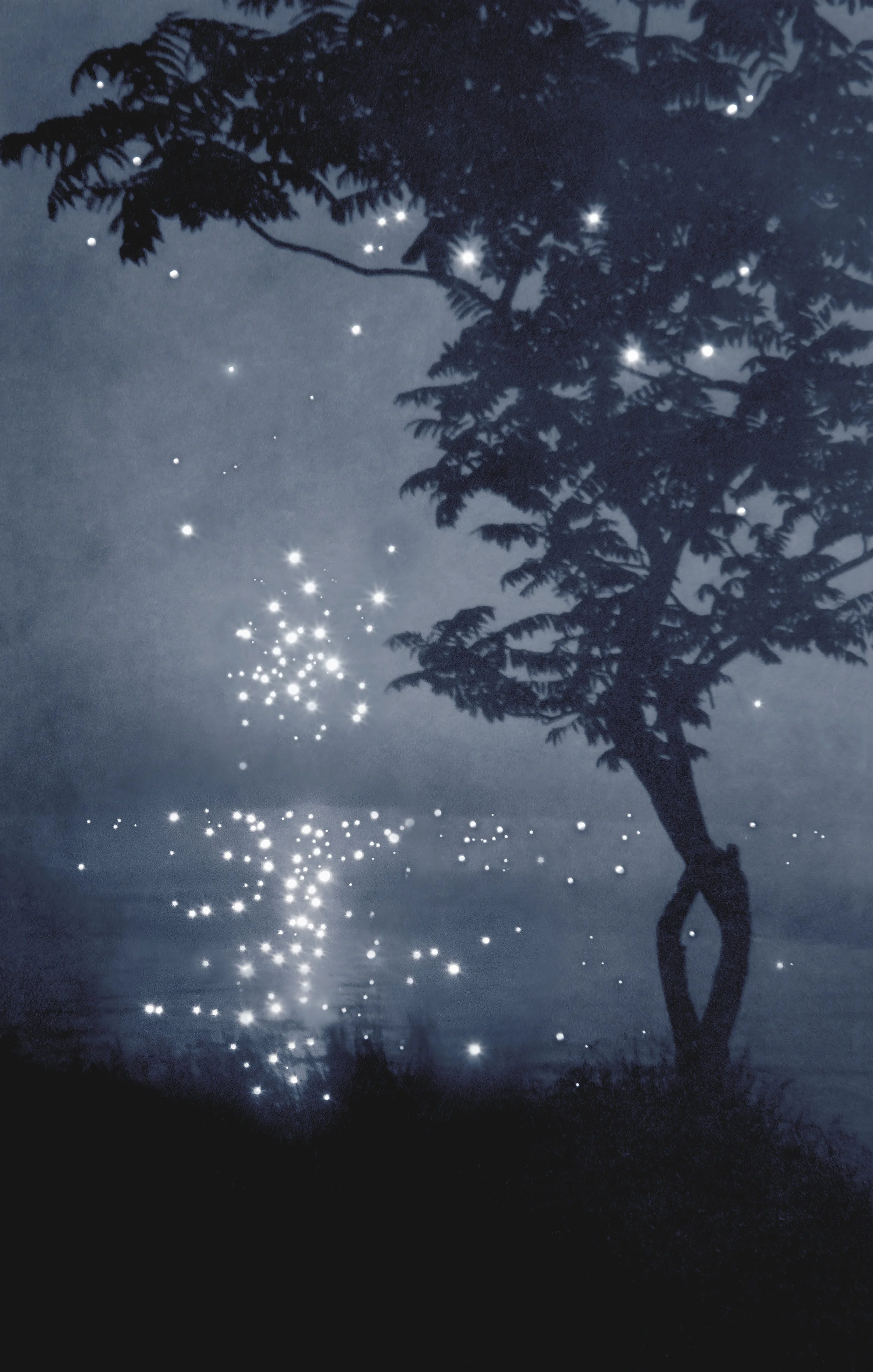
In Afterglow, the points of light gather among trees; in There was nothing like that night, remember it?, they seem suspended in a dark outdoor scene. Neither work needs its original story to remain visually compelling. Each also suggests how easily the viewer begins to supply one.
“We tend to think of a photograph as something that has already happened, something complete,” Friend says. “But I’m interested in what happens afterward.” Images move through households and generations, lose their original uses, and acquire new audiences. The history of a photograph continues after the moment recorded by its shutter.
Friend’s newest project, Leave a Light On for Me, follows her interest in light toward another kind of uncertainty. She is researching lighthouses, foghorns, Morse code, and distress signals—ways of reaching people across distances without knowing whether anyone will receive the message.
“A signal can be sent without knowing whether it will be received, yet the act itself carries an intention, whether to warn, guide, reassure, or ask for help,” she explains. She is exploring that impulse through photography, sound, light, and material interventions, thinking of hope as a deliberate action rather than a guarantee of a happy outcome.
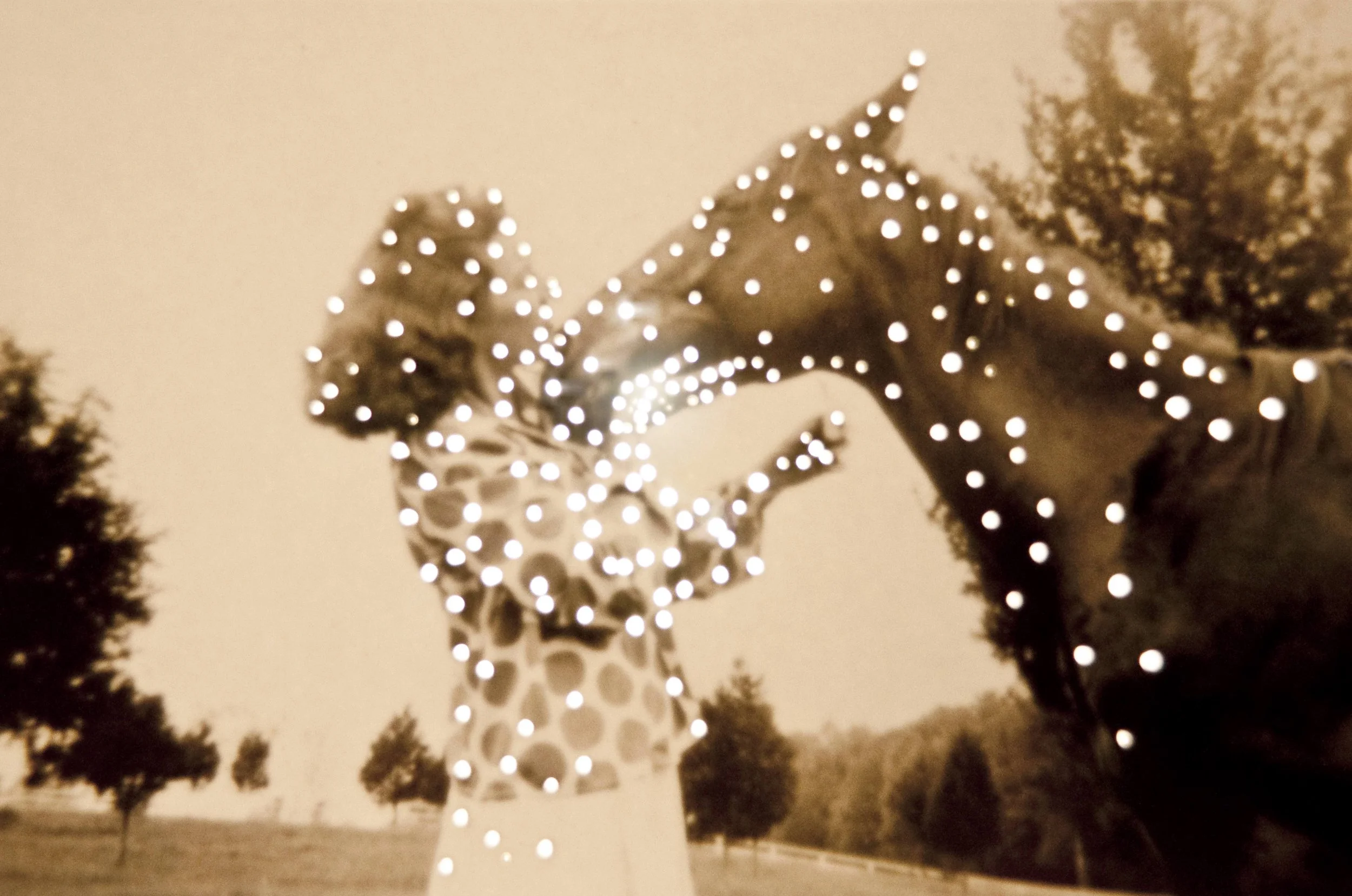
Afterglow
The transition from one project to the next is subtle but revealing. Dare alla Luce looks at images that remain after their original stories have been lost. Leave a Light On for Me considers the gesture of sending something outward before its reception is known.
“I’m thinking less about what images hold and more about what they might send out into the world,” Friend says. The question is no longer only what a photograph has preserved, but what it may still make possible.
Connect with Amy
Website: www.amyfriend.ca • Instagram: @amyquerin