You Can Bloom Where You Were Buried
There are seasons of life that do not feel like planting. They feel like burial
The darkness is too complete. The weight is too heavy. You cannot see beyond what surrounds you, and every direction feels closed. Whatever came before—the life you recognized, the person you thought you were, the future you believed was waiting—suddenly feels impossibly far away.
People may tell you this is a new beginning. They may call it redirection, transformation, or part of a bigger plan. But from where you are, it does not feel hopeful. It feels like loss. It is okay to call it that.
Not every painful thing needs to be turned into a lesson while you are still surviving it. Not every wound needs an inspirational ending. Sometimes something terrible happened. Sometimes you were abandoned, betrayed, uprooted, or asked to carry more than should have been yours. Sometimes the door closed, the relationship ended, the diagnosis came, the dream collapsed, or the version of home you trusted disappeared.
Sometimes you did not plant yourself in the darkness. Someone else put you there.
There is a particular kind of grief in realizing that the life you must rebuild was damaged by hands other than your own. It can make every conversation about resilience feel like another burden. Why should you have to become stronger because someone else was careless with you? Why should the person who was hurt also be responsible for finding meaning in the hurt?.
You are allowed to be angry about the soil you were handed. You are allowed to grieve the version of yourself who never should have needed to become this resilient. You can recognize your strength without being grateful for what forced you to discover it. Healing does not require you to forgive everything, understand everyone, or pretend the pain was secretly a gift. But even here—even beneath all that was meant to cover you—something remains alive.
Maybe it is very small at first. A quiet refusal to disappear. A thought that says, “This cannot be where my story ends.” The decision to get out of bed. To answer one message. To make one appointment. To create something, even badly. To laugh and then feel guilty because you had forgotten laughter was still possible. Growth does not always announce itself. Sometimes it begins as the smallest movement toward light.
A seed does not look powerful when it is buried. It looks lost. Hidden beneath the soil, it has no proof of what waits above it. Still, something within it knows to reach. Before it becomes visible, before anyone calls it beautiful, it begins the slow work of breaking open. That is the part we rarely talk about. Blooming begins with breaking.
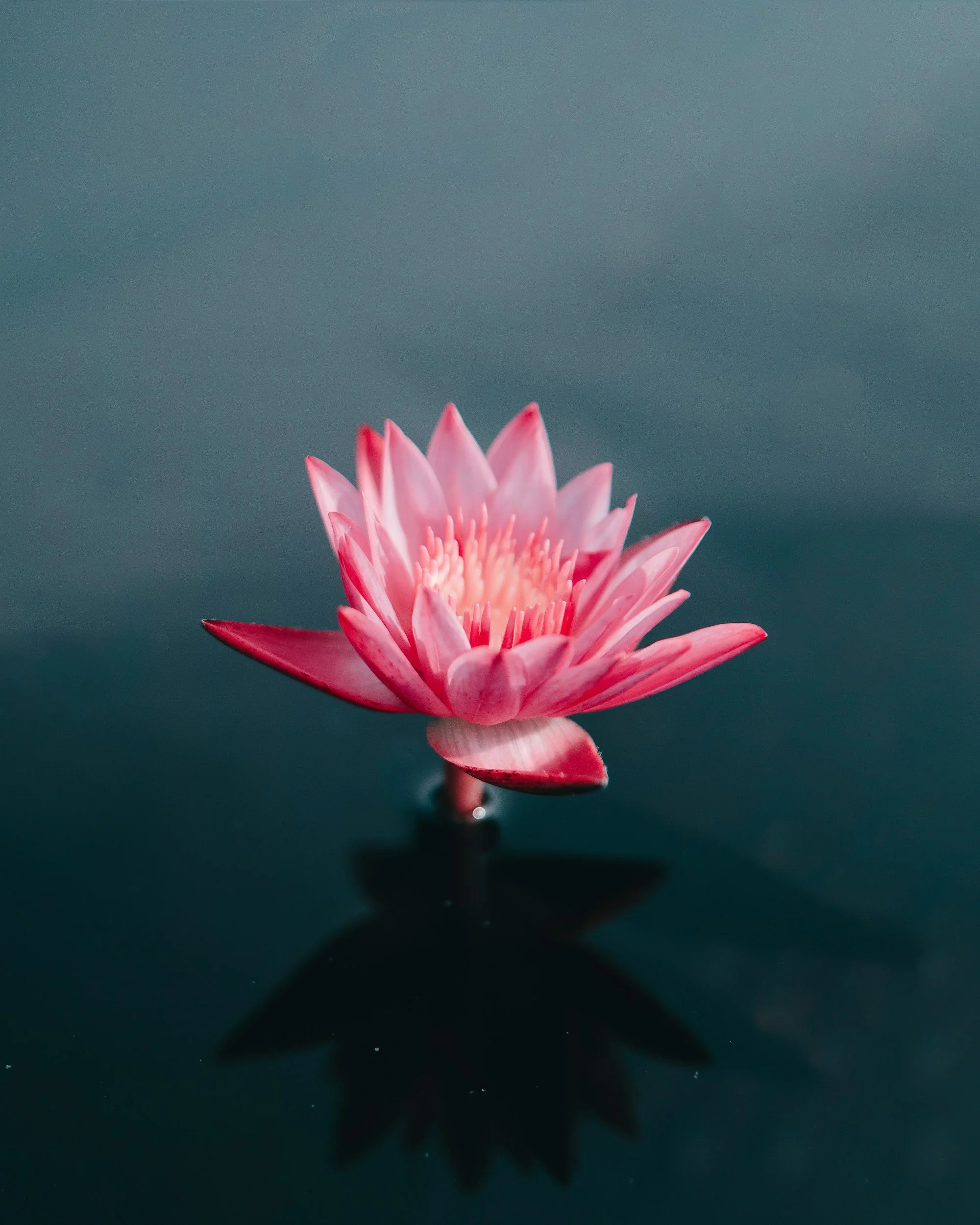
The shell that once protected the seed must split so that something new can emerge. Transformation is not always graceful. It can look like falling apart, changing your mind, losing people, disappointing expectations, and no longer fitting into the life you worked so hard to build. It can look like not knowing who you are because the person you had to become to survive is no longer the person you want to remain.
There is nothing weak about being uncertain in the middle of becoming.
You may not recognize your growth while it is happening. You may only feel tired. You may believe you are moving too slowly or not moving at all. But roots grow in darkness. Long before anything breaks through the surface, there is quiet work happening where no one else can see it.
Every boundary you set is a root. Every time you rest instead of proving your worth is a root.
Every time you speak to yourself with tenderness, leave what keeps hurting you, ask for help, or choose not to repeat what was done to you—you are building the foundation for a life that can hold you.
No one applauds roots. They are not the part people photograph. They grow without recognition, doing the hidden work of keeping something alive before there is any bloom to show for it. Perhaps that is where you are now.
Not flourishing in a way the world can see, but strengthening below the surface. Learning what nourishes you. Discovering what you can no longer tolerate. Sending pieces of yourself into unfamiliar ground and hoping they find something steady enough to hold. You do not need to rush this part.
Flowers do not apologize for the time they spend underground. They do not compare their beginning to someone else’s full bloom. They respond to the conditions around them and emerge when they are ready.
You deserve that same patience. There will be people who only notice you after you bloom. They will admire the softness without understanding the strength it took to reach the surface. They may call you lucky because they did not witness the nights you nearly surrendered. They will see the color but not the darkness that taught you how desperately you wanted the light. You will know.
You will remember every version of yourself that kept going quietly. The one who cried in locked bathrooms, started over with almost nothing, and learned how to make a home inside her own body. The one who kept caring for everyone else while privately coming undone. The one who could not imagine feeling whole again but made it to morning anyway. She is part of the bloom, too. Healing will not erase what happened. A flower does not become beautiful because the dirt disappears. It blooms because it learned how to draw something necessary from the place that once surrounded it.
That does not mean the pain made you better. It means the pain did not get to decide that you would never become anything beyond it. There is a difference. You are not beautiful because you suffered. You were always worthy of gentleness. You always deserved safety, love, opportunity, and room to grow. Your bloom is not proof that what happened was acceptable. It is proof that what happened was not powerful enough to erase you.
Maybe blooming looks different now than it once did.
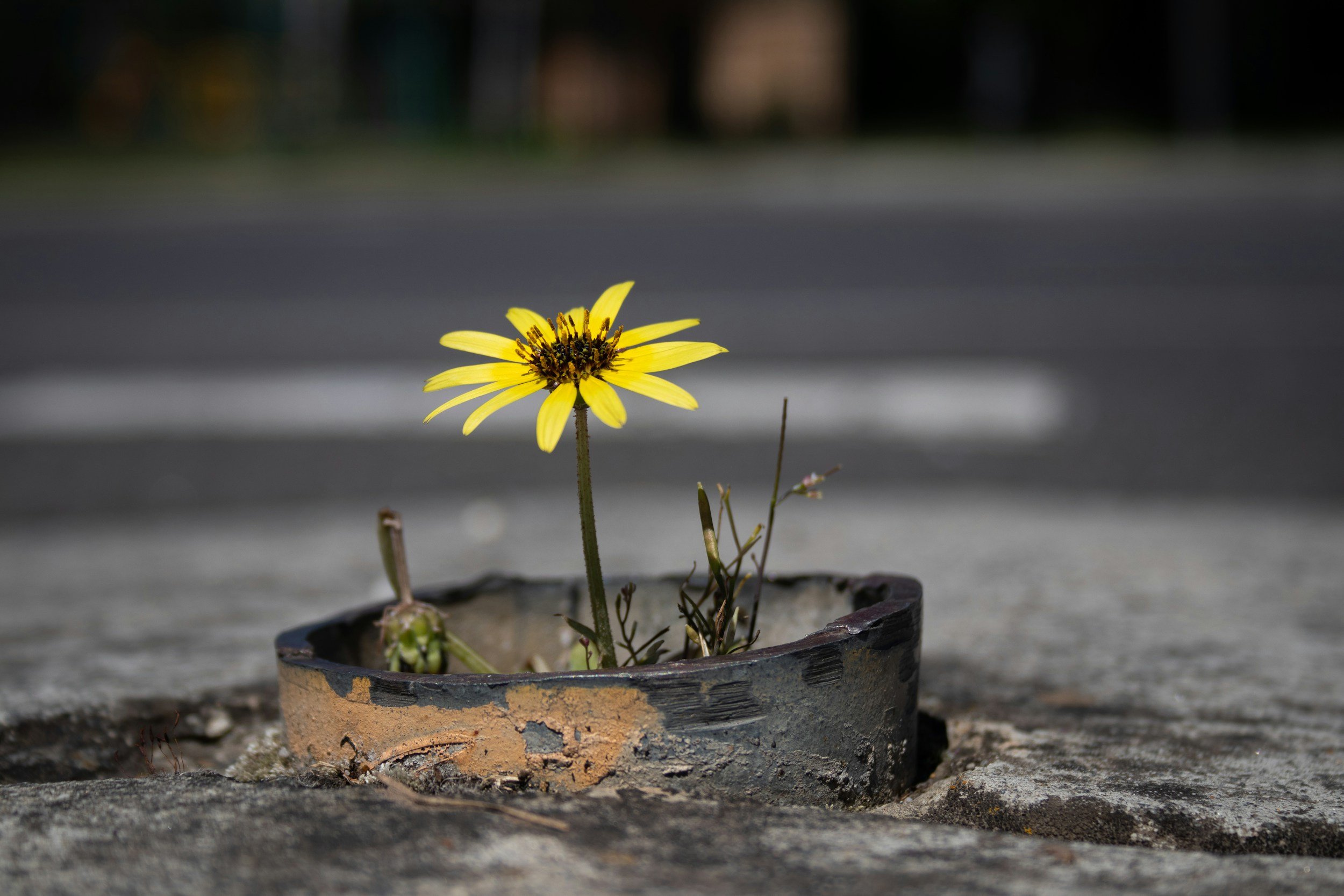
Maybe it is no longer about becoming impressive. Maybe it is peace. A quiet home. A nervous system that no longer expects every good thing to disappear. Work that feels honest. People who do not require you to abandon yourself to keep them. A life small enough to be held and full enough to feel like yours. Maybe the bloom is simply recognizing yourself again.
There may still be hard days. Flowers close. Seasons change. Growth pauses.
The return of darkness does not mean you have failed or lost everything you learned. It means you are alive, and living things move through cycles. You do not have to bloom constantly to prove that you have healed. Rest when you need to. Protect what is tender. Let yourself be cared for. Keep reaching when you can, and be still when you cannot. There is no deadline for becoming the person you are still meeting.
One day, you may look around and realize that the place you thought would end you has become the ground beneath a life you chose for yourself. Not because it was fair. Not because you deserved the burial. But because somewhere in the darkness, you remembered that being covered was not the same as being gone.
They may have mistaken you for something finished. But you were a seed. And you were always capable of reaching the light.