The Women Who Taught Us How to Make Something from Nothing
Before we knew what resilience meant, we watched women practice it.
We watched them stretch dinners so there would be enough for everyone, turn old fabric into something useful, and find another few days inside a nearly empty bottle of shampoo. We watched them save jars, reuse gift bags, mend what was torn, and make a home feel warm even when money was tight and life was anything but gentle.
They rarely called any of it creativity. To them, it was simply what had to be done.
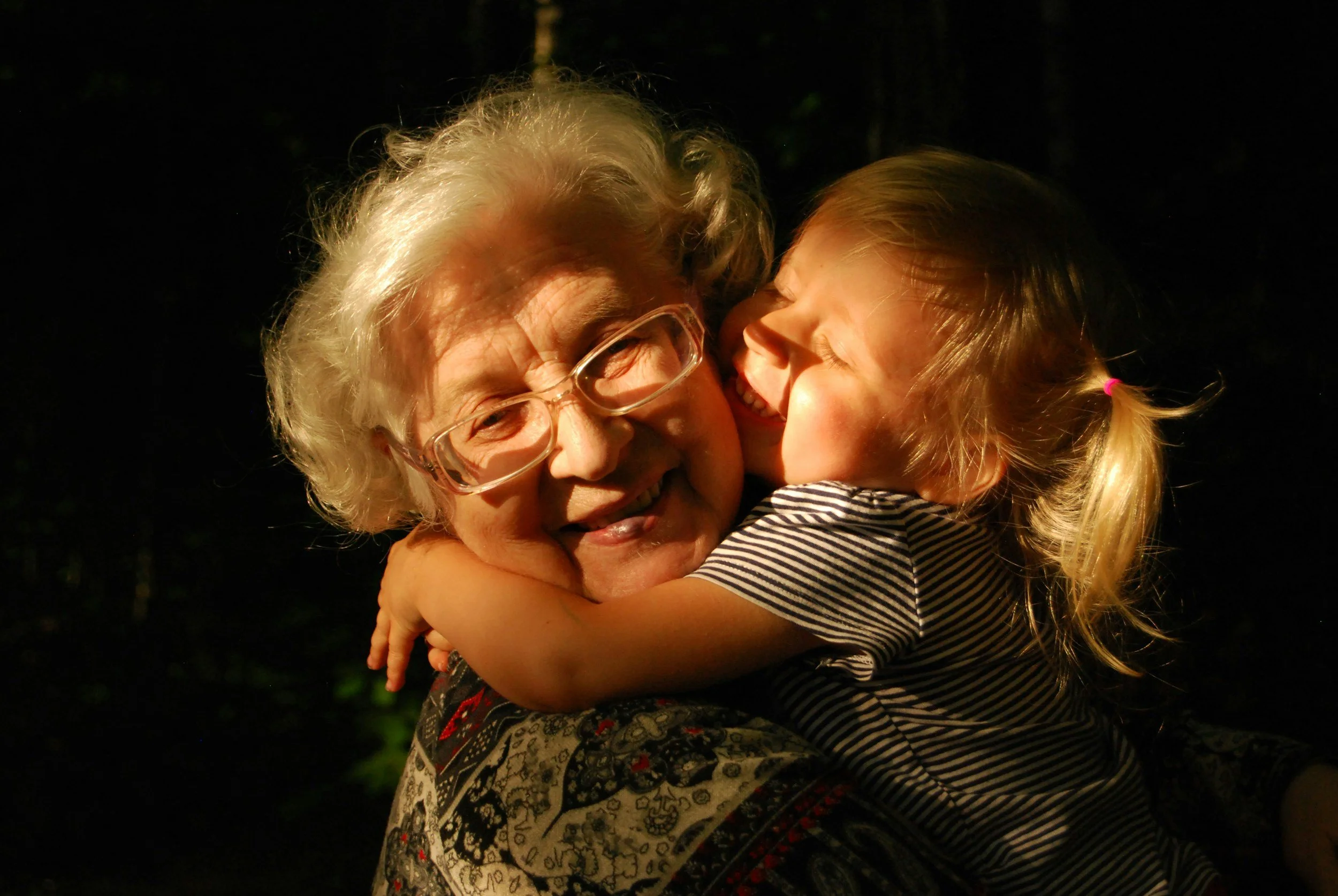
These were the women who could open a nearly empty refrigerator and somehow make a meal. The ones who turned hand-me-downs into school clothes, kitchen tables into workspaces, and ordinary evenings into traditions we would remember for the rest of our lives. They knew how to take what was available—not what they wished they had—and make it enough.
Sometimes they made it beautiful, too.
Maybe it was your mother standing over the stove without a recipe, measuring everything by sight and memory. Maybe it was your grandmother saving buttons in an old tin because nothing useful should be wasted. Maybe it was an aunt who always found room for one more person at the table, even when there was barely enough space or food for those already there.
Maybe it was a teacher who bought classroom supplies with her own money, a neighbor who showed up with a casserole before anyone knew to ask, or a friend who helped you rebuild your life with nothing but an air mattress, borrowed dishes, and the promise that things would not always feel this hard.
They taught us that abundance is not always about having more. Sometimes it is about knowing how to care for what is already in your hands.
There was magic in the way they did it, but we should be careful not to romanticize how often that magic was required. Many of these women became resourceful because they were given no other choice. They learned to make something from nothing because no one was coming to give them more. They carried families, absorbed disappointments, postponed their own dreams, and found ways to keep everyone else comfortable while quietly going without.
We remember the birthday cakes they made from scratch. We may not remember that they cried over the grocery total.
We remember the handmade costumes, the packed lunches, and the holidays that somehow still felt special. We may not have seen the late nights, overdue bills, or private calculations behind them. We did not always recognize that the woman creating wonder was exhausted.
As children, we thought she simply knew how to do everything.
As adults, we understand that she was often figuring it out as she went.
That may be one of the greatest things she taught us: you do not need to feel ready to begin. You do not need every tool, answer, or advantage before you can create something meaningful. Sometimes you begin with what you have. You improvise. You make mistakes. You try again. You trust your hands before you trust yourself.
Many of us carry those lessons into our own creative work now. We build businesses at kitchen tables after the children are asleep. We photograph in borrowed spaces and use bedsheets as backdrops. We teach ourselves from free videos, secondhand books, and hours of trial and error. We create websites before we feel like real business owners and submit our work before we feel like real artists.
We make room for our dreams inside lives that are already full.
Perhaps that instinct was inherited.
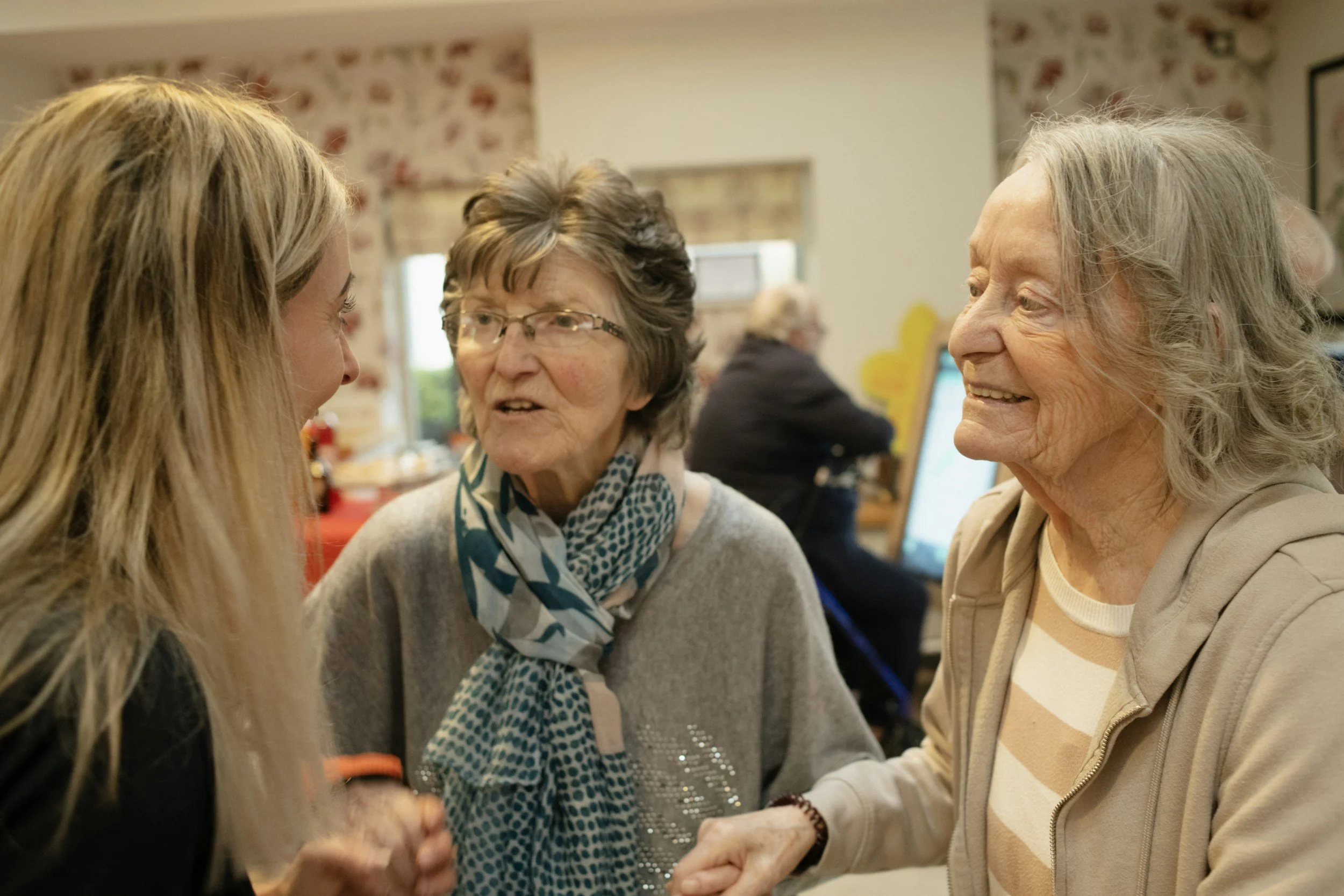
We come from women who knew that “not enough” did not always mean “impossible.” Women who could look at scraps and see a quilt, at overripe fruit and see a pie, at an empty room and imagine a home. They understood that creation rarely begins with perfection. It begins with attention. With noticing what remains. With believing that what appears small or ordinary might still become something worth keeping.
Their creativity lived in survival, but it also lived in love.
It was in the recipes they never wrote down because they carried them in their bodies. It was in the gardens they tended, the photographs they saved, the stories they repeated, and the traditions they protected. It was in the way they made people feel welcomed even when the house was messy. The way they could turn a porch, a kitchen, or a patch of backyard into the center of someone’s childhood.
They taught us that beauty does not have to be expensive to be real. It can be wildflowers in a drinking glass. A repaired toy waiting beside a child’s bed. A handwritten note tucked into a lunchbox. A photograph printed at the drugstore and placed inside a frame that has held three generations of faces.
It can be laughter during a season when there was very little to laugh about.
Some of the women who taught us are still here. We can call them, sit beside them, ask how they made that meal or survived that year. We can finally tell them that we see it now—the labor beneath the love, the ingenuity beneath the ordinary, and the strength it took to make scarcity feel safe.
Others are gone, and we find them in unexpected places.
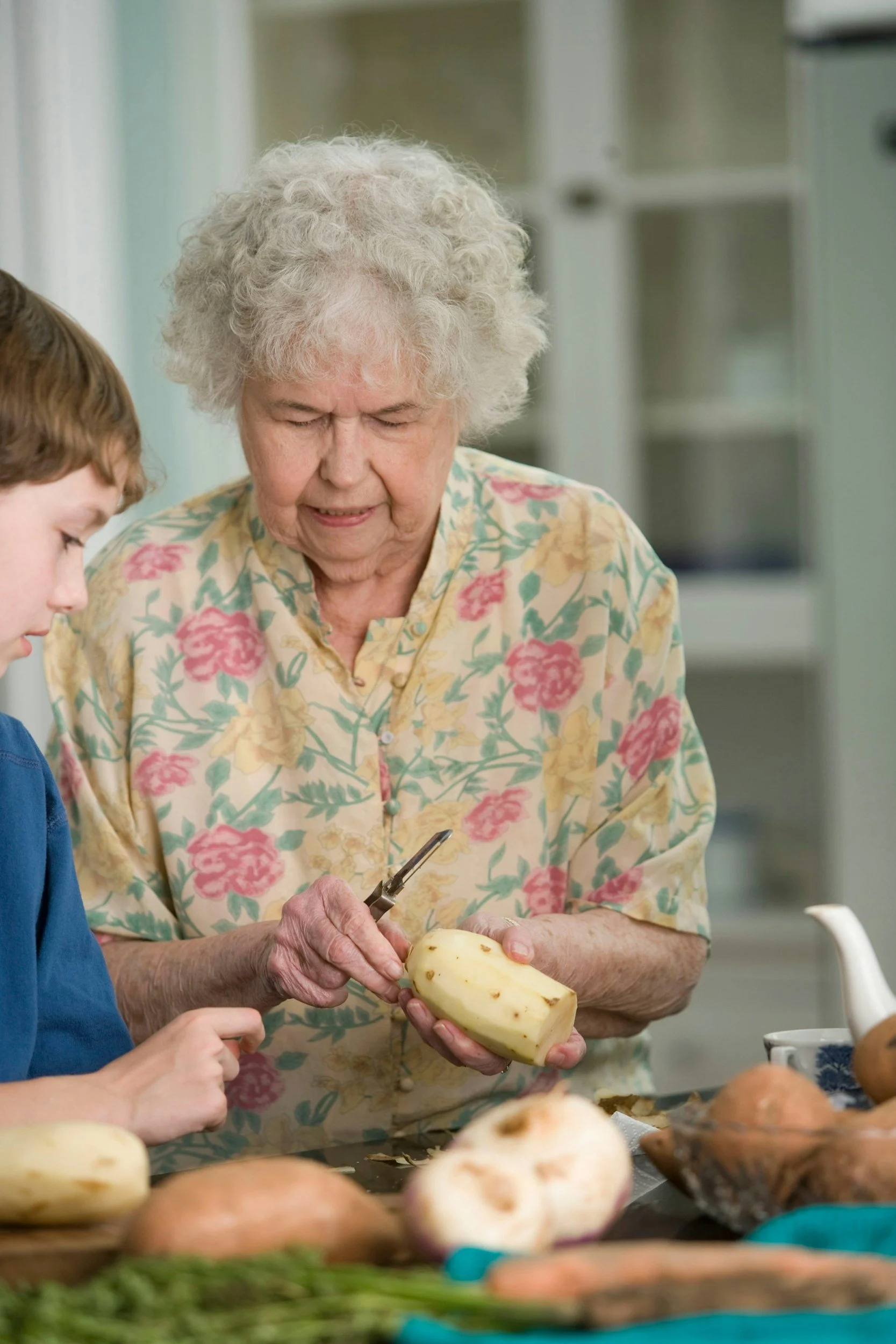
In the way our hands fold a towel. In a phrase that comes out of our mouths in her exact voice. In the smell of something cooking, the sound of an old song, or the sudden urge to save a jar because it might be useful later.
We become proof that what she made did not disappear.
But honoring these women does not mean we must inherit every burden they carried. We can treasure their resourcefulness without believing struggle is the only way to earn a meaningful life. We can admire their sacrifices while creating a future in which women do not always have to disappear into caring for everyone else.
We can keep the recipes and release the silence. We can preserve the traditions and question the expectations. We can learn from the way they survived while giving ourselves permission to do more than survive.
Perhaps that is what they were making all along—not only meals, homes, clothes, celebrations, or ways through another difficult month. Perhaps, without realizing it, they were making possibilities for us. They showed us how to begin before conditions were perfect. How to create with limited resources. How to find beauty without waiting for life to become easy. How to take what was handed to us and decide it would not be the end of the story.
We are still making something from what they left us. Their courage. Their contradictions. Their tenderness. Their unfinished dreams.
And this time, we are allowed to make something that includes us, too.