A Photo That Feels Like Their Kid with Elena S. Blair
“Oh my gosh, that's SO them.”
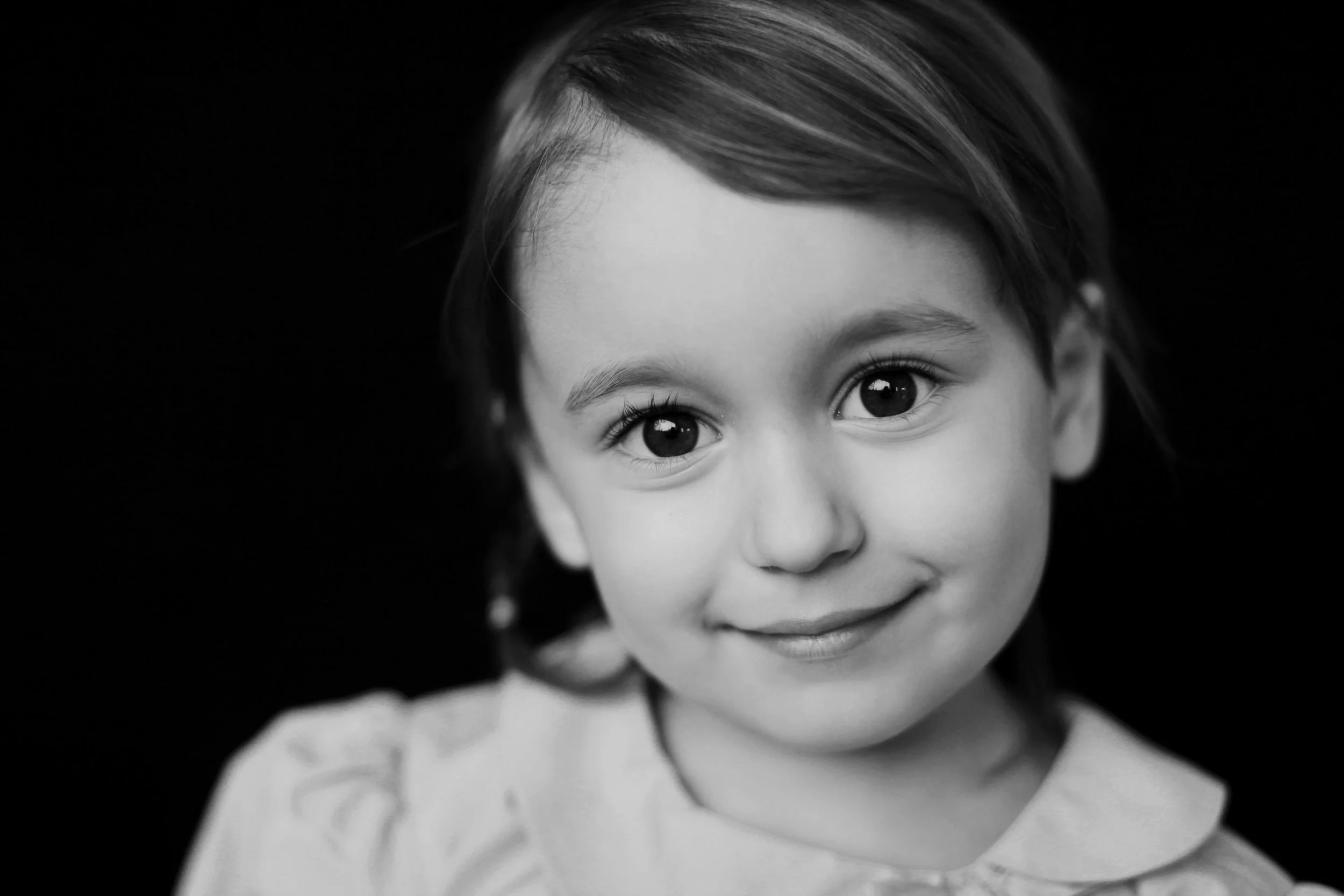
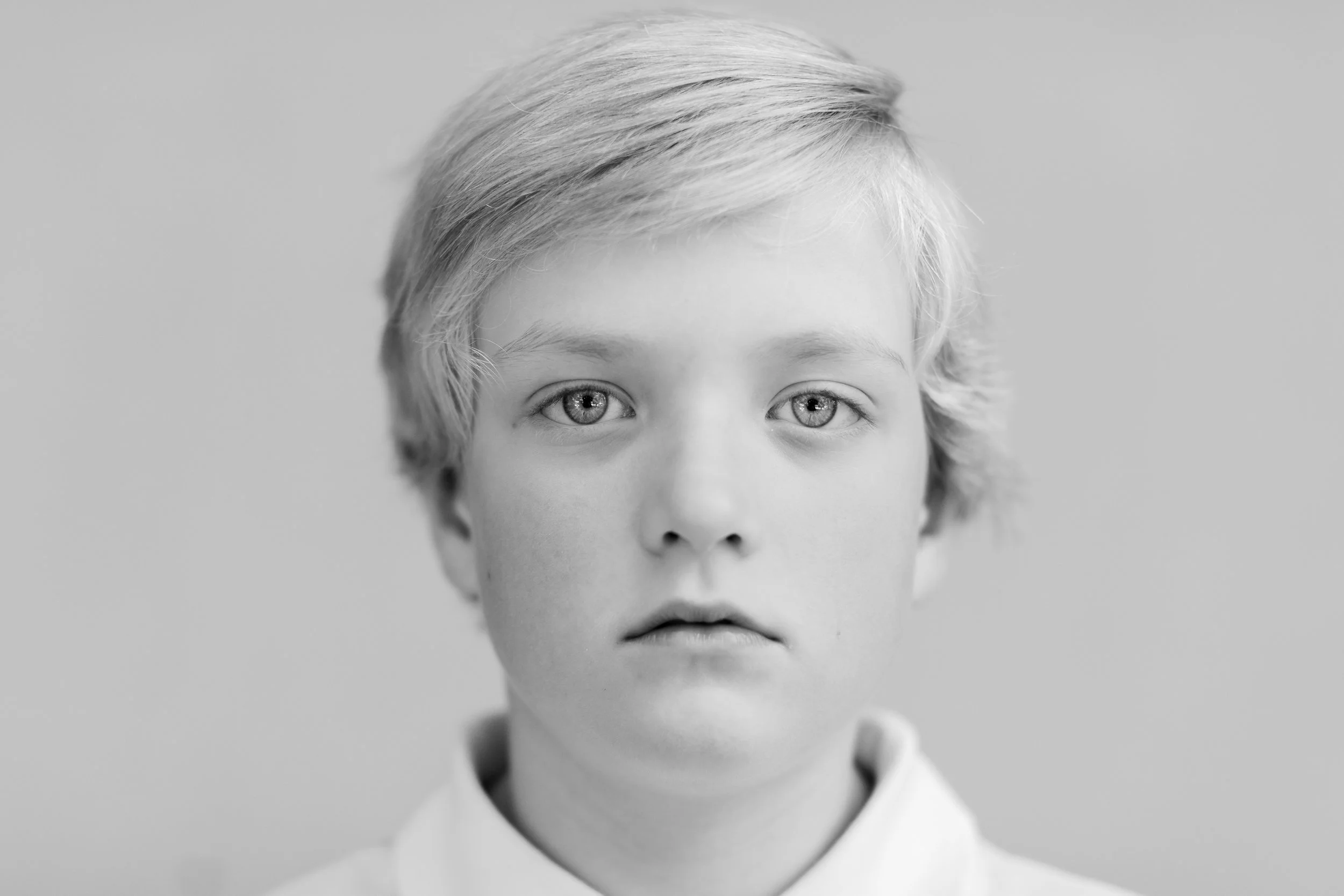
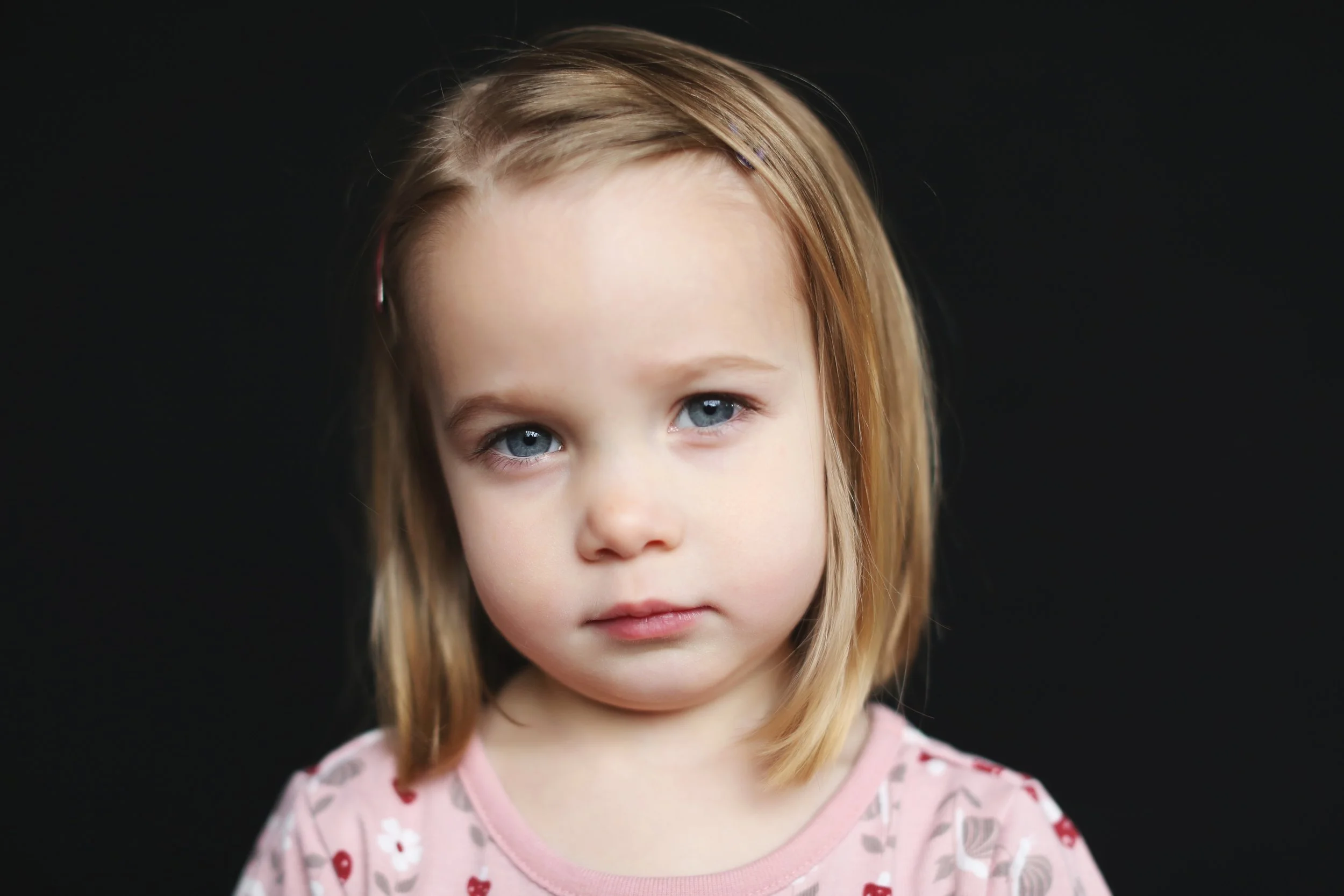
That is what Elena S Blair hopes a parent feels when they open their child’s school photographs. Recognition. The mischievous smile they know by heart. The serious expression that appears when their child is thinking. A little face that looks familiar because the photographer gave it room to be itself.
A Seattle-based lifestyle family, newborn, and fine art school photographer with over 16 years of experience, Elena has built her work around that kind of connection. Her approach asks something simple of school photography: let the child’s personality matter more than the pose.

In this interview, she shares why a smile is never a requirement, how she builds trust in a short amount of time, and what these photographs come to mean after the missing teeth and baby cheeks are gone.
Bringing a Different Approach to Picture Day
Elena’s interest in school photography grew out of the work she was already doing with families and newborns. What she loved most was photographing children without asking them to perform.
“Not perfectly posed, not performing for the camera, just being themselves,” she says. “When I started photographing schools, I realized there was an opportunity to bring that same approach to school pictures.”
She saw room for portraits that held onto the individuality of each child, even within a setting where many children needed to be photographed.
“My approach is simple. Beautiful light, a clean background, and space for kids to be themselves. I want the photographs to feel like portraits, not just school pictures.”
That simplicity gives the small expressions somewhere to land. A child does not have to compete with an elaborate setup or become someone different for the camera. Their face, and whatever they are willing to share in that moment, can be enough.
The Expressions Parents Know
When Elena talks about what she hopes families see in her photographs, she comes back to the details parents already recognize.
“The serious face, the mischievous smile, the way their child looks at them when they're thinking about something,” she says. “Those are the things that make our kids who they are.”
Her hope is that a parent looks at a portrait and sees something they have noticed across the breakfast table or in the middle of an ordinary conversation. Something particular to their child.
“And I want parents to genuinely love their school pictures,” Elena says. “Not just buy them because it's something you're supposed to do.”
There is an emotional difference between purchasing a photograph out of habit and wanting it because it feels familiar. Elena’s work makes room for that second response.
Connection Does Not Have to Take Long
School photography offers limited time with each child. For Elena, that makes paying attention especially valuable.
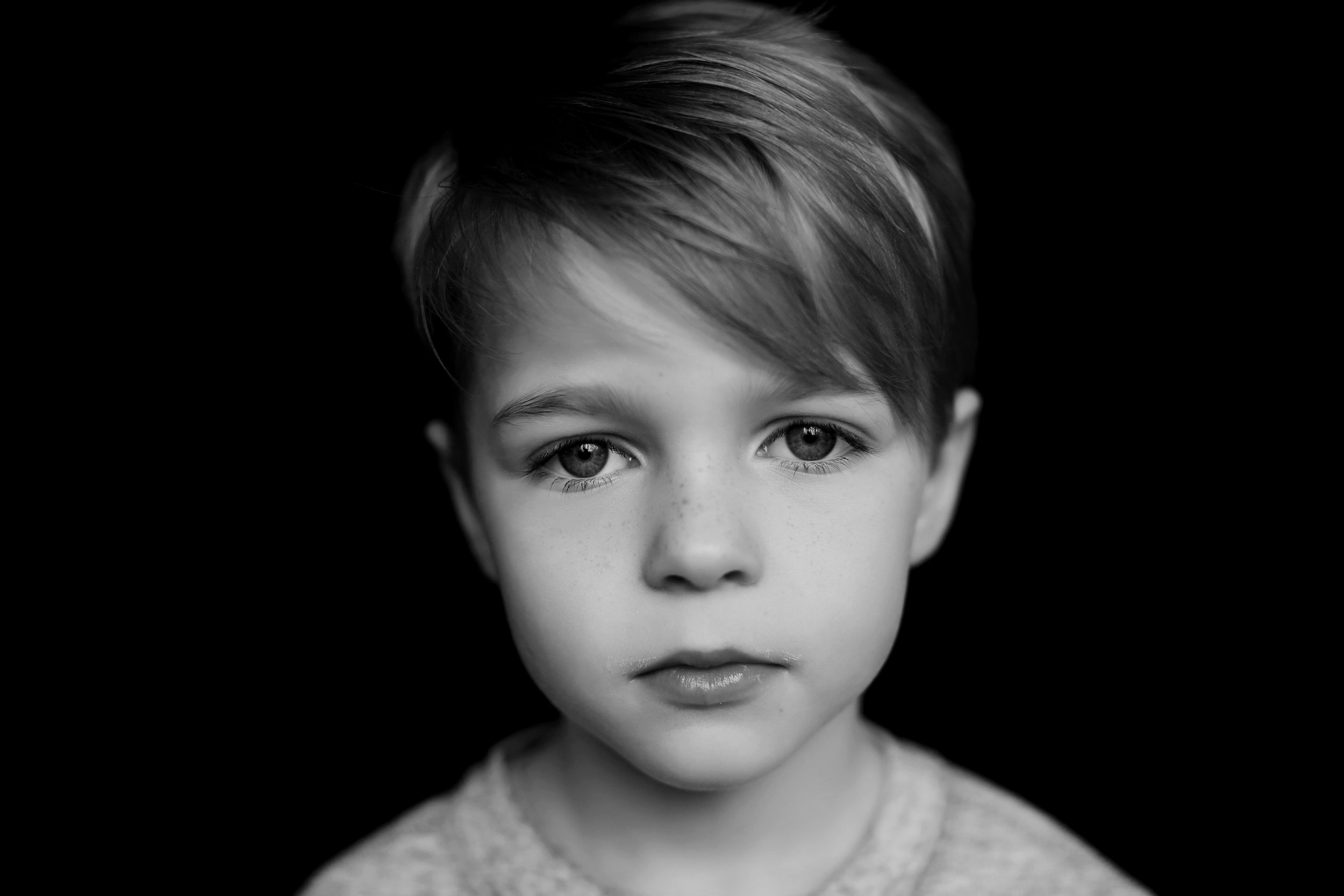
“I think people are surprised by how little time you actually need when you know how to connect with kids.”
She keeps those interactions uncomplicated. A silly question. A compliment about something they are wearing. Sometimes, a moment without any expectation at all.
“I don't make a big production out of it. I talk to them like people,” she says. “Sometimes I just give them a minute to look at me and figure out what's going on.”
After years of photographing children, she has learned to notice how differently they enter that space. Some are ready to talk. Some want to play. Others need a quieter introduction before they feel comfortable.
“Some kids want to chat, some want to be silly, and some just need you to be quiet and let them settle in.”
Her approach changes with the child in front of her. The connection begins with noticing what they need.
A Shy Child Can Stay Shy
Asked how she approaches children who are hesitant or do not feel like smiling, Elena’s answer is immediate.
“I don't force it. Ever.” She does not see a serious expression as a missed opportunity. In fact, some of her favorite school photographs are portraits of children who are not smiling.
“I think we've somehow decided that a successful school picture means a big smile, but that's just not true,” she says. “A shy child doesn't need to suddenly become outgoing for their photograph. My job is to meet them where they are.”
That belief gives children permission to arrive as themselves. They can be reserved. They can take their time. They can look at the camera without producing the expression an adult has decided belongs there.
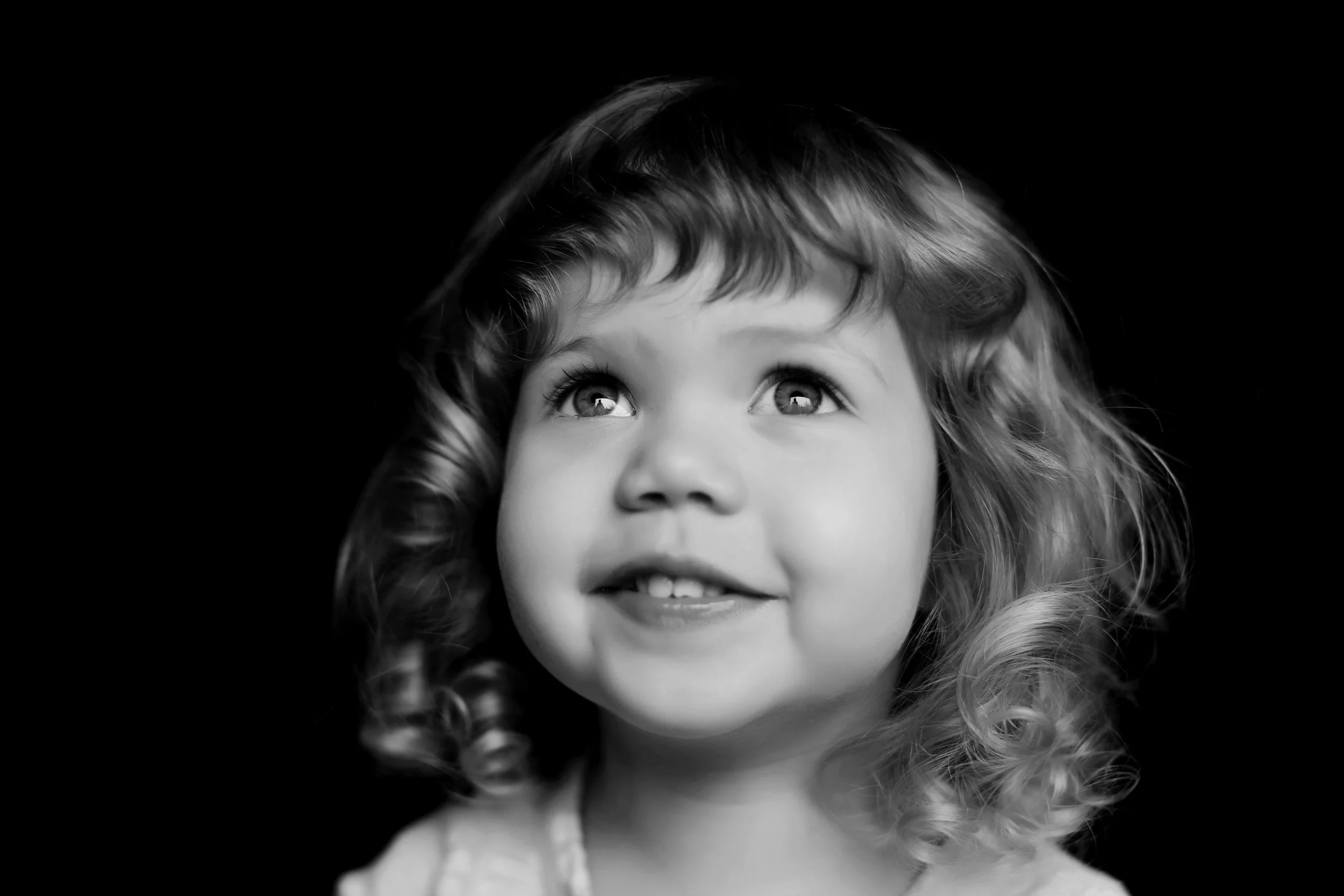
“And honestly, when you take away the pressure to smile, kids often relax on their own.” A smile may come. If it does not, Elena still sees a child worth photographing exactly as they are.
Keeping the Focus on Their Face
Elena’s visual choices follow the same philosophy as her interactions: keep things simple enough for the child to remain the focus.
“I love beautiful, soft light, clean backgrounds, and compositions that don't distract from the child,” she says. She avoids props and elaborate setups because she wants families to notice the face and expression first. Her natural, modern style also reflects how she hopes these portraits will live beyond the year they were taken.
“I want these photographs to look just as beautiful hanging on someone's wall in 20 years as they do today.” The choices are restrained, but the intention is personal. She is making photographs that families can keep looking at as the child in them grows.
When a Parent Sees Their Child
The moments that remind Elena why this work matters often happen when parents receive the photographs.
“I'll photograph a child who is really shy or who maybe doesn't give me a traditional smile, and then their parent will see the photograph and absolutely love it because it captures something so specific about their child.” An expression that might have been corrected or coaxed away becomes the reason a parent loves the image. They recognize their child in it. For Elena, those responses bring the purpose of the work into focus.
“We're documenting childhood,” she says. “And childhood goes by ridiculously fast.” There is no need to dress that feeling up. A school portrait records a face at an age a family will never get back. Its importance may become clearer long after picture day is over.
The Details They Stop Making
As a mother herself, Elena understands how the meaning of a photograph changes over time.
“I think when your kids are little, you love the pictures because they're cute. But as they get older, those photographs become something completely different.” Families begin to notice what has changed: the missing teeth, the baby cheeks, the expressions their child no longer makes. What once felt ordinary becomes something they wish they could see again.
“I have kids of my own, and I know how quickly those stages disappear,” she says. “You don't always realize you're living through a phase you're going to miss until it's already gone.” That is part of what she hopes to preserve. The details parents love now, and the ones they may only realize they miss later.
“I think that's why these portraits become more valuable with time.”
Making Room for Every Child
Elena wants schools and families to know that this approach can work within the realities of school photography. A thoughtful experience and beautiful portraits do not have to disappear when a photographer is working with many children.
“It can be a beautiful experience for kids, easy for schools, and something parents actually get excited about,” she says.
She has spent years building a school photography business around that belief. Her broader work includes photography education, speaking, business coaching, and founding Renza, software designed specifically for boutique school photographers. Across those roles, she is passionate about helping other photographers build profitable, sustainable businesses while changing the way children are photographed.
At the heart of her own work is a wish that remains personal, even as her business has grown.
“At the end of the day, I just want every child to feel seen, and every family to have a photograph that feels like their kid.”