Romance Without Nostalgia: The New Editorial Feminine
How contemporary photographers balance softness with strength
For years, romance in photography has been tethered to the past.
Muted palettes. Vintage gowns. Soft focus. The suggestion that femininity, to be beautiful, must feel borrowed from another era.
But something has shifted.
A new generation of photographers is redefining romance—not as nostalgia, but as presence. Not as fragility, but as intention. This is the new editorial feminine: soft without being small, romantic without being retrospective, tender without apology.
Softness Is No Longer Synonymous With Delicacy
Contemporary feminine work isn’t asking to be handled carefully.
Instead, it leans into softness as a choice—one that exists alongside clarity, confidence, and restraint. Linen replaces lace. Bare skin replaces costume. Natural light replaces haze.
The romance comes not from ornament, but from attention.
These images feel intimate because they’re honest, not because they’re styled to feel “old-world.”
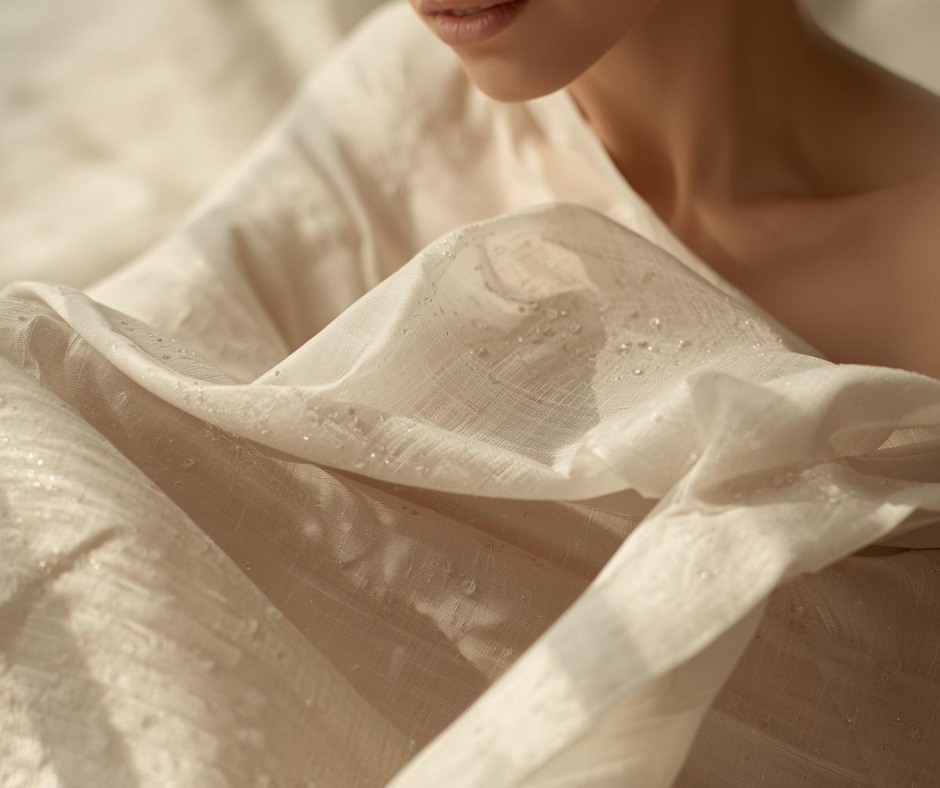
Strength Shows Up in Simplicity
What’s striking about the modern editorial feminine is how little it needs to prove.
There’s confidence in clean compositions. Authority in quiet framing. Power in restraint.
Photographers working in this space understand that strength doesn’t require contrast for contrast’s sake. It lives in decisions: when to pull back, when to let a moment unfold, when to trust stillness.
This femininity doesn’t perform. It holds.
Femininity, Untethered From Time
Nostalgia relies on memory.
The new editorial feminine relies on presence.
Rather than referencing eras, these images exist fully in the now—reflecting contemporary womanhood as layered, nuanced, and self-defined. Motherhood and ambition coexist. Softness and boundaries share space. Romance becomes less about mood and more about meaning.
It’s not about returning to something familiar.
It’s about being here.
The Camera As Witness, Not Interpreter
In this approach, the photographer isn’t shaping femininity—they’re witnessing it.
There’s less direction and more listening. Less stylization and more trust. The result is work that feels reverent without being precious, feminine without being decorative.
This kind of romance doesn’t ask viewers to long for another time.
It invites them to slow down in this one.
A Feminine That Endures
What makes this shift significant is its longevity.
Trends fade quickly. Nostalgia cycles endlessly. But presence endures.
The new editorial feminine isn’t built on what femininity used to be—it’s built on what it is. And that’s why it resonates so deeply with both creators and subjects alike.
Romance, it turns out, doesn’t need the past.
It needs permission to exist fully, honestly, and now.
Closing Thought
The most compelling feminine work today doesn’t look backward for inspiration.
It looks inward—and holds steady.
That’s where the romance lives now.