Roadside Nostalgia: Why Motels, Maps, and Vintage Cars Inspire Us
There’s something about an old motel sign glowing against the evening sky that makes us want to stop and look a little longer. Maybe it’s the faded paint, the buzzing neon, or the suggestion that countless strangers have passed beneath it on their way to somewhere else. It feels familiar, even when we’ve never been there before.
Roadside nostalgia has a way of pulling us into stories that don’t entirely belong to us. Vintage cars, folded paper maps, weathered gas stations, roadside diners, and forgotten stretches of highway remind us of a time when traveling felt slower. The destination still mattered, but so did everything that happened along the way.
Before we carried directions in our pockets, road trips required a little more trust. Maps were unfolded across dashboards, routes were highlighted by hand, and wrong turns became part of the story. There was room for uncertainty. You might stumble across a tiny restaurant, an unexpected view, or a place you never would’ve found if everything had gone according to plan.
That’s part of what makes maps so visually and emotionally compelling. They represent possibility. Every line leads somewhere, while every blank space leaves room for imagination. A map doesn’t just show us where we are. It invites us to think about where we’ve been and where we might go next.
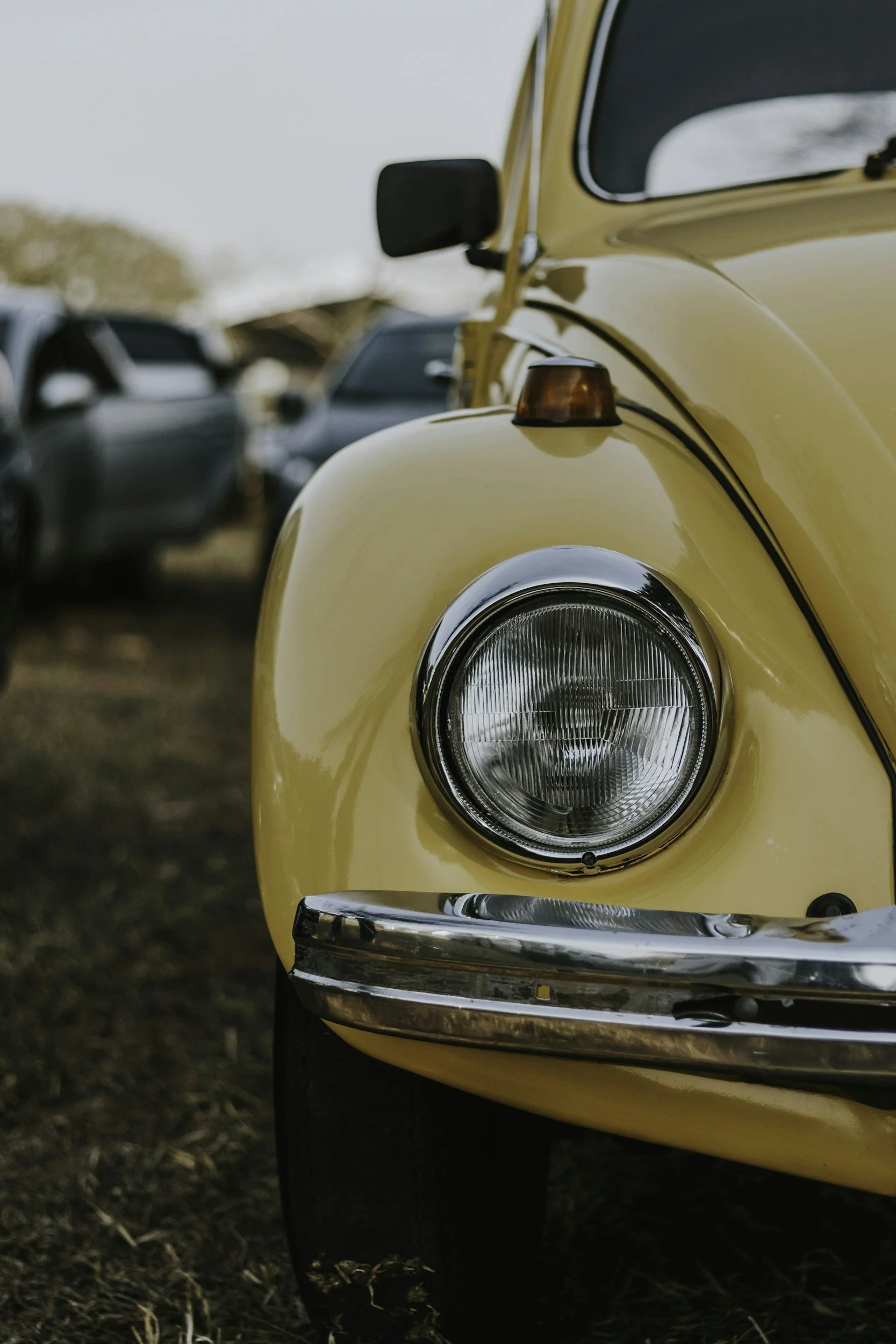
Vintage cars carry that same sense of possibility. Their worn leather seats, chrome details, and oversized steering wheels feel like pieces of another life. They make us imagine windows rolled down, music playing through the speakers, and miles of open road ahead. Even standing still, an old car seems to hold movement within it.
Motels offer a different kind of story. They’re temporary by nature, built for people who are between where they were and where they’re going. There’s something deeply human about that in-between space. We’ve all experienced seasons when we didn’t feel fully settled, when life seemed to pause between one version of ourselves and the next.
A motel room can feel lonely, hopeful, mysterious, or comforting depending on how it’s photographed. A key resting on the bed, sunlight slipping through the curtains, or a suitcase left half-packed can say more than a carefully posed scene. These small details allow viewers to imagine what happened before the photograph and what might happen after it.
Roadside imagery also reminds us that beauty doesn’t need to be polished to be meaningful. Sometimes the places with chipped paint, cracked pavement, and sun-faded signs hold more emotion than the locations designed to be picture-perfect. Their imperfections give us something real to connect with. They show evidence of time, weather, travel, and people.
That’s why this kind of nostalgia continues to inspire photographers, artists, and storytellers. It gives us a way to explore the past without recreating it exactly. We can borrow its colors, textures, and sense of freedom while still telling stories that belong to the present.
Warm sunlight, faded reds, dusty blues, deep greens, and creamy neutrals can give images the feeling of an old photograph pulled from a family album. A little grain or softened contrast can add to the mood, but nostalgia isn’t created by editing alone. It comes from the details that make a scene feel lived in.
Nostalgia isn’t always about wishing we could return to the past. Sometimes it’s about recognizing what we miss from it. We may not want to give up modern convenience, but we still long for slowness, spontaneity, and the feeling that the journey itself has value.
The open road gives us permission to step outside the routines that usually shape our days. It reminds us that we don’t always have to know exactly where we’re going. We’re allowed to follow curiosity, take the scenic route, and stop when something catches our attention.
Maybe that’s why roadside nostalgia feels so comforting. Beneath the vintage styling and faded colors is a simple reminder that life has always been made up of departures, arrivals, wrong turns, and unexpected places. We’re all moving through something, carrying pieces of where we’ve been while making our way toward whatever comes next.
Sometimes the most meaningful moments aren’t waiting at the destination. They’re found beneath a flickering motel sign, beside an old car, or somewhere along a road we hadn’t planned to take.